Did you know that a faded or unclear stamp impression can slow down your workflow and lead too costly mistakes? Reinking a self-inking stamp is a simple yet essential maintenance task that restores crisp, clear impressions, saving you time and frustration. If you rely on your stamp daily-whether for business, administration, or crafting-understanding how to reink your self-inking stamp not only prolongs its life but also ensures professional results every time. This guide breaks down the easy process into straightforward steps, helping you refresh your stamp quickly and effectively without needing special tools or skills. By the end, you’ll gain confidence in maintaining your stamp’s performance, avoiding the hassle of replacing it prematurely, and keeping your documents or projects looking sharp and polished. Let’s dive into how you can bring your self-inking stamp back to life wiht minimal effort.
Choosing the Right Ink for Self Inking Stamps
Choosing the perfect ink for your self-inking stamp can dramatically improve the quality and longevity of your impressions. Not all inks are created equal-picking the right one is essential to maintaining clear, vibrant stamp impressions without damaging your stamp mechanism. Many users make the mistake of using generic ink refills that may dry too fast, clog the internal components, or even cause smudging on paper. To avoid these pitfalls, selecting an ink specifically formulated for self-inking stamps is key.
Self-inking stamps typically require a fast-drying, smooth-flow ink that penetrates and saturates the pad evenly without being too watery or too thick. These inks are generally pigment-based or dye-based, each bringing different advantages. Pigment inks offer rich,long-lasting colors with excellent opacity,perfect for stamping on dark or glossy surfaces,while dye-based inks are vibrant and speedy to dry on most papers. It’s wise to check the manufacturer’s recommendations-using the correct ink, sometimes referred to as “stamp ink refill” or “stamp pad ink,” can extend the life of your stamp and save you from costly repairs or replacement pads.
Factors to Consider When Choosing Your ink:
- Compatibility: Ensure the ink is designed for self-inking stamps or stamp pads, as other inks may not absorb well and could damage the pad.
- Color options: While black and blue are common, specialty colors or archival-quality inks may suit certain professional needs or aesthetics.
- Drying Time: Fast-drying inks prevent smudging, especially when stamping rapidly or on slick surfaces.
- Longevity: High-quality inks resist fading, ensuring your stamps remain legible for years.
- Non-toxic and Eco-Friendly Benefits: For those environmentally conscious, water-based or soy-based inks provide a sustainable option without compromising performance.
Why using Specialized Stamp Ink Matters
Using a refill ink marketed explicitly for self-inking stamps,like Ideal Ink or premium blends available through reliable suppliers,guarantees a balanced formula suited to the internal mechanisms of your stamp.These inks are neither too thick to clog nor too thin to produce blotchy impressions. For exmaple, ideal Ink has been a trusted choice for over 25 years, offering formulations expressly designed to keep self-inking stamps fresh and functional through countless impressions[[1]](https://www.thestampmaker.com/stamp-pads-stamp-ink/stamp-ink-refills/ideal-ink.aspx?srsltid=AfmBOooGtWWB1lFraoO_pA031Pd-iIHZA_9sqR_HVh1lTNbCbSdx0KQv).
investing a little time in choosing the right ink specific to your self-inking stamp pays off with sharper, cleaner, and longer-lasting impressions. Avoid using generic or inkjet printer inks, as thay frequently enough lack the chemical composition required for optimal stamp pad absorption and can damage your stamp pad or housing, leading to costly replacements in the future. With the right ink, your stamping experience will be smoother and more professional every time.
Step-by-Step Guide to Safely Removing the Ink Pad
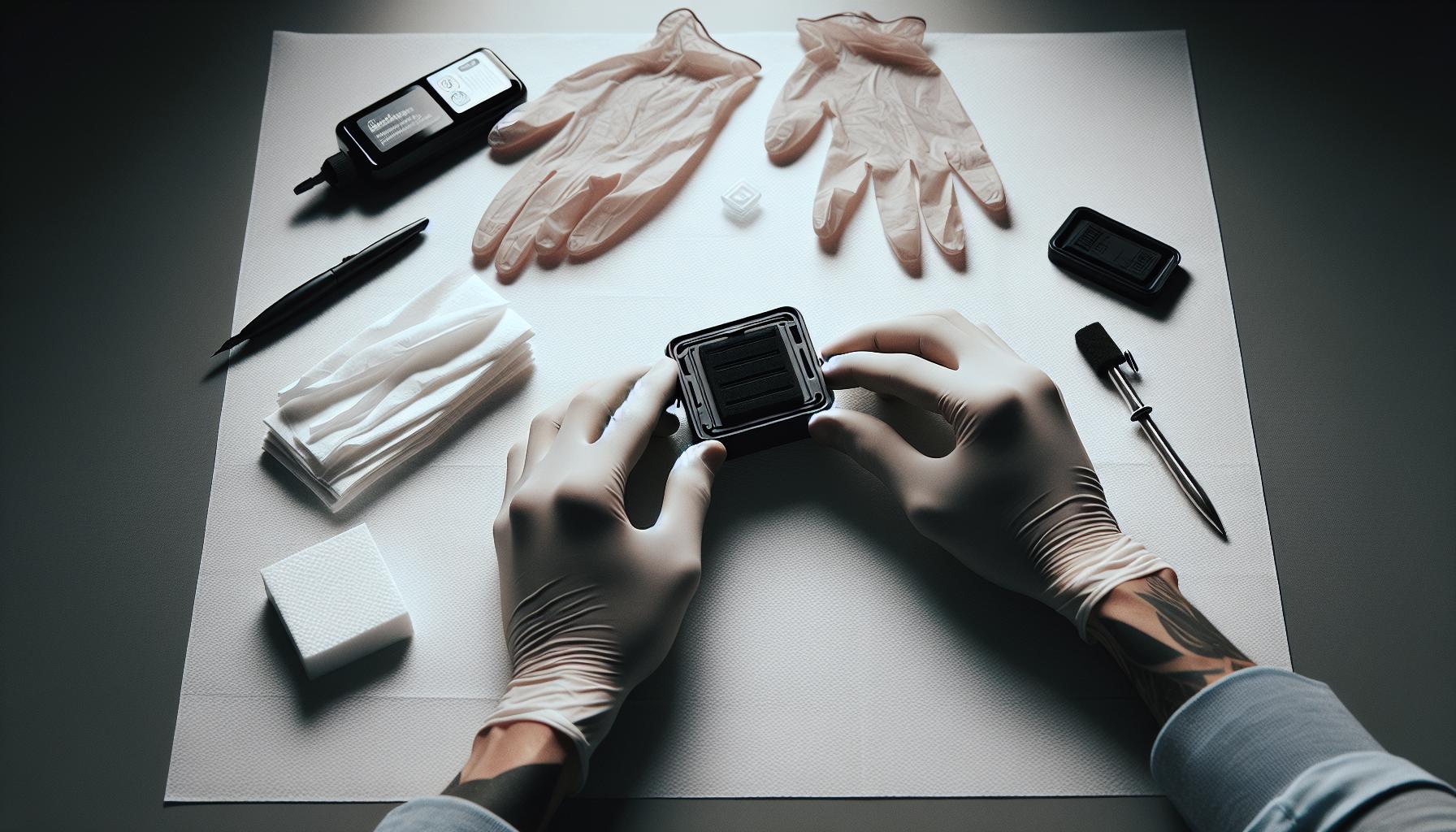
Removing the ink pad from your self-inking stamp may seem tricky at first, but with a little know-how, it’s a straightforward process that helps prolong the life of your stamp and ensures crisp, clear impressions every time. Proper removal is essential to avoid damaging the pad or the internal mechanisms. Most self-inking stamps are designed with easy-to-access ink pads, but understanding the exact steps and precautions can save you frustration and potential replacement costs.
To begin, place your stamp on a flat surface and fully press it down just enough to expose the ink pad without locking the stamping mechanism fully. Some models require you to lock the stamp in place by pressing the lever or sliding a lock switch, which keeps the stamp pad stable and easier to handle. Next, locate the small tabs or buttons on the sides or near the ink pad slot-these are usually the release mechanisms that allow the pad to slide out smoothly. Gently squeeze or press these tabs while pulling the ink pad straight out; avoid forcing it out at an angle to prevent breaking the tabs or bending the pad frame[[1]](https://tstrubberstamp.com/how-to-re-ink-and-change-ink-pads-on-self-inking-rubber-stamps/).
If your stamp doesn’t have obvious release buttons, check the manufacturer instructions or look for small indentations where you might carefully pry the pad loose. Once removed, inspect the pad for uneven wear or dryness-this is a good indication whether it needs cleaning, reinking, or outright replacement. Keeping the ink pad dry or overwet during removal is crucial; excess ink can stain your hands or work surface and cause messes.
- Lock your stamp mechanism if possible: This stabilizes the pad and prevents accidental pinching of fingers.
- Use gentle pressure on release tabs: Knowing where to apply pressure avoids damage to delicate plastic components.
- Pull the pad straight out: Angled force can warp or break the pad or its rails.
- Work over a protected surface: Ink can drip or spill, so using newspaper or a cloth can keep your workspace clean.
Remember, routine care and careful handling when removing your ink pad set the foundation for effective reinking and long-lasting stamps.Some users find it helpful to watch quick tutorial videos or consult online guides specific to their stamp brand, as subtle variations exist in how pads are secured or positioned[[2]](https://www.youtube.com/watch?v=Ghz_GgyfgKs). Taking a moment to understand your specific model ensures the removal process is safe, clean, and stress-free every time.
How to Properly Apply Ink to Your Stamp Pad
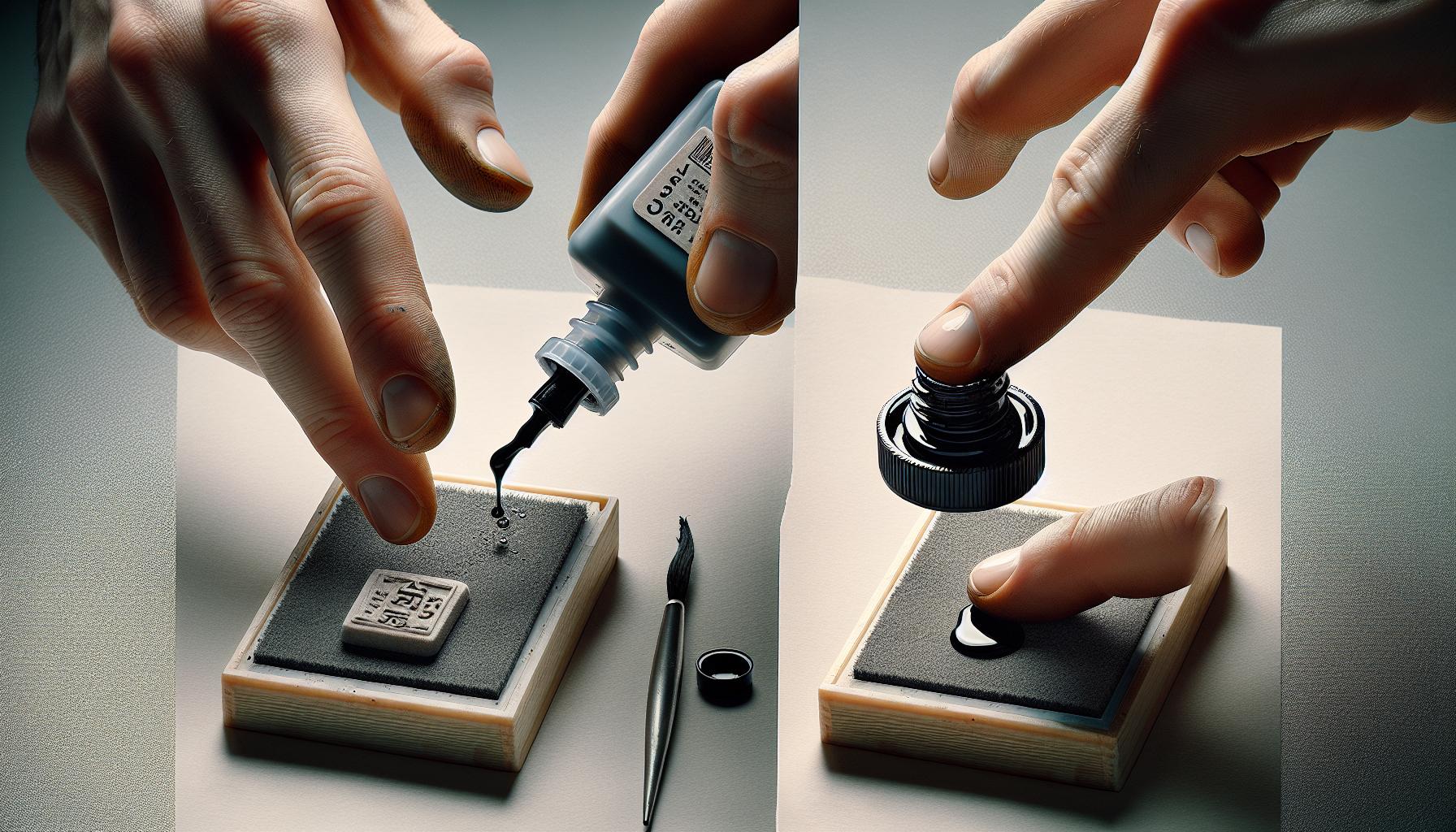
Applying ink to your self-inking stamp pad is a precise task that directly affects the quality and consistency of your stamp impressions. Unlike conventional stamp pads, the ink reservoir in a self-inking stamp is designed to distribute ink evenly, so the right submission technique ensures your stamp produces crisp, clear images without blotches or fading. A single well-applied dose of ink can revive a dry pad and dramatically extend its usability, saving both time and money.
Start by selecting the correct ink type formulated specifically for self-inking stamps-these inks are typically fast-drying and specially blended to avoid damaging the internal pad or mechanism. Before adding ink, place your stamp on a protected surface and unlock or remove the ink pad according to your model’s instructions.Gently shake the ink bottle to mix its contents evenly and then apply the ink sparingly across the entire surface of the pad. Avoid pouring ink directly into the center or saturating just one area, as uneven application leads to patchy stamp impressions.
- Use a dropper or the tip of the ink bottle: this helps control the amount of ink, preventing over-saturation.
- Apply thin layers incrementally: It’s better to add ink little by little, letting it absorb for a few minutes before deciding if more is needed.
- Allow time for absorption: Waiting 5-10 minutes post-application lets the ink soak into the pad fibers, reducing the chance of smudging.
If you’re reinking for the first time or reviving a particularly dry pad, spreading the ink using a small foam brush or a clean cotton swab can encourage more even distribution across the pad’s fibers. Keep in mind that the goal isn’t saturation, but rejuvenation-too much ink can cause smears or bleed-through on your documents. When finished, securely reinsert the pad, lock your stamp mechanism if applicable, and test it on scrap paper. if the impression still appears light,repeat the process with small incremental ink applications until you reach the desired density.
When choosing ink, also consider color quality and longevity. Such as, popular options like red and black self-inking refill inks are known for their vibrant, fast-drying formulas and long shelf-life, making them staples for offices and crafting alike[[1]](https://www.amazon.com/ink-refills-stamps/s?k=ink+refills+for+stamps). by mastering the art of subtle,controlled ink application,you ensure your self-inking stamp remains a reliable tool delivering sharp and professional results every time.
Tips to Avoid Common Reinking Mistakes

One of the most overlooked reasons for poor stamp impressions is improper reinking, which can easily be avoided with a little attention to technique and timing. Many users rush the process or apply too much ink at once, resulting in blotchy prints or ink bleeding through paper. Instead, patience and precision are your best allies to maintain sharp, consistent impressions over time.Avoid flooding the ink pad with large amounts of ink in one go. Self-inking stamps have compact reservoirs that absorb ink gradually, so applying ink in small, controlled amounts prevents over-saturation. Excess ink can cause smudging and may even damage the internal mechanism by seeping into areas not meant to be wet. A practical approach is to add ink drop-by-drop, allowing the pad to absorb it fully before deciding if more is necessary.
Another common pitfall lies in the use of incompatible inks. Self-inking stamps typically require water-based ink formulations designed to dry quickly without clogging or damaging the stamp’s internal parts. Using oil-based or pigment-heavy inks can lead to permanent damage or poor quality impressions.Always check the ink manufacturer’s recommendations to ensure compatibility. Such as, Premier Mark refill ink is preferred for many ClassiX self-inking stamps due to its safety and performance [[3]](https://www.rubberstampwarehouse.com/stamp-re-inking-instructions?srsltid=AfmBOor1tzXPqd9PK20-UfzktJEBvWFLqshNXKz0_IhyVxlD2cVBMqVV).
- Ensure the ink pad is correctly positioned: If the pad is loose or misaligned when reinserted, the stamp won’t ink evenly.
- Clean the stamping surface occasionally: Residual dried ink can build up on the rubber or polymer surface, affecting print clarity.
- Give the pad time to dry: After reinking, wait about 5-10 minutes for absorption; stamping promptly may smudge your documents.
- Store your stamp properly: Stamps left open or stored upside down can dry out quickly, necessitating more frequent reinking.
These habits are easy to integrate but dramatically improve the longevity and output quality of your self-inking stamp. For example, some users find success using a small foam brush or cotton swab to distribute ink evenly across the pad after applying drops, which prevents spots from becoming overly saturated or dry. Remember, reinking is about rejuvenation, not saturation – a little ink well applied keeps your stamp sharp and your work looking professional.
By steering clear of these typical mistakes, you not only avoid frustrating ink problems but also extend the life of both your ink pads and the stamp mechanism, saving you time and money in the long run.
How Often Should You Reink Your Self Inking Stamp?

Finding the perfect balance for when to refresh the ink in your self-inking stamp can make all the difference between crisp, professional impressions and faint, inconsistent marks. Unlike traditional stamps that rely on external ink pads, self-inking stamps hold a compact ink reservoir that gradually releases ink with every use. This means the frequency of reinking depends on both your usage volume and storage habits.
For occasional users who stamp sporadically-perhaps a few times a week-refreshing the ink every 3 to 6 months is usually sufficient to maintain vibrant impressions. However, if your workflow involves daily stamping or high-volume tasks, you may find yourself reinking every 1 to 2 months. Keep in mind the type of ink pad your stamp uses, as water-based inks, common in self-inking stamps, typically dry out faster than pigment-based ones. Environmental factors like heat and humidity also accelerate ink evaporation, so stamps stored in warmer or drier locations may demand more frequent attention.
- Look for signs of fading: When your stamp impressions start to appear patchy or pale despite consistent pressure, it’s time to reink.
- Monitor the stamping surface: If pressing firmly results in inconsistent ink coverage,the reservoir likely needs replenishment.
- Regular testing: Periodically stamp on scrap paper to check ink vibrancy before important documents-this can help you anticipate when reinking is due.
some users adopt a proactive approach by scheduling ink refreshes rather than waiting for deterioration. For example,a busy office might standardize monthly reinking to prevent any disruptions in workflow,while a home user might trust visual cues and stamp frequency to guide maintenance. Remember, over-inking isn’t beneficial; frequent small touch-ups work better than saturating the pad, which can cause smudging or internal damage.
| Usage Level | Suggested Reink Interval | Key Considerations |
|---|---|---|
| Light (few stamps/week) | 3-6 months | Proper storage crucial; check for drying |
| Moderate (daily stamping) | 1-2 months | Regular testing advised; avoid over-inking |
| Heavy (high-volume use) | Every 2-4 weeks | Proactive reinking to maintain clarity |
Ultimately, the best routine is one that matches your specific needs and stamp usage patterns. Paying close attention to the quality of each impression and maintaining proper storage conditions-storing stamps horizontally in a cool, dry place-can extend the ink life and reduce how often you need to reink. This way, your self-inking stamp stays ready to deliver sharp, reliable impressions day after day.
Troubleshooting Ink Issues and Stamp Quality Problems

ink-related issues can be surprisingly simple to fix once you understand the underlying causes.Whether your stamp leaves faint marks, uneven coverage, or smudges, most quality problems stem from a few common sources-like improper ink levels, dried-out pads, or misalignment of the stamping surface. Recognizing these early warning signs helps you restore your stamp’s performance quickly without resorting to unnecessary replacements.
Common Causes of Faded or Patchy Impressions
One of the most prevalent challenges is uneven stamping, where parts of the image appear lighter or missing. This usually indicates that the ink pad is drying out or that ink distribution within the pad is uneven. In many self-inking stamps, the ink reservoir releases ink gradually, but if the stamp hasn’t been used regularly, the pad may dry more quickly. Environmental conditions like exposure to heat or low humidity accelerate this drying process. Another factor to consider is overuse; excessive stamping without timely reinking causes the ink to run low, leading to faded outlines or incomplete prints.
dealing with Smudges and Blurred Marks
If your impressions look smudged or blurred, it’s often a sign of over-inking or stamping on unsuitable surfaces. Applying too much ink, especially with liquid refill bottles, can saturate the pad and cause the ink to bleed beyond the edges of your design.It’s recommended to add ink sparingly, allowing time for the pad to absorb the liquid fully before stamping. Additionally, stamping on glossy, textured, or uneven paper types can cause ink pooling or feathering, so always test on scrap before pressing onto important documents.
Steps to Restore Crisp, Clear Impressions
- Test the stamp: Regularly stamp on scrap paper to assess ink coverage before critical use.
- Reink thoughtfully: Use the correct refill ink for your stamp brand and add small increments to the pad, avoiding saturation.
- Clean the stamp surface: Occasionally wipe the rubber or polymer die with a damp cloth to remove dried ink buildup that can impact clarity.
- Check pad alignment: Make sure the ink pad is properly seated inside the self-inking mechanism; misalignment causes uneven impressions.
When Ink Issues Persist Despite Care
for recurring problems, such as persistent patchiness after reinking, the ink pad may be worn out and require replacement. Many brands offer replacement pads compatible with their self-inking stamps, which can significantly improve print quality without purchasing a new stamp. if your stamp consistently underperforms,consider evaluating whether you have the right type of ink-water-based inks dry faster but require more frequent reinking,while pigment-based inks offer richer color and longer-lasting results but may need pads designed specifically for them.
Maintaining awareness of these factors and incorporating routine checks ensures your self-inking stamp consistently delivers professional, clean impressions.With the right techniques and timely attention, small ink issues become easy to troubleshoot rather than frustrating setbacks, keeping your stamping crisp and reliable every time.
For additional support, you can find specialized ink refills and replacement pads tailored for various stamp brands, making upkeep straightforward and effective [[1]](https://www.rubberstamps.com/collections/refill-ink?srsltid=AfmBOorVeGGyiHZUeJ25uUeTwpM96x7rDX_n7z8Vq-VJgZ-eVnP3KJ1t) [[2]](https://www.rubberstampchamp.com/category/replacement-pads-for-self-inking-stamps-ideal-trodat-shiny-cosco?srsltid=AfmBOor4QE6BjYvUOwpxK5taC9PHNqMRaY5tqX_ETK2P0u25nazCS_Yx).
Maintaining Your Self Inking Stamp for long-Term Use
Few office tools are as quietly indispensable as the self-inking stamp,yet many users overlook the simple habits that extend its lifespan and maintain peak performance. Treating your stamp with consistent care not only preserves its crisp impressions but also saves money and time or else spent on replacements. Understanding how to nurture this everyday essential is key-small preventive steps can make a big difference over months and years of use.
A core practice involves regular but gentle cleaning of your stamp’s surface to avoid ink buildup and debris accumulation. A soft brush or lint-free cloth can safely remove dried ink and paper fibers that settle on the rubber or polymer die, ensuring every impression stays sharp and detailed. It’s equally important to periodically inspect the ink pad’s positioning within the mechanism. Even slight misalignments can cause uneven stamping or partial prints, so reseating the pad whenever you notice quality falls off will keep the results consistent.
- Control the environment: Storing your stamp in a cool, dry place, away from direct sunlight or heat sources, prevents premature drying or degradation of the ink pad’s moisture.
- Use quality ink refills: Always replenish with ink recommended by the stamp manufacturer to avoid damaging the pad or color inconsistencies; using the wrong type-such as fiber-reactive versus pigment-based inks-can reduce pad longevity and ink adherence.
- Limit over-inking: Excessive ink application can oversaturate the pad, causing smudges and possibly leaking into the mechanism, which may impair stamping smoothness.
- Operate with care: Avoid hammering or applying uneven pressure; rather, press straight and firmly to distribute ink evenly across the impression surface.
Tip: Regular Usage Encourages Longevity
Frequently using your self-inking stamp not only keeps the ink pad moist but also prevents mechanical parts from stiffening. If you find yourself infrequently stamping, performing a “test stamp” on scrap paper every few days helps maintain ink flow and operational smoothness.
By embracing these straightforward habits, your self-inking stamp remains a dependable workhorse, delivering clear, professional marks well beyond its expected service life. Longevity is a blend of proper storage, appropriate ink choice, mindful maintenance, and occasional adjustments-factors that collectively safeguard the precision and cleanliness your stamps are valued for.For an amplified effect, pairing routine cleaning with timely reinking and pad replacement is the best strategy for hassle-free, long-term use [[1]](https://www.notaryrotary.com/archive/forum/2013/April/any_ideas_on_cleaning_the_rubber_stamp_.html) [[2]](https://engineersealstamps.com/blogs/info/reviving-your-mark-effective-office-stamp-maintenance-techniques?srsltid=AfmBOoquoEHiuS28Ee3op36W767iCrPopuXbjhmH0qWn_6ucWUjyodFP).
Eco-Friendly Ink options and Their Benefits
Sustainability has become a priority across every aspect of office life, and choosing the right ink for your self-inking stamp offers a simple yet impactful way to reduce environmental footprint without sacrificing quality.Eco-friendly inks are formulated with natural or biodegradable ingredients, minimizing harmful chemical emissions and reducing waste toxicity.This shift not only benefits the planet but also creates a safer workspace by limiting exposure to volatile organic compounds (VOCs) commonly found in conventional inks.
Many eco-conscious stamp users appreciate water-based inks, which are widely regarded as less toxic and easier to clean up compared to solvent-based counterparts. These inks maintain excellent vibrancy and drying times but break down more readily after disposal, making them a preferred choice for offices seeking greener alternatives. additionally,some brands now offer soy-based or vegetable-based inks that harness renewable resources,further curtailing dependency on petroleum derivatives. These biobased solutions typically offer good adhesion and resist fading, ensuring your stamp impressions remain sharp and durable over time.
- Low toxicity: Eco-friendly inks avoid harsh chemicals, reducing health risks for frequent users and lowering environmental impact.
- Compatibility: Many green inks are designed specifically for self-inking pads,allowing seamless reinking without degrading stamp components.
- vibrant colors: Advances in formulation mean eco-friendly inks come in rich blacks, blues, reds, and greens, providing professional results comparable to traditional inks.
- Reduced waste: Biodegradable formulas help minimize landfill accumulation and waterway contamination when ink pads or stamps are discarded.
How to Transition to Eco-Friendly Ink in Your Self-Inking Stamps
Switching to environmentally responsible inks is straightforward but requires attention to product compatibility. Before purchasing, check if the ink manufacturer explicitly states suitability for self-inking stamps, as pad materials differ and noncompatible inks may cause drying or clogging. It’s also wise to start with a small amount to test color intensity and drying time on your specific stamp model. For example, many office supplies stores and reputable online vendors offer eco-friendly ink refills in typical colors such as black, which is frequently enough a staple for everyday stamping.
Incorporating sustainable ink choices aligns well with broader corporate duty goals while still achieving crisp and reliable stamp impressions. Taking this step not only supports environmental well-being but signals a commitment to mindful office practices-something increasingly valued by clients, partners, and employees alike. With thoughtful selection and routine maintenance, your self-inking stamp can be both an efficient tool and a small but meaningful contributor to a greener office ecosystem.
Quick Fixes for Dry or Faded Stamp Impressions
Sometimes, a self-inking stamp might suddenly produce lighter or patchy impressions, even after proper reinking. This issue often stems from uneven ink distribution or a partially dried-out ink pad.Before rushing to replace the pad or buying new ink, a few quick remedies can bring your stamp back to sharpness without hassle.
start by gently pressing the stamp several times onto a clean scrap piece of paper. This simple action can help redistribute the ink across the pad evenly, resolving minor dryness or inconsistency. If impressions remain faded, adding a few drops of the correct refill ink directly to the center of the ink pad usually revitalizes its saturation. Be cautious not to oversaturate; too much ink may cause smudging or bleeding. Allow a few minutes for the ink to soak in, then test the stamp again for improved clarity.
Another common culprit behind weak stamp images is dirt or dried ink residue building up on the stamp surface or within the mechanism. Regularly cleaning your stamp with a damp cloth or mild soap solution can prevent this buildup and maintain optimal ink transfer. In some cases, gently lifting the ink pad to air it out for five to ten minutes can help reactive the pigments and moisture without needing a full reink.
- Press several times on scrap paper to redistribute ink evenly.
- Add a few drops of refill ink carefully to revitalize the pad without oversaturation.
- Clean the stamping surface regularly to avoid residue-related fading.
- Air out the ink pad briefly to rehydrate dried areas naturally.
These straightforward fixes save both time and money, extending your stamp’s life while ensuring that every impression remains crisp and professional. Regular attention to your self-inking stamp’s condition prevents unexpected fading and keeps your workflow smooth and reliable.
How to Store Your Stamp to Preserve Ink Longevity
Keeping your self-inking stamp in optimal condition goes beyond regular reinking – proper storage plays a crucial role in preserving the ink’s longevity and ensuring consistent stamp quality over time. Interestingly,many users overlook how environmental factors such as temperature,humidity,and exposure to air can accelerate ink drying and degrade pad performance. Storing your stamp correctly helps maintain the moisture balance and prevents premature drying or ink clumping, ultimately extending the life of both the ink and the stamp mechanism.
One of the most effective ways to preserve ink is to always store your stamp in a clean, dry place away from direct sunlight. Excessive heat or shining light not only dries out the ink pad faster but can also warp plastic components, causing misalignment and uneven stamping. Ideally, keep your stamp in a drawer or a closed container where air circulation is minimal but not stifling. If your workspace tends to be warm or dry, a small airtight box or ziplock bag can definitely help maintain humidity around the stamp, slowing evaporation and protecting the ink saturation.
Simple Habits for Long-Term Ink Preservation
- Keep the stamp pressed down on a non-inked surface when not in use. This locks the ink pad against the stamp plate, minimizing exposure to air.
- Store vertically or flat with the stamp face down, depending on the manufacturer’s recommendation, to prevent ink pooling or uneven distribution within the pad.
- Avoid storing stamps near chemicals or solvents that can damage rubber, foam, or plastic components.
- Regularly inspect the stamp before storage for leftover ink residue or dirt that could dry and cause clogs.
By integrating these habits into your routine, you reduce the need for frequent reinking and the risk of degraded impressions due to dried-out ink or pad damage.
Example: impact of Storage on Ink Longevity
| Storage Condition | Ink Longevity | Stamp Performance |
|---|---|---|
| Room temp, away from sunlight, sealed container | up to 6-12 months without reinking | Consistent, clear impressions |
| Exposed to direct sunlight, warm area | Less than 3 months | Faded, uneven impressions; frequent reinking needed |
| Stored open with ink pad exposed | 1-2 months | Patchy impressions; ink drying and cracking common |
Understanding these differences demonstrates that a little extra care in storage directly translates into better stamp performance and cost savings over time.
Incorporating storage best practices not only preserves your self-inking stamp’s ink but also supports smoother stamping operations. When combined with regular cleaning and proper reinking techniques, good storage habits become an indispensable part of maintaining your stamp’s professional quality and longevity.
Frequently asked questions
FAQ Section: How to Reink a Self Inking Stamp: Easy Process
Q: Can I use different types of ink to reink my self-inking stamp?
A: It’s best to use ink specifically designed for self-inking stamps to avoid damage and ensure vibrant impressions. Water-based or pigment-based refill inks work well; avoid permanent or solvent inks unless specified by the manufacturer. Check our section on choosing the right ink for safe options.
Q: How long does it take for the ink to dry after reinking a self-inking stamp?
A: Ink drying time typically ranges from 15 seconds to a few minutes, depending on the ink type and paper used. Water-based inks dry faster, while pigment inks may take longer. Wait a short time before stamping to prevent smudging, as covered under tips to avoid common reinking mistakes.
Q: Why is my self-inking stamp still faint after reinking?
A: A faint impression after reinking usually means the ink pad isn’t properly saturated or the stamp needs cleaning. Ensure the pad is fully soaked and remove any dried ink residue from the stamp die for better results. Troubleshoot ink issues by following our troubleshooting ink issues and stamp quality problems guide.
Q: How can I tell when it’s time to reink my self-inking stamp?
A: When stamp impressions become lighter or inconsistent, it’s time to reink. Regular use gradually depletes the ink, so monitor your stamp’s print quality and check every few months. For more details on timing, see how frequently enough should you reink your self inking stamp?
Q: Is it necessary to clean the ink pad before reinking a self-inking stamp?
A: Cleaning the ink pad before reinking helps prevent color contamination and improves ink absorption. Gently wipe the pad with a lint-free cloth if it’s dusty, but avoid harsh cleaning agents.Refer to step-by-step guide to safely removing the ink pad for safe handling techniques.
Q: Can I replace the ink cartridge in a self-inking stamp rather of reinking?
A: Yes, many self-inking stamps offer replaceable ink cartridges as an alternative to refilling. This option can be cleaner and more convenient,especially if your stamp uses proprietary cartridges. See our main article section on maintaining your self-inking stamp for insights on cartridge replacement.
Q: What precautions should I take when applying refill ink to avoid damaging my self-inking stamp?
A: Apply ink drops gently and avoid over-saturating the pad to prevent leaks and damage. Use recommended refill ink and wear gloves to protect your hands. Following our tips to avoid common reinking mistakes ensures a smooth process and protects your stamp’s longevity.
Q: Can environmental factors affect the ink quality in a self-inking stamp?
A: Yes, heat, humidity, and exposure to air can cause ink to dry out or lose vibrancy faster. Store stamps in a cool, dry place as explained in how to store your stamp to preserve ink longevity to maintain ink quality longer and reduce frequent reinking.
For more detailed guidance, explore our comprehensive sections on reinking and maintenance to keep your self-inking stamps performing their best.
Closing Remarks
Now that you’ve mastered the easy process of how to reink a self-inking stamp, you can extend the life of your stamp and maintain sharp, clear impressions every time. Don’t let a faded stamp slow you down-refreshing the ink cartridge is a quick, cost-effective solution that keeps your workflow smooth and professional. If you’re ready to take your stamping tasks further, explore our detailed guide on choosing the best ink pads for various stamp types or learn how to clean your stamp for optimal performance.
For more helpful tips and expert advice on maintaining your office tools, check out our related articles on stamp care and ink refilling techniques. don’t forget to sign up for our newsletter to receive the latest updates, exclusive tutorials, and special offers directly to your inbox. Have questions or tips to share about self-inking stamp care? Leave a comment below-we’d love to here from you and help you get the most out of your stamping needs!