

Did you know that not all jewelry stamped “18K” is actually pure 18-karat gold? With counterfeit gold items on teh rise, recognizing a fake 18K gold stamp is essential for protecting your investment adn ensuring you get what you pay for. Whether you’re buying vintage pieces, gifts, or fine jewelry, knowing how to spot authentic 18K gold markings can save you from costly mistakes and disappointment. This guide breaks down expert tips and practical methods to help you confidently identify genuine 18K gold, decode hallmark details, and avoid common scams. By understanding these key indicators, you’ll enhance your buying experience and guard your collection against fraud. Keep reading to uncover the trusted techniques jewelers and experts use to verify 18K gold authenticity-arming you with the knowledge to shop smarter and shop safer.
Understanding the 18K Gold Stamp and Its Importance
Gold jewelry stamped with “18K” signals a specific standard of purity-meaning the item contains 75% pure gold mixed with other metals to enhance durability and color. This mark offers a fast reference for buyers and sellers alike, but its true value goes beyond mere labeling. Understanding what the 18K gold stamp represents helps you recognize genuine pieces from fakes, ensuring you invest in jewelry that holds both aesthetic and monetary worth. In fact, the presence of this stamp can affect everything from resale value to hypoallergenic qualities, making it essential knowledge for anyone purchasing or owning gold jewelry.
However,the stamp is not just a number; it is a seal of authenticity tied to industry standards and regulated practices. Authentic 18K gold pieces typically bear consistent, clear markings applied by reputable manufacturers, often accompanied by hallmark symbols denoting the maker or country.These details reassure buyers that the jewelry adheres to expected purity levels and craftsmanship. Conversely, counterfeit items may imitate the stamp but fail to meet the genuine alloy composition, leading to disappointment and financial loss.
Being able to interpret and trust the 18K stamp means you must also be aware of its limitations. As an example,some unscrupulous sellers may use counterfeit stamps or misrepresent lower-karat gold as 18K to deceive customers. Therefore, the stamp should be your first checkpoint-not the only one-in verifying authenticity. Practical advice includes inspecting the stamp clarity, its placement on the jewelry, and considering supplementary tests such as acid or magnet testing to confirm purity.
- Why the 18K Stamp Matters: It guarantees a minimum standard of gold content, making your purchase reliable and valuable.
- What It Tells You: The composition percentage, regulatory verification, and sometimes the place of manufacture.
- Limitations: The stamp alone isn’t foolproof-know the signs of common forgery and always corroborate with physical or technological tests.
For collectors or first-time buyers, understanding the nuanced importance of the 18K stamp ensures smarter purchasing decisions and safeguards against common pitfalls. It empowers you with the confidence to distinguish genuine craftsmanship,making your jewelry investment worthwhile and secure.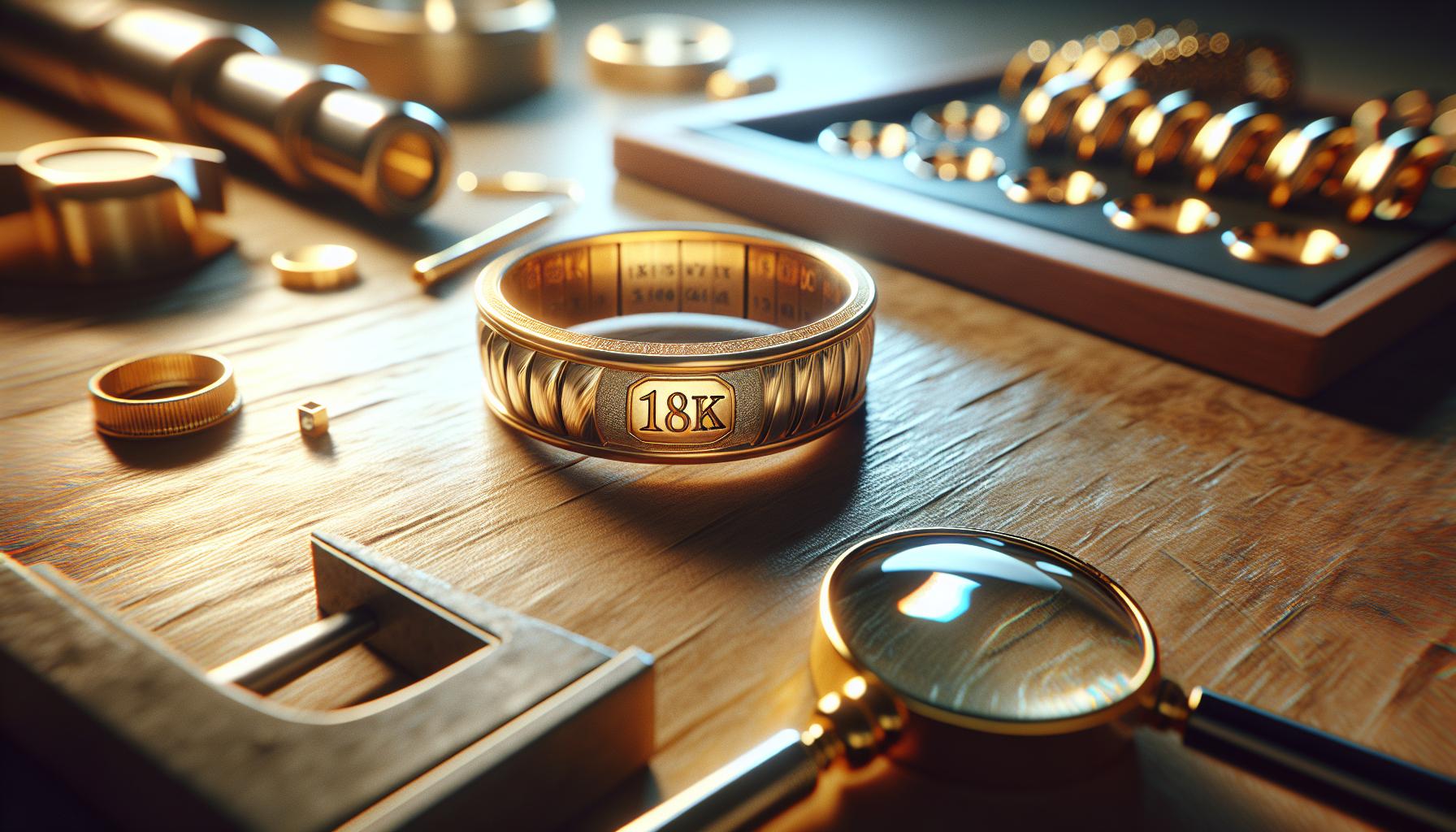
Common Fake 18K Gold Stamp Variations to Avoid
Gold buyers often encounter a confusing array of 18K stamps that, at first glance, appear legitimate but are cleverly disguised imitations. These counterfeit markings can not only deceive inexperienced buyers but also cause critically important financial and emotional disappointment. Fake 18K gold stamps commonly involve subtle variations that exploit how people read and trust these marks, making it critical to familiarize yourself with their characteristics to avoid being duped.
One frequent tactic involves stamps that mimic the official “18K” mark but use alternative letters or numbers that seem authentic. As a notable example, you might encounter “18KT,” “18CT,” or even “18KY,” which are not standard purity marks but can fool casual observers. Another variation is the use of “18K GP” or “18K GF,” where ”GP” stands for gold-plated and “GF” for gold-filled.These indicate only a thin layer of gold on a base metal rather than solid 18K gold and thus hold much less value. The presence of such suffixes, often in smaller or faint lettering near the main stamp, is a telltale sign of a fake or lower-quality piece.
In some cases, unscrupulous sellers apply counterfeit stamps on jewelry made from less precious metals like brass or copper to simulate 18K gold, hoping buyers will rely solely on the mark. These false stamps may appear blurred,off-center,or inconsistently sized compared to genuine manufacturer’s marks. For example, inconsistent font styles or spacing between characters can indicate tampering. Moreover, some fake gold items carry confusing hallmarks such as “14KP” or “Plum Gold” (a low-purity alloy common in some regions), which might be misread as 18K by an untrained eye, but are anything but 18K in purity [[1]](https://www.instagram.com/reel/DPZbuaojtCS/).
How to Recognize common Fake 18K Variations
- Misleading Suffixes: Look carefully for “GP,” “GF,” “HGE” (heavy gold electroplate), or “KP” markings, which denote gold plating or filling, not solid 18K gold.
- Font and Clarity Inconsistencies: Genuine stamps are typically crisp, uniform, and well placed. Blurry,uneven,or awkwardly spaced stamps often signal forgery.
- Non-Standard Stamps: Beware of uncommon terms or numbers like “750” stamped incorrectly or without accompanying hallmarking-750 is a purity number for 18K gold but can be misused.
- Disguised Lower Karat Numbers: Some fake items display 18K but are actually 14K or 10K underneath, sometimes intentional or accidental stamping errors.
Awareness of these variations is crucial as counterfeit gold is prevalent enough to warrant caution. One striking example circulating online showed a gold chain stamped “18K” but failed acid testing, revealing the item was worthless metal beneath the facade [[2]](https://www.facebook.com/uniladmag/videos/testing-gold-to-see-if-its-fake/924105095414493/). Similarly, reports of sellers refusing to correspond after selling fake 18K hallmark jewelry have increased, emphasizing the importance of initial vigilance [[3]](https://www.reddit.com/r/jewelry/comments/xdeocr/18k_fake_jewelry/).
By staying alert to these common fake 18K gold stamp variations and combining them with practical verification methods, you can safeguard your investment and avoid common scams. Remember, the stamp is an vital clue-to be trusted only when it aligns with other authentication checks and seller credentials.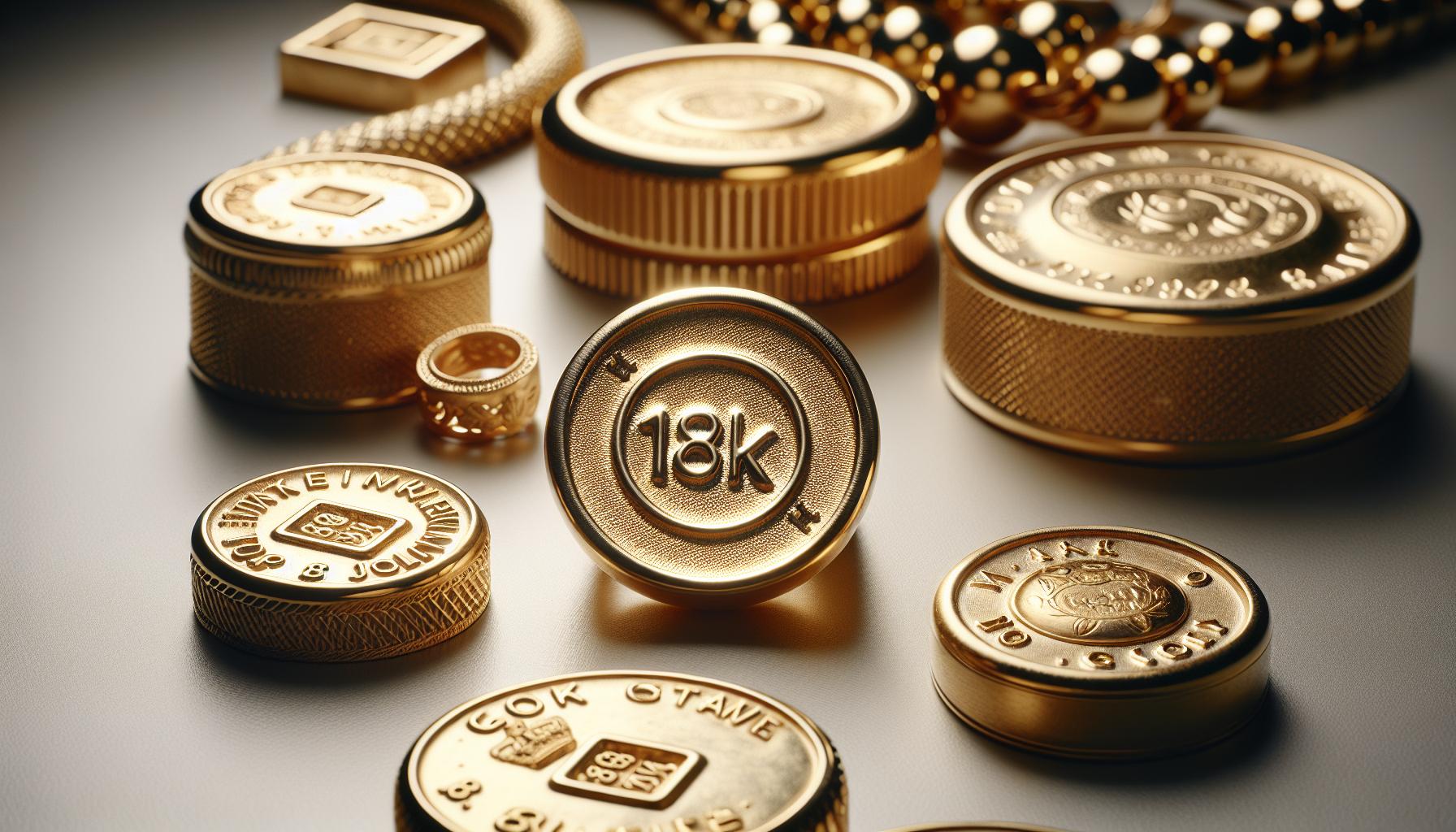
Physical Tests to Verify Genuine 18K Gold
A quick, hands-on approach often reveals more about 18K gold’s authenticity than just relying on stamps or seller claims. One compelling fact is that 18K gold, being 75% pure gold alloyed with other metals, exhibits specific physical properties that counterfeiters can’t easily replicate. by performing simple tests at home or in-store, you can gain confidence in your purchase without expensive equipment.
A classic yet effective method is the magnet test. Since gold is not magnetic, if your piece strongly attracts a magnet, it’s likely not solid 18K gold. However, this test has limitations because some non-magnetic base metals can mimic gold’s weight and appearance. Thus, the magnet test serves best as an initial filter rather than a conclusive test.
Another widely trusted method is the acid test, which provides direct chemical evidence of purity. Specialized 18K gold testing acids react differently when applied to real gold versus base metals or plated items. For example, dropping a small amount of the 18K-specific testing acid on a discreet scratch or a testing stone mark will cause genuine 18K gold to show slight or no reaction, whereas fakes may change color or dissolve. Testing kits are available for users ranging from jewelers to hobbyists and include color-coded acid solutions for diffrent karat levels, ensuring precise karat verification[1].Weight and density are subtle yet critically important clues. 18K gold has a density of approximately 15.6 g/cm³, noticeably heavier than many base metals commonly used in fake jewelry. You can compare the heft of similar-sized items – for instance, if a piece feels lighter than expected for its size, it might be a plated or hollow substitute. Using a precise scale and water displacement methods can help determine density more accurately for critical assessments.
- Scratch Test: gently scratching the item on a testing stone reveals an unaltered gold streak for genuine pieces, while plated fakes may show a different underlying color.
- visual Inspection: Look for discoloration or flaking. True 18K gold maintains its color over time, while plated items may reveal base metals underneath worn areas.
- Sound Test: When gently tapped, solid gold creates a dense, muted sound compared to hollow or plated pieces, which tend to sound lighter and more hollow.
Together, these physical tests build a multi-faceted approach to verifying gold and preventing costly mistakes. Remember, no single test is foolproof on its own, so combining several checks-like magnetism, acid reactions, and weight-dramatically improves your ability to distinguish genuine 18K gold from clever imitations. This hands-on vigilance protects your investment and empowers you to make confident, informed purchasing decisions.
Using Technology to Detect Fake 18K Gold Stamps
In today’s market, technology plays a vital role in distinguishing genuine 18K gold from cleverly crafted fakes, especially when counterfeiters have mastered replicating stamps visually.Unlike conventional manual methods, advanced instruments offer precision, speed, and non-destructive testing, empowering buyers and jewelers alike to verify authenticity with confidence.
One powerful tool in detecting fake 18K gold stamps is the X-ray fluorescence (XRF) analyzer. This device uses X-rays to determine the elemental composition of the metal without damaging the piece. By measuring the precise ratio of gold and alloying metals, XRF analyzers can confirm whether the item truly contains 75% gold, as genuine 18K gold should. This method is notably useful because some counterfeit items may bear authentic-looking stamps but have inconsistent metal mixtures underneath – as an example, a gold-plated surface with a base metal core^1^][[1].Fast, reliable, and non-invasive, this technology is indispensable for anyone regularly handling gold jewelry or bullion.
Complementing XRF,ultrasonic testing (UT) provides another layer of verification by examining the internal structure of gold pieces. This method can detect anomalies such as voids, different metal cores, or layering that might not be evident from the surface. High-quality fakes often use real 18K gold on the outside but conceal cheaper metals inside to cut costs. ultrasonic waves help reveal such hidden discrepancies, making it a critical step in comprehensive authentication[2].
beyond professional-grade equipment, several modern devices cater to users needing quick and user-friendly detection options.Portable electronic testers designed specifically for precious metals often combine principles of conductivity,magnetism,and density assessment. These compact testers offer near-instant readings and are particularly useful for jewelers in retail environments, enabling them to spot inconsistent gold purity on the spot[3].
- Advantages of modern technology in gold testing:
- Non-destructive and precise verification of gold purity
- Detection of plated or fake gold with authentic-looking stamps
- Rapid results supporting swift buying decisions
- Capability to test entire volume, not just surface purity
By integrating these technological approaches with traditional physical tests, buyers significantly reduce the risk of purchasing counterfeit 18K gold items. Whether you’re a jeweler, collector, or hobbyist, leveraging technology allows you to move beyond mere trust in visual stamps-equipping you with factual, science-backed certainty regarding your gold’s authenticity.
Reading and Interpreting Gold Purity Marks Correctly
Gold purity marks serve as the initial and most straightforward clues to the authenticity and quality of your 18K gold jewelry. Though, interpreting these marks correctly requires more than just spotting the “18K” stamp. genuine pieces typically show a clear hallmark that denotes their gold content, such as “750,” which corresponds to 75% pure gold in 18-karat items. Understanding these numerical codes alongside karat marks helps you quickly gauge the true value embedded in your jewelry piece.
In many countries, gold stamps can include both numbers and letters-such as “18K,” “750,” or even “18KP,” where the “P” stands for *plumb*, indicating a precise karat purity. Distinguishing a “plumb” mark from a simple “K” is important because it guarantees the purity does not fall below the indicated karat. On the other hand, abbreviations like ”GP” (gold plated), “GE” (gold electroplated), or “GF” (gold-filled) indicate that the item is not solid gold but rather a base metal coated or bonded with a thin layer of gold, so buyers should beware of these when seeking genuine 18K pieces[[3](https://www.pawnutah.com/a-guide-to-understanding-gold-stamps-purity-and-value/)].
Reading Gold Purity Marks in Practice
When examining a gold piece, pay attention to:
- Location of the stamp: Genuine purity marks tend to be discreet yet cleanly placed, commonly on the inner band of rings, clasps of bracelets, or the backs of pendants.
- Consistency with Known Standards: Look for common standards such as 750 for 18K, 585 for 14K, or 916 for 22K, which align with international hallmarking practice[[1](https://www.estatediamondjewelry.com/gold-hallmarks/?srsltid=AfmBOoqvFmGhsb0rgoDpRPw9WGrANsj8vUuASiOQ7agowCNGpGB3O68j)].
- Font and Sharpness: A genuine hallmark is usually crisp, clear, and precisely etched, unlike fake stamps that are often blurry, uneven, or irregular in font and size.
| Mark | Meaning | Gold Content (%) |
|---|---|---|
| 18K or 750 | 18 karat gold purity | 75% |
| 14K or 585 | 14 karat gold purity | 58.5% |
| 22K or 916 | 22 karat gold purity | 91.6% |
| GP, GE, HGE | gold plated (not solid gold) | Varies (thin gold layer) |
Examples of Common Confusion
For example, if you find a ring stamped with “18K GP,” this doesn’t mean the piece is solid 18K gold; rather, it’s gold plated with 18K gold on top of a base metal. Similarly, a ”750″ stamp without the karat letter is still trustworthy if it is indeed genuine, as many European and international makers prefer this numeric system. Contrastingly, some counterfeit pieces may bear incorrect stamps such as “18C” or “18KT,” which mimic genuine stamps but are not standard and should raise red flags.
carefully reading these marks gives you a quick reality check-whether an item contains true 18K gold or if it’s merely mimicking the appearance of high-quality gold to deceive buyers. Coupling this skill with physical testing and technological analysis will critical reduce the chances of falling victim to counterfeit pieces.
How to Spot Inconsistencies in Gold Stamp Fonts and Placement
A hallmark’s font and placement tell a story that’s frequently enough overlooked but serves as a crucial indicator of authenticity. Genuine 18K gold stamps are typically engraved with precision-sharp, evenly spaced letters and numbers that reflect professional craftsmanship. Counterfeit stamps, on the other hand, frequently suffer from inconsistent font styles, unclear edges, or variable sizing, which arise from poor stamping techniques or attempts to imitate under less controlled conditions. Paying close attention to the typography can reveal subtle inconsistencies that promptly raise red flags.
In many authentic pieces, the gold stamp is discreetly positioned in conventional areas such as the inner band of rings, the clasp or underside of bracelets, or the back of pendants. If a stamp appears somewhere unusual-like the outer face of a piece or in an awkward location-it warrants closer scrutiny. Genuine markings are not just placed randomly; they adhere to established norms that help maintain the item’s aesthetic while ensuring the mark’s durability over time.
Here are some practical pointers to help recognize inconsistencies:
- Font Uniformity: Inspect if the characters are uniform in style and size. Genuine stamps use clean, consistent fonts rather than uneven or overly stylized lettering.
- letter and Number Spacing: Watch for awkward gaps or compressed elements. Authentic stamps present even spacing, whereas fakes might display cramped or uneven placement.
- Clarity and Depth: Real stamps are sharply etched with clear edges; blurry or shallow impressions can suggest a counterfeit.
- Alignment: Genuine marks usually line up neatly without tilting or slanting. Skewed or crooked stamps are frequently enough a sign of rushed or careless forgery.
- Corroborating Symbols: Trusted manufacturers sometimes accompany karat stamps with additional hallmarks or maker’s marks. Absence of these when expected should invite further questioning.
In some cases,counterfeiters attempt to mimic authentic hallmark fonts but slip up by mixing fonts or applying inconsistent pressure with stamping tools. Such as, a legitimate “18K” stamp will rarely have a mixture of serif and sans-serif fonts or differing thicknesses between characters. similarly, the edges of genuine marks have a defined border formed by the stamping die, while inconsistent edges or fading may suggest an inferior copy.
By training your eye to spot these subtleties, you significantly reduce the risk of being misled by fraudulent gold items. Remember, the hallmark is not just a label-it’s a signature of quality and authenticity. If doubts remain after visual inspection, combining this knowledge with professional testing or trusted seller verification always provides greater confidence.
Trusted Sellers and Certification: How to Buy Authentic 18K Gold
Finding authentic 18K gold jewelry can feel daunting, especially when counterfeit pieces flood the market with convincing but deceptive hallmarks. One surefire way to protect yourself is by choosing sellers who are transparent, reliable, and recognized for their commitment to quality. Reputable vendors not only back their gold pieces with documentation but also often provide lifetime warranties or certifications from accredited institutions. These certifications validate the gold’s purity and serve as a tangible guarantee that the 18K stamp you see is legitimate.
When shopping, look for sellers who furnish detailed product descriptions, including the exact gold karat, weight, and origin, alongside clear images of the hallmark.Trusted jewelers often have third-party assay certificates or hallmark verification marks issued by official assay offices or recognized trade associations. For example,Italian manufacturers like Italian Fashions emphasize handmade craftsmanship and provide lifetime warranties along with their 18K gold pieces,reflecting a dedication to authenticity and customer trust[[1]](https://www.italianfashions.com/?srsltid=AfmBOorxfK1qvIFT1MsC5PqGU3511fZetescVeUvKcU62bBRB_Fezu8i). Similarly,wholesale suppliers such as Alankar Jewels maintain strong industry reputations by ensuring their 14K and 18K gold diamonds come with certification assurances[[3]](https://www.alankarjewels.us/).
How to Gauge Seller Reliability
- Seek Reviews and Ratings: Customer feedback offers real-world insight into a seller’s authenticity and service quality. Consistent praise for accurate karat indications and genuine gold is a positive sign.
- Ask About Certification: Request to see assay reports or hallmark verification. Authentic sellers should freely provide these without hesitation.
- check Return Policies: A clear, fair return policy especially regarding gold authenticity disputes signals seller confidence in their products.
- Prefer Established Names: Brands and stores with a longstanding presence in the gold trade or well-known origin countries bring added security.
certification Types That Matter
| Certification | What it Verifies | Why It Matters |
|---|---|---|
| Assay Certificate | Precise gold purity and weight measurement by an official assay office | Provides irrefutable evidence the gold is genuine and meets 18K standards |
| hallmark Verification | Confirmation that the stamp is correctly applied and authentic | Ensures the visible 18K mark is not counterfeit |
| Manufacturer’s Guarantee | Warranty offered by the jewelry maker or retailer | Supports after-sale service and promises long-term gold authenticity |
While attractive deals may tempt buyers into less vetted sources, investing time in verifying the seller’s credentials and documentation pays off by reducing the risk of counterfeit purchases.When unsure, consider purchasing from specialty brands known for their quality plating and durable finishes such as Mejuri, which, although primarily offering plated options, maintain high standards in gold appearance and longevity[[2]](https://malibusunday.com/pages/top-affordable-18k-gold-plated-jewelry-brands-that-don-t-tarnish?srsltid=AfmBOorBIGobE4IC6vl7Bn4GW7P4gwuCzCo1UUh64EI_nI9nO6cug7U2).
Ultimately, the hallmark on your jewelry is only as trustworthy as the seller behind it. By demanding transparency, certified proof, and solid warranties, you position yourself to make confident purchases that honor the true value and craftsmanship of 18K gold.
What to Do If You Suspect a Fake 18K Gold Stamp
Rarely do consumers realize how complex counterfeiters have become in mimicking 18K gold stamps, often making it challenging to detect fakes through casual observation alone. If you ever find yourself doubting the authenticity of a piece marked 18K gold, acting promptly and methodically can save you from potential financial loss and disappointment. The moment suspicions arise, start by preserving the jewelry’s condition-avoid further wear or amateur testing that could damage the item or hinder professional evaluation.
Steps to take When You Suspect a Fake 18K Gold Stamp
- Consult a Professional Jeweler: Reach out to a trusted, certified jeweler who can perform standardized tests, including acid tests, electronic gold testers, or XRF analyzers, to verify the metal’s purity.Experienced professionals can frequently enough spot telltale signs of counterfeit stamps or plating that laypeople might miss. As an example,several buyers discovered their supposedly 18K stamped items where counterfeit only after thorough professional analysis revealed inconsistencies,even when the fake passed simpler tests [[1]](https://www.reddit.com/r/jewelry/comments/xdeocr/18k_fake_jewelry/).
- Request Documentation or Certification: If the piece was bought with a certificate or purchase receipt, review the documentation carefully for discrepancies in hallmark details, seller details, or assay office stamps. If no proof exists, ask the seller for an official assay certificate or third-party ”hallmark verification.” Reputable sellers readily comply, but lack of cooperation can be a red flag.
- Conduct Basic At-Home Checks Before Expert Testing: While not definitive, simple visual and tactile examinations can provide initial clues. Look for inconsistencies in the stamp such as irregular font, blurry edges, improper placement, or mismatched markings compared to authentic 18K pieces. Additionally, weight and color might differ subtly from genuine gold; 18K gold has a distinct warmth and heft that counterfeit plated metals can struggle to replicate fully [[2]](https://www.mgsrefining.com/blog/fake-18k-gold-chain-scam-spreading/).
- Know Your Seller’s Return Policy and Consumer protections: If testing or expert opinion confirms the item is fake, immediately contact the seller with your findings. A trustworthy jewelry business usually offers a clear return and refund policy, especially when falsely represented gold is involved. If the seller denies obligation, escalate the issue through consumer protection agencies or dispute resolution services backed by your payment method or platform.
Additional Tips to Reinforce Confidence
| Action | Purpose | Why It Helps |
|---|---|---|
| Keep Detailed Records | document purchase details, seller communications, and all testing outcomes | Essential for claims, disputes, or legal recourse |
| Use Multiple Verification Methods | Combine visual checks, professional assays, and technological tools | Reduces risk of false positives or negatives |
| Educate Yourself on Gold Hallmarks | Learn common authentic stamp patterns and country-specific marks | Empowers proactive detection and buyer confidence |
Ultimately, a methodical approach centered on expert validation, seller transparency, and use of recognized certification will empower you to navigate suspicions around 18K gold authenticity with confidence. By staying vigilant and informed, you reduce the chances of being deceived by increasingly clever counterfeiters and protect the value and legacy of your jewelry investment.
Expert Tips for Maintaining and Protecting Your 18K Gold Jewelry
Gold’s enduring allure lies not only in its beauty but also in the subtle care it demands to maintain its luster and integrity. Unlike base metals or plated jewelry, genuine 18K gold contains a higher percentage of pure gold (75%), which means it requires mindful handling to preserve its natural warmth and shine. Regular wear can expose 18K gold pieces to elements such as cosmetics, sweat, and household chemicals that slowly diminish their brilliance or, worse, cause damage over time.
Taking proactive steps to protect your 18K gold jewelry begins with understanding its vulnerabilities. Avoid direct contact with harsh chemicals – whether it’s bleach, ammonia-based cleaners, or even chlorine found in swimming pools – as these agents can erode the metal and even affect the underlying alloys. Similarly, perfume, hairspray, and lotions might leave residues that accumulate and dull the finish. A simple habit of putting on jewelry after applying such products can significantly extend its lifespan.
Safe Cleaning and Storage Practices
Cleaning your 18K gold requires a gentle touch combined with the right materials.Mild dish soap diluted in warm water creates an ideal non-abrasive cleaning solution. Soaking your jewelry in this mixture for a few minutes softens dirt, followed by a soft-bristled brush to reach crevices without scratching the surface. Rinse thoroughly with lukewarm water and dry using a soft, lint-free cloth to restore its original shine [[1]](https://cateandchloe.com/blogs/bling-buzz/caring-for-your-18k-gold-jewelry-tips-for-long-lasting-shine). Avoid ultrasonic cleaners or steam cleaning if the piece contains delicate gemstones or intricate details, as these methods may loosen settings.
Storing 18K gold pieces individually is key to preventing scratches and tangling. Use soft pouches or lined jewelry boxes, and keep them separate from other metals. Consider anti-tarnish strips or silica gel packs inside storage containers to reduce moisture, which over time can lead to subtle surface tarnishing, especially if alloyed metals are present in your 18K pieces.
Routine Inspections and Professional Maintenance
Even with diligent personal care, periodic professional checkups ensure your 18K gold jewelry stays in prime condition. Jewelers can assess integrity issues such as loose stones, worn prongs, or thinning areas, recommending timely repairs before serious damage occurs. Moreover, professional polishing services revive faded brilliance while maintaining the piece’s original shape and contours without abrasive over-cleaning.
Maintaining a consistent regimen not only preserves your jewelry’s aesthetic appeal but also protects your investment by ensuring the authenticity and hallmark remain intact and legible-critical factors when distinguishing genuine 18K gold from counterfeits. By fostering these care habits, you create a lasting legacy that celebrates both your style and the true value of your gold.
| Care Action | Recommended Frequency | Benefits |
|---|---|---|
| Gentle cleaning with mild soap and warm water | Monthly or as needed after wear | Removes dirt and oils to maintain shine without damage |
| safe storage in soft pouches or jewelry boxes | Always when not worn | Prevents scratches, tangling, and exposure to moisture |
| Professional inspection and polishing | Annually or biannually | Identifies early damage, restores brilliance, preserves authenticity |
| Avoid exposure to chemicals and cosmetics | Daily awareness | Protects metal integrity and finish longevity |
Faq
Q: Why do some genuine 18K gold items have unclear or faint stamps?
A: Genuine 18K gold items can have faint or worn stamps due to prolonged use, polishing, or manufacturing variations. Check for consistency with other hallmarks and consider professional appraisal to verify authenticity. Refer to the section on spotting inconsistencies in gold stamp fonts for detailed tips.Maintaining your jewelry properly also preserves stamp clarity.Q: How can I use lighting and magnification to detect fake 18K gold stamps?
A: Using a strong light source and a jeweler’s loupe or magnifying glass helps reveal irregularities like blurred edges or uneven depth in fake 18K gold stamps. Real stamps are cleanly engraved with sharp, precise markings. This technique complements the guide on reading gold purity marks and boosts your in-depth inspection confidence.
Q: What are signs a 18K gold stamp has been tampered with or altered?
A: Signs of tampering include uneven surfaces around the stamp, scratches, inconsistent font styles, or overlapping marks. Look for unnatural engraving lines and compare it with authentic stamps for your brand or style. These clues are critical when assessing suspicious items as discussed in the inconsistency detection section.
Q: When should you seek a professional appraisal for your 18K gold jewelry?
A: Seek professional appraisal if visual and physical tests leave doubt about authenticity or if you suspect a fake 18K gold stamp. Experts use advanced testing tools like XRF analyzers that surpass home methods.For guidance, see the article’s advice on what to do if you suspect a fake 18K gold stamp.
Q: Are there common misconceptions about 18K gold stamps that buyers should know?
A: Yes, a common misconception is that any stamped 18K mark guarantees purity. Some counterfeit items mimic stamps but fail physical tests like weight or magnetism. Always combine stamp verification with other tests explained in the article to avoid being misled.
Q: How can the shape and size of a gold stamp indicate authenticity?
A: Authentic 18K gold stamps typically have a uniform size and shape with precise edges matching industry standards or specific seller traits. Irregular, oversized, or oddly shaped stamps often signal counterfeits. Refer to the gold stamp font and placement section for in-depth visual cues.
Q: Why is it critically important to cross-check gold stamps with purchase receipts and certificates?
A: Cross-checking gold stamps against official purchase receipts and certificates ensures the gold’s authenticity and prevents fraud. Authentic items come with trustworthy documentation which confirms the validity of the 18K gold stamp, aiding safe buying.This ties closely to our section on trusted sellers and certification.
Q: How do environmental factors affect the visibility and reliability of 18K gold stamps?
A: Environmental factors like corrosion, dirt, and wear can obscure or damage 18K gold stamps over time, affecting visibility but not the metal’s purity. regular cleaning and maintenance help preserve stamps, as detailed in the expert tips for protecting your 18K gold jewelry.
—
For more detailed inspection tactics and expert insights, explore the full article sections like how to spot inconsistencies and trusted sellers advice. This enhances your confidence when verifying 18K gold stamps and avoids common pitfalls.
Future Outlook
Now that you’re equipped with expert tips to spot a fake 18K gold stamp, you can confidently make smarter, safer purchases and protect your investment. Understanding the subtle markers of authentic gold is key to avoiding costly mistakes and ensuring the quality you deserve.Don’t wait-apply these insights the next time you shop or evaluate your jewelry to safeguard your collection against counterfeit pieces.
For those looking to deepen their knowledge, explore our detailed guides on “How to Identify Real Gold Jewelry” and ”Top Tools for testing Gold Authenticity” to sharpen your skills even further.Ready to take the next step? Sign up for our newsletter to receive exclusive updates and personalized advice straight to your inbox, or visit our consultation page to connect with our experts for tailored support. Have questions or experiences to share? Join the conversation below-your feedback helps us create more valuable content to assist you and others in the gold-buying journey.
By mastering the art of recognizing genuine 18K gold stamps, you not only boost your confidence but also enhance your buying power in a market full of uncertainties. Stay informed, stay protected, and keep exploring our resources for the latest tips on gold verification and jewelry care.
Get our latest guides, news, and insights highlighted in your Google Search & AI Overviews.


