
✨ This article was AI edited. Editorial responsibility: Stampostage.info.
Produced with AI. This article was artificially generated. Editorial responsibility: Stampostage.info.
A free local antique appraisal is an informal, non-binding verbal valuation or examination conducted by an accredited antique appraiser, auction gallery specialist, regional historical society, or licensed estate liquidator to determine the authenticity, provenance, age, and estimated fair market value of vintage collectibles, heirlooms, paper ephemera, and postage stamp albums without charging up-front evaluation fees.
When clearing an inherited estate, remodeling an older home, or organizing generational family heirlooms, discovering boxes filled with vintage pottery, antique furniture, rare coins, or historical stamp collections frequently prompts homeowners to search for reliable appraisal services. However, navigating the appraisal landscape can be challenging. Knowing where to locate legitimate, free local appraisals—and understanding the vital difference between an informal verbal valuation and a certified written insurance appraisal—protects you from predatory buyers and fraudulent upfront evaluation fees.
Top 6 Avenues for Finding Free Antique Appraisals Locally
Professional certified appraisers typically charge between $75 and $300 per hour for formal written insurance documentation. Fortunately, numerous credible avenues exist across the United States and internationally where you can access expert appraisals completely free of charge:
| Free Valuation Venue | Best Suited For | How the Free Service Operates | Key Benefit to the Owner |
|---|---|---|---|
| Regional Auction House Free Evaluation Days | Fine art, silver, jewelry, rare coins, stamp albums, decorative antiques. | Established regional and national auction houses (e.g., Heritage, Skinner/Bonhams, Freeman’s) host weekly or monthly “Consignment Valuation Days.” Specialists inspect items in person or via high-resolution photo submissions. | Access to accredited category specialists who actively track global hammer prices; zero pressure to sell. |
| Local Historical Society & Museum Appraisal Fairs | Regional historical artifacts, vintage folk art, historic correspondence, ephemera. | Local non-profit historical preservation societies partner with volunteer certified appraisers to host community appraisal fairs (often asking for a small $5 donation per item or offering free entry). | Unbiased, non-commercial evaluations from historians with deep knowledge of regional provenance. |
| Antique Malls & Multi-Dealer Co-ops | Mid-century modern decor, porcelain, vintage toys, glassware, kitchenware. | Many large antique malls host monthly “Appraisal Saturdays,” where visiting guest appraisers provide free 10-minute verbal consultations to community shoppers. | Convenient, local neighborhood access; immediate broad-spectrum feedback across diverse categories. |
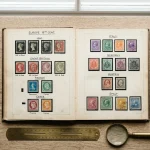
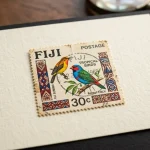
| Specialized Collector Club Bourses (Stamps & Coins) | Postage stamp collections, postal covers, numismatic coins, paper currency. | Local chapters of the American Philatelic Society (APS) or American Numismatic Association (ANA) host regional weekend shows with free admission and volunteer appraisal tables. | Decades of hyper-specialized technical expertise; accurate identification of rare varieties, dies, and watermarks. |
| Online Digital Auction Photo Consignment Portals | Items too fragile or heavy to transport physically. | Major auction houses provide digital submission forms where you upload clear photos, measurements, maker’s marks, and family history for review by senior department curators. | Evaluate high-value antiques from the comfort of your home; rapid turnaround within 3 to 10 business days. |
| Reputable Local Estate Sale Liquidators | Whole-house contents, complete estate cleanouts, broad accumulations. | Licensed estate liquidation companies offer free in-home walkthrough consultations to evaluate whether estate contents justify conducting an on-site public estate sale. | Comprehensive overview of estate value; saves hours of manual lifting and sorting. |
Verbal Valuation (Free) vs. Written Certified Appraisal (Paid)
Understanding the distinction between appraisal formats is essential when seeking antique advice:
1. Verbal Approximation of Value (Auction Estimate / Fair Market Value)
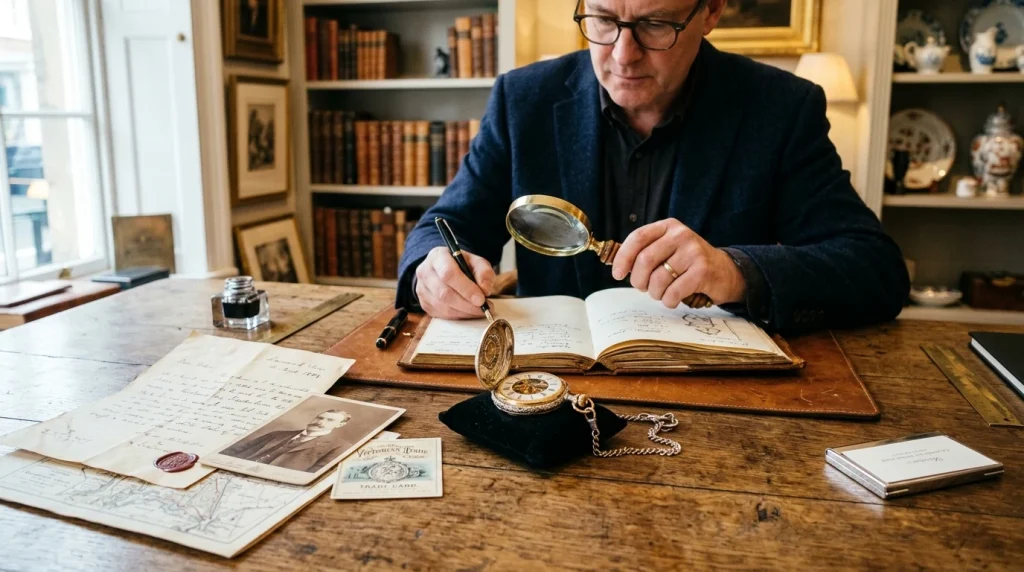
Free evaluation services provide what the industry classifies as a Verbal Approximation of Value (VAV) or an “Auction Estimate.” The evaluator visually inspects the item, reviews maker signatures, examines condition flaws, and provides an estimated price range that the object would likely realize if offered at public auction or over a dealer counter. This estimate is fast, informal, and non-binding. It is ideal for deciding whether to keep an heirloom, sell it, or donate it to charity.
2. Certified Written Appraisal (USPAP-Compliant)
If you require documentation for homeowner insurance schedules, IRS estate tax filings, divorce settlements, or charitable donation tax deductions, federal law requires a formal written appraisal compliant with the Uniform Standards of Professional Appraisal Practice (USPAP). A certified USPAP appraisal involves exhaustive market research, provenance documentation, condition analysis, comparable sales analysis, and a signed, legally binding document. Because USPAP-certified appraisers take on legal liability, these appraisals cannot be provided for free.
How to Verify Appraiser Credentials and Avoid Scams
Because the term “appraiser” is not strictly regulated by federal occupational licensing, anyone can advertise antique appraisal services. To protect yourself and your valuables, adhere to these professional guidelines:
Recognized Professional Appraisal Associations
Verify whether an appraiser holds active, accredited membership in one of the three premier governing appraisal organizations in North America:
- International Society of Appraisers (ISA): Rigorous training in methodology, ethics, and connoisseurship across fine and decorative arts.
- American Society of Appraisers (ASA): The oldest multidisciplinary appraisal society, requiring extensive peer-reviewed testing and documented field experience.
- Appraisers Association of America (AAA): Premier organization specializing in fine arts, photography, jewelry, and luxury collectibles.
The Golden Rule of Appraisal Ethics
A legitimate certified appraiser never offers to buy an item they are formally appraising for a fee. Performing a paid appraisal on an object while simultaneously offering to purchase it creates a severe conflict of interest: the appraiser has a financial incentive to artificially undervalue the item to acquire it cheaply. Professional appraisal ethics codes strictly forbid buying items within 12 to 24 months of providing an appraisal.
Red Flags to Avoid
- Upfront “Authentication Fees” from Unknown Websites: Be wary of unsolicited online services demanding $50 to $150 credit card payments before reviewing uploaded photos. Legitimate auction houses review consignment submissions for free.
- Appraisers Who Charge a Percentage of the Item’s Value: Professional appraisers charge a flat hourly rate, day rate, or per-item fee. Charging a percentage fee violates USPAP ethics rules because it incentivizes the appraiser to inflate values unnaturally.
- Door-to-Door Traveling “Antique Roadshow” Hotel Buyers: Traveling roadshow operations that place full-page newspaper advertisements inviting seniors to local hotel conference rooms typically offer 5% to 15% of actual scrap or wholesale value for precious metals, coins, and collectibles.
Preparing Your Antiques for an Appraisal Session
To maximize the accuracy and efficiency of a free appraisal consultation, follow these four preparatory steps:
- Do Not Clean or Polish: Never scrub tarnished sterling silver, strip old wood furniture finishes, or attempt to clean vintage stamp albums and oil paintings. Cleaning antique patina or wiping aged varnish can destroy original surfaces and instantly erase up to 80% of an antique’s value.
- Gather Provenance and Documentation: Locate original receipts, family wills, bills of sale, historical photographs showing the item in family homes, or old exhibition tags. Provenance significantly enhances credibility and value.
- Take Clear Multi-Angle Photos: If seeking online or preliminary evaluation, take high-resolution, well-lit photos showing: (a) full front and rear views, (b) maker’s marks, signatures, or stamps, (c) joinery (dovetails on furniture), and (d) any damage, cracks, chips, or restorations.
- Formulate Specific Questions: Decide what you want to achieve from the consultation. Are you looking to liquidate immediately for cash, consign to an auction house, divide items equitably among family heirs, or determine whether an item merits specialized insurance?
Frequently Asked Questions on Local Antique Appraisals
Can I get a stamp collection appraised for free at a local antique shop?
Most general antique shops specialize in furniture, glassware, and decorative home items, and have minimal technical knowledge regarding philatelic varieties, watermarks, and condition grading. While a general antique dealer can offer a casual impression, you will achieve far more accurate free guidance by visiting a local stamp club meeting or an American Stamp Dealers Association (ASDA) member dealer.
Are the appraisals seen on TV antique roadshows realistic?
On television appraisal programs, appraisers typically quote an “Insurance Replacement Value” (the retail cost to replace an item with a similar specimen at a high-end gallery) or a high-estimate auction expectation. In reality, an owner selling that same object through a local dealer or public auction might net 40% to 60% of that broadcast figure after factoring in commissions, buyer premiums, and dealer markup.
How can I find a local stamp or coin club near me?
Visit the official American Philatelic Society website (stamps.org) and use the “Find a Club” directory. There are hundreds of regional stamp clubs across the United States that meet monthly. Most clubs welcome visitors and feature veteran collectors eager to review collections and provide honest, pressure-free advice.
Get our latest guides, news, and insights highlighted in your Google Search & AI Overviews.