

Their primary worth lies in their decorative appeal for hobbyists rather than as a financial investment.
Keep reading to discover exactly why they were made, the intricate details behind their manufacturing process, and how to accurately appraise your collection today.
Introduction
Have you ever uncovered a shimmering binder filled with stamps that look like solid gold, leaving you wondering if you just found a hidden fortune?
Many families discover these collections tucked away in closets, assuming they hold immense wealth. The heavy binders, official-looking certificates of authenticity, and the prominent use of the term “22k gold” all contribute to an aura of high financial worth.
Are they the equivalent of finding physical bullion in your attic, or is there a completely different story behind their creation?
The reality behind their manufacturing process and market standing might surprise you. We will uncover exactly what these items are and how much actual precious metal they contain.
You will also learn what buyers on the secondary market are willing to pay for them right now.
By the end of this guide, you will know exactly how to evaluate your specific collection without any false hopes or misunderstandings. The true story of these items reveals a fascinating era of mail-order marketing.
What Are 22k Gold Replica Stamps?
Understanding the exact origins of these items helps clarify the 22k gold stamp replica value on the secondary market.
Decades ago, companies like the Postal Commemorative Society produced massive quantities of these pieces. They were marketed heavily through mail-order catalogs and magazine advertisements to hobbyists, history buffs, and casual buyers alike.
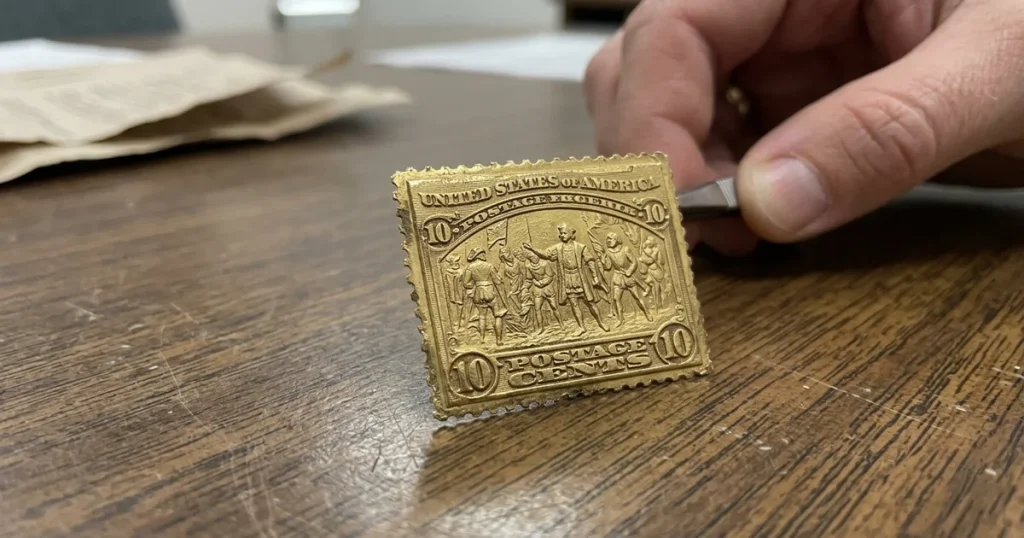
Each piece typically honors a specific USPS release, meticulously replicating the original artwork with a shiny metallic finish.
They were almost always sold via a monthly subscription model. Subscribers would receive new additions regularly, eventually filling up custom binders complete with descriptive, educational pages.
The thematic scope of these collections was incredibly vast. The series covered everything from American Presidents and space exploration milestones to state birds and famous historical figures.
It is important to establish what these items are not. These are not official postage. They are privately manufactured commemorative collectibles.
Many novice collectors mistakenly believe they hold legal tender status or were directly sanctioned as currency by the government.
You cannot use them to mail a letter, nor are they recognized as official philatelic postage by traditional grading authorities. Their creation was meant to celebrate American postal history and provide a visually striking display piece.

The Manufacturing Process: Are 22k Gold Stamps Real Gold?
The most common question from new owners trying to determine their collection’s worth is: are 22k gold stamps real gold? The answer is technically yes, but with a massive, highly specific caveat.
They do contain genuine 22k gold in their overall construction. However, they are entirely different from solid gold bars, bullion coins, or even heavy jewelry.
Instead, these replicas are either lightly gold-plated or manufactured using an exceptionally thin layer of gold foil.
This foil is often measured in microscopic fractions of a millimeter. Sometimes it is just a few microns thick. This unimaginably thin layer is then bonded securely to a thicker paper, plastic, or cardboard backing to give the illusion of a solid metal piece.
The actual amount of precious metal used per replica is so microscopic that extracting it would cost far more than the gold itself. Attempting to melt down or refine these items is generally not practical, scalable, or profitable for anyone in the refining industry.
Assessing the Gold Foil Stamps Worth
When evaluating gold foil stamps worth, you must learn to separate intrinsic material value from collector demand.
Because the actual precious metal content is almost nonexistent, the melt value is usually less than a single dollar per stamp. You are not holding a hard asset that tracks predictably with the daily spot price of physical gold bullion.
If the global price of gold skyrockets, the value of your replicas will remain completely unchanged. Instead, any financial realization must come purely from the stamp replica monetary value.
Unfortunately for those looking to cash in on a recent inheritance, the secondary market is incredibly soft and heavily saturated.
These were mass-produced in staggering quantities during the peak of their popularity in the 1980s and 1990s. Scarcity is the primary driver of price in the collectibles market, and these items are simply not rare by any metric.
Market Demand and Resale Expectations
If you want to determine the accurate gold replica stamps resale value, a quick search on platforms like eBay provides immediate, sobering clarity.
Most individual pieces sell for just a few dollars, often struggling to attract bids even at those low price points.
Entire binders filled with dozens of these replicas often change hands for a surprisingly low sum. Sometimes, a completely full album sells for under fifty dollars.
Many professional dealers and serious philatelists view them as decorative novelties rather than serious additions to a traditional stamp portfolio.
They do not hold the same prestige or historical gravitas as genuine, rare postage stamps from the nineteenth century.
While they are undoubtedly beautiful to look at, buyers expect to pay only a tiny fraction of the original retail subscription price. You will rarely find a professional appraiser who recommends purchasing these items for financial gain.
The Impact of Physical Condition
When appraising an inherited collection, the physical condition of the binder and the informational pages often matters just as much as the replicas themselves.
Binders that have been stored in damp basements or hot attics may suffer from mold, warped pages, or tarnished protective sleeves.
A collection in pristine, mint condition with crisp pages and unblemished foil will always sell faster than a damaged one.
Proper climate-controlled storage is essential if you plan to keep the collection intact for future generations to enjoy.
The Role of First Day Covers
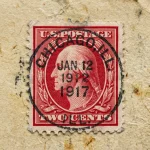
Many of these metallic replicas were sold in direct combination with first day covers. A First Day of Issue cover is a specialized envelope bearing a stamp that was officially canceled on its very first day of public availability.
The Postal Commemorative Society frequently packaged their metallic replicas alongside these authentic, canceled envelopes to create a hybrid collectible product.
This specific combination created a visually appealing product for everyday consumers. It successfully merged official, verifiable postal history with an attractive, shiny centerpiece that felt premium.
The addition of the genuine canceled envelope does add a slight layer of legitimate philatelic interest for some traditional hobbyists.
However, it rarely elevates the overall price point significantly in today’s market. The surviving supply of these combined presentation sets still vastly outstrips the current consumer demand.
Comparing Real Stamps vs. Replicas
To further understand the market divide, it helps to look at the concrete differences between authentic postage and these metallic commemorative issues.
| Feature | Genuine USPS Postage | 22k Gold Replicas |
|---|---|---|
| Material Composition | Standard specialized stamp paper | Paper or cardboard backed with thin gold foil |
| Legal Tender Status | Yes (can be used for actual mailing) | No (strictly decorative and commemorative) |
| Primary Value Source | Rarity, physical condition, and historical age | Visual decorative appeal and presentation |
| Precious Metal Content | None whatsoever | Microscopic layer (negligible physical melt value) |
| Target Audience | Traditional, dedicated philatelists | Casual hobbyists and gift recipients |
| Secondary Market Liquidity | High for rare items | Extremely low; highly saturated market |
Collecting Gold Foil Stamps Today
Despite their demonstrably low financial return, collecting gold foil stamps remains a highly enjoyable hobby for many individuals around the world.
The artwork utilized on these pieces is often stunning, highly detailed, and beautifully embossed. They offer a highly unique, tactile way to appreciate historical American designs without spending a small fortune on the actual rare stamps they mimic.
For those who genuinely enjoy building extensive stamp collections, these padded binders make excellent, conversation-starting display pieces.
They look impressive sitting on a bookshelf or displayed on a coffee table. The historical background information provided alongside each replica is usually well-researched, highly educational, and beautifully typeset.
If you adjust your expectations away from getting rich, you can still find immense personal joy and historical appreciation in owning these beautiful items. They represent a unique era of mass-marketed historical memorabilia.
Where to Buy and Sell Safely
If you decide to actively enter the market, online auction platforms are definitively your best bet. Sites like eBay are flooded with active listings, making it incredibly easy to start a collection affordably.
You can easily find specific historical designs, topical themes, or entire pristine albums for pennies on the dollar compared to their original cost.
For sellers hoping to liquidate a collection, it is critically important to take clear, well-lit photos and set realistic pricing expectations.
Selling them in large bulk lots or complete binders is often significantly easier than trying to move individual pieces one by one. Moving them individually usually results in high shipping costs eating up any tiny profit margin.
Do not expect traditional coin shops, pawn brokers, or precious metal dealers to make an offer on these collections. They know the chemical refining process is impossible to justify financially and will politely decline to purchase them.
Conclusion
The truth about these metallic collectibles becomes straightforward once you fully understand exactly how they were manufactured and marketed.
They are undeniably beautiful, historically interesting pieces that carry almost absolutely no intrinsic material wealth. They will not fund a retirement account, pay off a mortgage, or serve as a hedge against inflation.
However, they remain a fascinating, visually striking chapter in the broad history of American consumer collectibles and postal memorabilia.
Frequently Asked Questions (FAQ)
Can I melt these replicas down for their actual gold content?
No. The physical layer of gold is so incredibly thin that extracting it requires highly specialized, toxic chemical processes. The financial cost of refining them far exceeds the monetary value of the microscopic amount of gold you would actually recover.
Are these metallic stamps officially produced by the USPS?
No, they were conceived and created by private marketing companies like the Postal Commemorative Society. While they explicitly honor official postage designs under licensing or public domain usage, they are strictly private commemorative items.
Why did my relatives pay so much money for them originally?
During their initial production run, they were marketed aggressively as premium, limited-edition collectibles. Subscription services sold them at a very high retail markup, capitalizing heavily on the luxury appeal of the 22k gold label and the beautiful, authoritative packaging.
Do these specific replicas increase in financial value over time?
Historically, they have depreciated significantly and rapidly from their original retail purchase price. Because they were mass-produced in the hundreds of thousands and are not truly rare, it is highly unlikely they will ever see a substantial increase in monetary worth in the future.
Get our latest guides, news, and insights highlighted in your Google Search & AI Overviews.