

Did you know a simple stamp on a dollar bill can turn everyday money into a fascinating global tracking adventure? The “Where’s George” stamp network lets you mark adn track the journey of paper currency as it circulates, providing unique insights into the hidden paths our money takes. Whether you’re curious about geography, economics, or just enjoy a fun, interactive hobby, this guide explains how the Where’s George stamping system works to connect communities and reveal surprising stories behind ordinary bills. By stamping and tracking money, you join a dynamic network sharing data that illustrates real-world movement and even sparks conversations about currency circulation patterns. If you’ve ever wondered where your dollar has traveled or how a simple stamp can foster collective discovery,this guide will give you everything you need to get started-and keep the trail going. Dive in to explore how the Where’s George stamp network transforms paper money into a living map of human exchange and movement, turning every dollar spent into a story waiting to be told.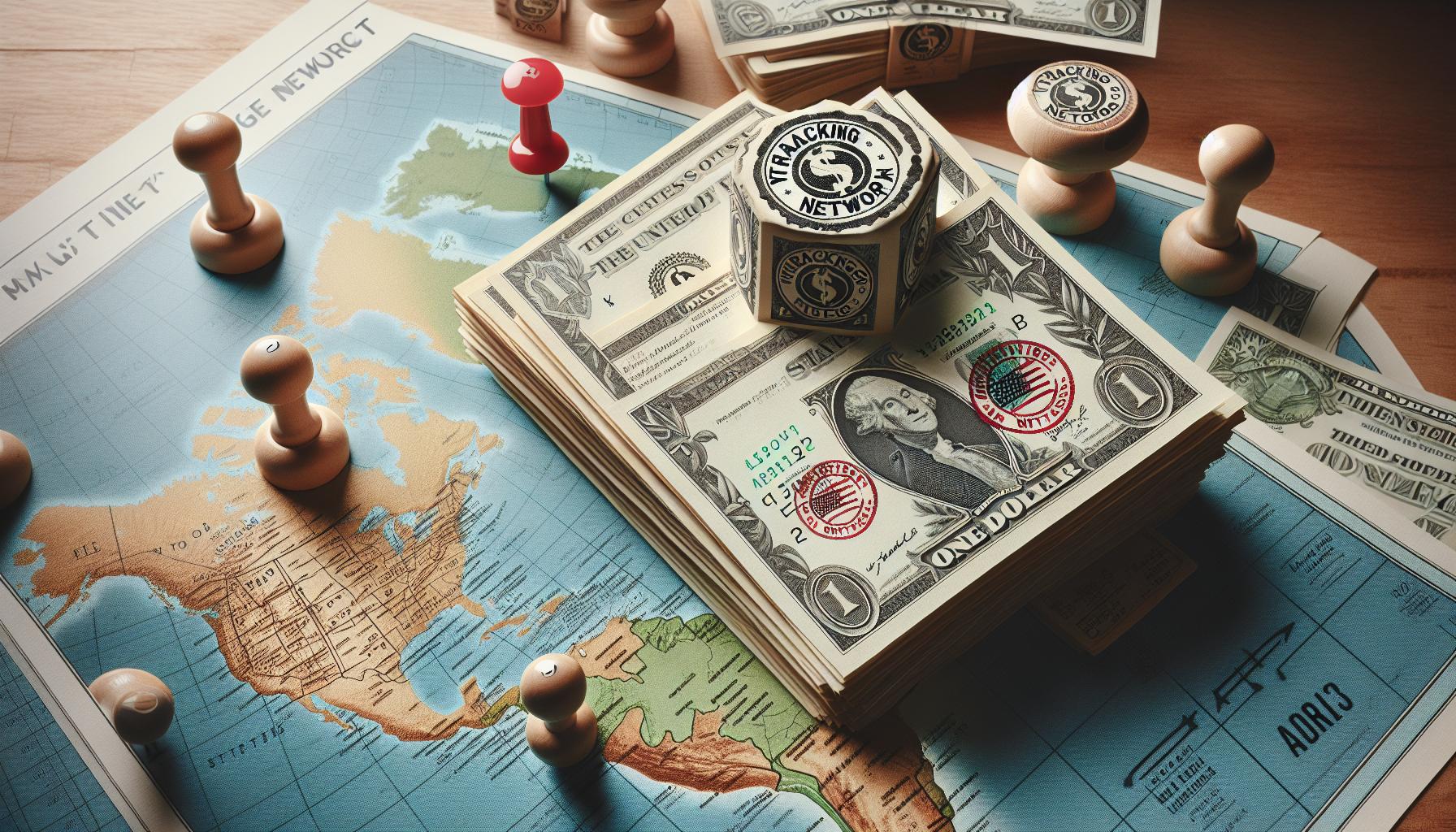
Understanding the Purpose of the Where’s George Stamp
Currency moves through countless hands and places every day, creating a rich tapestry of human and economic interaction that often goes unnoticed. The Where’s George stamp taps into this hidden narrative by transforming ordinary paper money into dynamic storytellers. At its core,the purpose of the Where’s George stamp is to encourage people to track dollar bills as thay circulate,revealing fascinating patterns about the geographic and social flow of cash.
by stamping “Where’s George?” along with a unique identifier on currency, users participate in a collaborative experiment in crowd-sourced data collection. This transforms the mundane act of spending into an interactive experience where each bill becomes a mini time capsule, carrying location-based history from one person to another. Beyond simple curiosity, this process provides valuable insights into how money physically travels across regions, reflecting economic linkages, migration of people, or even how events or holidays influence cash movement.
What makes this tracking method especially powerful is its accessibility and engagement.Anyone can grab a bill, log its serial number and location on the website, and than watch where it pops up next-sometimes thousands of miles away or years later. This not only fosters a playful sense of community among participants but also provides a unique lens into economic geography that conventional data sets might miss. Such as, analyzing Where’s George tracking data can reveal unexpected cash circulation routes or hotspots where currency stagnates, which can be of interest to economists, sociologists, and enthusiasts alike.
to maximize the tracking and tracking enjoyment, users often add personalized messages or locations to their stamps, creating anecdotal layers atop the raw data. This human element encourages more people to participate and helps transform a simple bill into a shared story, turning everyday currency into a fascinating detective trail of the money we all use daily[[1](https://www.wheresgeorge.com/wrapper.php?page=sitesummary)][[2](https://www.npr.org/2013/03/24/174966382/wheres-george-the-trail-of-1-bills-across-the-u-s)].
- Encourages active participation: invites users to engage with the otherwise anonymous circulation of currency.
- Maps real-world economic movement: Provides unique data revealing how money travels geographically over time.
- Builds a community of currency trackers: Links people through shared interest in tracking money’s journey.
- Enables educational insights: Offers a hands-on way to learn about economics and geography.
How the Where’s George Tracking Network Works
The magic of the Where’s George tracking network lies in its ability to connect ordinary dollar bills with remarkable journeys, turning simple cash into a living map of human movement and economic interaction. When a user stamps a bill with the distinctive Where’s George mark and unique tracking code, they essentially tag that bill for future discovery.Anyone who receives the bill can then participate by logging its serial number and their location online, entering the bill into a constantly evolving digital ledger. This crowdsourced input creates a traceable chain of hands and places that stretches across time and geography.
At the heart of this system is a user-kind online platform where each bill’s history is accessible and visualized on interactive maps. When registering a bill, the user enters key details-its serial number, location (usually through zip codes), and optional comments or notes. Once submitted, the system cross-references this data to generate tracking histories showing the bill’s prior sightings and its movement patterns. As subsequent users encounter the bill and log new sightings, these updates cascade into richer, more complete travel stories. This iterative flow transforms static cash into dynamic narratives that reveal how money circulates within and among communities.
The network benefits greatly from simplicity and openness: anyone with a smartphone or computer can become a tracker. This accessibility helps fuel participation and leads to a diverse dataset reflecting real-world cash flow, including travel distances, geographic hotspots, and even the frequency of movement delays. For example, it’s not uncommon to find bills that remain in one city for years, while others rapidly jump hundreds of miles across state lines, perhaps following business hubs or event-driven spikes in activity. These patterns can be fascinating for economists studying regional commerce or hobbyists intrigued by the unexpected paths of their stamped bills.
- Tracking Process: Users stamp bills, log serial numbers and locations on the website.
- Data Visualization: Online maps and timelines offer insights into a bill’s physical journey.
- Community Contribution: Every participant adds to a collectively built record of currency movement.
- Real-World Mapping: Reflects economic geography and social behavior around cash usage.
By blending simple user input with powerful visualization tools and a grassroots network effect,the Where’s George platform creates an engaging feedback loop where currency tracking becomes both a game and a meaningful data collection effort. Whether you’re curious about how a dollar can journey thousands of miles or motivated by contributing to a unique social experiment, this network’s strength lies in turning everyday transactions into shared stories that span the country and beyond.
Step-by-Step Guide to Using Where’s George Stamp
Few things are as intriguing as knowing exactly where a particular dollar bill has been before it lands in your hands. Participating in the Where’s George network is simple, yet each step unlocks a story that might span states or even decades, turning your everyday cash into a traveler with a fascinating past. Whether you’re just starting out or looking to contribute in a meaningful way, understanding the process will help you seamlessly join this dynamic tracking community.
begin by acquiring a clean bill to mark-ideally one that will likely re-enter circulation soon, such as a $1 or $5 note.Using a fine-tip red marker or stamp, imprint the distinctive Where’s George logo along with a unique tracking code or URL (frequently enough www.wheresgeorge.com) on a non-intrusive location like the bill’s edge or white margin. This subtle marking alerts future holders that the bill is part of an ongoing experiment and invites them to join the tracking process themselves. be sure not to deface or obscure important details like the serial number to keep the bill eligible and easy to read.
Next, jump onto the Where’s George website, where the heart of data collection and bill tracking happens. Create a free account if you haven’t already, giving you access to log bills and review tracking histories. When entering a new bill, input its serial number exactly as printed, then provide the bill’s current location-usually by zip code-to help pin down where your entry fits geographically.Additional optional fields like the bill’s denomination, series year, and any notes or personal anecdotes about the bill’s origin or destination can enrich the records and add personality to its story. Upon submission, the system will either create a new tracking profile for the bill if it’s the first time it’s entered or display its prior sightings if it has been tracked before.
tips for Maximizing Your Tracking Impact
- Log Bills Promptly: The sooner you log a bill after receiving it, the fresher your data and the more immediate the impact on its tracking history.
- Use Accurate Location Data: Precise zip codes yield better geographic insights and clearer mapping of the bill’s journey.
- Add Meaningful Comments: Personal notes, such as the context in which you received or spent the bill, can turn dry data into engaging narratives for other users.
- Keep bills in Circulation: Use stamped bills normally, so they continue moving through the economy and can be tracked multiple times.
By diligently following these steps, you not only contribute valuable data to the Where’s George tracking network, but you also invite others to discover and extend your bill’s journey. Over time, what starts as a simple piece of currency evolves into a snapshot of travel, human interaction, and economic movement, providing both hobbyists and researchers with unprecedented access to the lifeblood of American commerce.
Benefits of Tracking Currency with Where’s George
Few activities connect everyday life to broader stories as seamlessly as tracking currency through the Where’s George network. Beyond the simple thrill of discovering a bill’s past, tagging and logging currency offers a unique window into the movement of money, geographic patterns, and even social behaviors.Each stamped bill becomes more than just cash-it turns into a traveling ambassador of local economies and human interaction, revealing narratives that traditional data sources frequently enough overlook.
For enthusiasts and casual users alike,tracking bills can provide insightful real-world data that reflects how money flows through different regions. For instance, you might notice that a bill you marked in a small town surfaces months later in a distant city, highlighting connections and commerce routes that span hundreds of miles. This information can be valuable for hobbyists interested in geography or for researchers analyzing economic circulation, offering a fresh perspective on cash mobility that complements digital payment data.By participating, you contribute to a living database that maps the dynamics of paper currency usage across the United States.
Practical Advantages for Users
- Engagement and Curiosity: Tracking bills invites curiosity and engagement, turning casual spending into a form of treasure hunting that sparks conversations and encourages social interaction.
- Educational Value: The process naturally teaches geography, demographics, and monetary history, making it a fun and interactive tool for educators and students alike.
- Community Connection: Being part of the Where’s George network connects you to a wider community of tracking enthusiasts who share stories, tips, and discoveries, enriching the experience beyond simple logging.
- Contribution to Crowdsourced Data: Each entry enhances collective understanding of how physical currency circulates, offering valuable insights for sociological and economic studies.
Another often-overlooked benefit is the sense of stewardship participants develop over their local monetary ecosystem. Using Where’s George encourages you to think about money not just as a transaction medium, but as a bearer of stories and histories, inspiring a novel recognition of something as ubiquitous as dollar bills. In practise, this can motivate users to keep marked bills in active circulation, fueling further data collection that benefits everyone involved.
By integrating a simple marking and logging habit into your routine, you help transform ordinary currency into an interactive narrative tool that bridges geography, economy, and human connection. This blend of fun, education, and research makes Where’s George a uniquely rewarding pursuit for anyone interested in the hidden lives of everyday money.
Common Issues and Troubleshooting Tips
The thrill of tracking currency in the Where’s George network can occasionally hit a snag, but understanding common hiccups and how to address them can keep the experience smooth and rewarding. One frequent issue users encounter is trouble registering their bill due to unclear or illegible serial numbers. Bills worn from circulation may have fading ink or smudges that complicate accurate entry. To avoid this,ensure you capture the serial number in good lighting and double-check your input before submission. Sometimes,flipping the bill to read the number from the back or contrasting it against a plain background can enhance visibility.
Another common challenge arises from duplicate entries or tracking a bill that hasn’t been logged before. It’s not unusual to wonder why your entry hasn’t yielded results or why the bill seems “lost” in the database.Bills may have been logged under slightly different serial numbers due to typos or alternatively,some users may prematurely log counterfeit or damaged currency,which the system might index differently or reject. Patience is key here - if a bill hasn’t been tracked before, it will initially appear as a first entry, and subsequent logs from others will populate its history. Users should also be mindful that Where’s George occasionally undergoes maintenance or updates, which might cause temporary delays in logging or visibility of tracked bills.
Technical glitches during website use or submission forms can be another stumbling block. Whether it’s server downtime, browser compatibility issues, or difficulties navigating the interface, such barriers can frustrate even the most enthusiastic users. Clearing your browser cache, using updated browsers, or switching devices frequently enough resolves these issues.Should problems persist,the Where’s george contact form is a reliable resource for direct assistance and troubleshooting support,enabling users to report bugs or request help from the site administrators [[3]](https://www.wheresgeorge.com/contact-us-form.php).
Tips for a Seamless Tracking Experience
- Pre-marking Checks: Before writing your unique stamp or tracking code, make sure the bill is in decent condition and its serial number is fully legible.
- Consistent logging: Always log bills promptly to minimize data gaps and ensure your entries link correctly to the bill’s history.
- Verify Information: Double-check any input for accuracy-missed characters or typos in the serial number can cause mismatches.
- Stay Updated: Follow community forums or announcements to be aware of any planned maintenance or technical issues affecting the website.
- Use official Resources: When encountering persistent difficulties, utilize the official help contacts or community support groups for tailored assistance.
By anticipating these common obstacles and equipping yourself with practical solutions, you’ll minimize frustration and maximize your enjoyment of the Where’s George experience. After all, each marked and logged bill is a new chapter in a much larger journey-a story worth chronicling with clarity and care.
analyzing Tracking Data: Patterns and Insights
Currency tracking through Where’s george offers a fascinating window into the movement and circulation patterns of American paper money, revealing more than just where bills travel-it uncovers social, economic, and geographic insights. By analyzing the tracking data, users and researchers can identify trends that show how currency flows between regions, the speed at which money changes hands, and even detect unusual patterns that hint at economic activity spikes or slowdowns.
One of the most intriguing aspects uncovered through Where’s George’s data is how certain bills cover surprisingly large distances over relatively short periods. Such as, a bill stamped in New York City might appear months later in a small town in Texas, illustrating the dense web of commerce and travel. Conversely, bills frequently recirculated within localized areas highlight the concentration of spending within communities, providing a grassroots perspective on economic behavior. This data is invaluable for anyone looking to understand real-world currency dynamics and how interconnected regions really are.
Patterns can also emerge based on time frames-some bills show frequent logging during holiday seasons or major events, suggesting increased cash usage during these periods.By closely examining these spikes, users can hypothesize correlations with cultural or economic factors. Additionally,analyzing the average time between “hits” on a bill allows users to gauge how quickly cash is moving through the economy versus bills resting in wallets or hidden in savings.
Using Data to Draw Meaningful Insights
- Geographic Heat Maps: Visualizing tracking locations on maps highlights currency hotspots and migration corridors.
- velocity Measurements: Calculating the average time interval between bill entries helps estimate the velocity of money.
- Bill Lifespan Tracking: Observing how long a bill remains in circulation and the frequency of tracking can reveal economic activity levels.
- Community Interactions: Tracking overlapping trails of different users’ bills can illustrate community engagement and social reach.
By harnessing these analytical approaches, users can turn raw bill-tracking entries into rich stories about money’s journey-offering both casual players and researchers alike an engaging mix of fun and factual insights. whether it’s spotting how a single bill connects distant cities or uncovering seasonal cash flows, the Where’s George data is a unique resource for discovering how money moves through everyday life.
Exploring Community and Social features of Where’s George
Few things bring strangers together quite like the shared thrill of uncovering stories behind everyday objects - and Where’s George turns currency tracking into a surprisingly social adventure. Beyond the fun of logging your own bills,the platform offers a vibrant community where users connect over the trails their dollars leave across the country. This collective weaving of tracking histories transforms simple banknotes into portals of human interaction, offering insight not only into money’s movement but into local economies and cultural exchanges.
Participating in the community isn’t just about entering bill serial numbers; it’s about engaging with other users who share a curiosity for economic geography. Forums dedicated to strategies, bill stories, and even unique geographical discoveries create an environment that encourages collaboration and knowledge sharing. Such as, members often exchange tips on how to maximize the visibility and tracking frequency of their bills, discuss regional cash usage quirks, or celebrate when a bill achieves a long-distance “travel milestone.” These interactions add a layer of depth, making the tracking experience richer and more dynamic.The “Friends of Where’s George?” program, which supports the site and removes ads, also helps foster this community by providing enhanced features for frequent users [[1]](https://forums.wheresgeorge.com/index.php), [[3]](https://www.wheresgeorge.com/friends.php).
Leveraging Social Features to Enhance Tracking
- Collaborative Bill Dropping: Coordinating with others to “drop” bills in strategic locations encourages wider geographic dispersal and can create fascinating tracking stories.
- Trail Overlaps and Friend Networks: Recognizing when bill trails intersect among different users builds a sense of community and shared discovery.
- User-Generated Content: Bill comments and notes often include personal anecdotes, local insights, or historical trivia, enriching the data beyond mere locations and dates.
For newcomers wondering how to start, joining discussion forums or local user groups can vastly improve the experience. You might find opportunities to participate in challenges or events where the community collectively tracks money flow during special occasions like holidays or festivals. This can add an element of gamification, encouraging more active participation and fostering a welcoming social environment.
Even beyond tracking bills, Where’s George serves as a unique platform for discovering social connections mapped through currency circulation. The network highlights how money can be a surprising storyteller of shared human experiences, binding people across cities and states in an ongoing narrative that is fun, informative, and distinctly social.
Advanced Tracking Techniques and tools
Tracking dollar bills across vast regions can sometimes feel like piecing together a complex puzzle-but with the right strategies and tools, you can uncover deeper insights and substantially enhance your Where’s George experience. By leveraging advanced techniques,seasoned users unlock more detailed patterns of currency flow,boost the visibility of their tracked bills,and streamline data analysis.
One powerful approach involves strategic bill “dropping.” Instead of randomly spending tracked bills, you might target high-traffic or culturally vibrant locations-such as major transit hubs, festivals, or downtown shopping areas-where cash circulation is dense and diverse. Coordinated efforts with other users to place bills in multiple strategic points within a region can multiply the opportunities for those bills to be logged again, helping you capture richer geographic data that reveals intriguing travel routes and usage trends.
Leveraging Third-Party Tools and Data Exports
To complement manual tracking on the site, many advanced users turn to tools like spreadsheet software or custom scripts to analyze exported bill tracking data. The Where’s George platform allows data export which can be manipulated to generate unique statistics-such as average distance traveled per bill or frequency of hits in particular states or zip codes.Creating visualizations such as maps or heatmaps helps identify currency “hot spots” and movement corridors or else hard to grasp from simple logs.
- Custom Notifications: Setting up alerts for bills hitting certain key locations can keep you proactively involved, rather than checking the website repeatedly.
- API Usage: For technically inclined users, the community has developed unofficial APIs and data parsers to automate bill searches and trail mapping.
Another technique gaining popularity is intensive note-taking during bill entries. Using the notes field to add contextual information-like the venue where the bill was spent, weather conditions, or even short anecdotes-enriches the data for future users. This transforms tracking from a dry data exercise into a collaborative storytelling project.
Timing and Bill Denomination Considerations
It’s also useful to understand cash flow cycles and denomination preferences. Bills marked early during peak shopping seasons, or those of smaller denominations, tend to stay in circulation longer and gather more hits than large bills which are spent less frequently. Some users even experiment by ”retiring” a bill temporarily-holding it out of circulation to see if it resurfaces after months or years, uncovering unusual long-distance travels or “lost” trails.
Ultimately, combining these thoughtful tactics with the robust Where’s George community insights can turn bill tracking into a complex hobby-not only tracking currency movement but connecting stories, geography, and human behavior in compelling new ways.
Privacy and Security Considerations for Users
Participating in the Where’s George currency tracking network offers an intriguing blend of fun and data-sharing, but it also raises critically important considerations about privacy and security that every user should keep top of mind. Surprisingly, despite the public-facing nature of tracking bills, the platform itself actively safeguards your personal information, ensuring that your participation remains secure and your data protected. The site’s privacy policy explicitly states that they do not monitor, edit, or disclose personal information without prior permission unless legally obligated, reinforcing a strong commitment to user confidentiality[[1]](https://wheresgeorgerubberstamps.com/pages/privacy-policy).
When you register or log bill entries, the information you provide is primarily used to maintain account integrity and enrich the shared currency movement data. However, it’s wise to limit the amount of personally identifiable data you share in your profile or bill notes. While including anecdotes or context can enrich the communal storytelling aspect, avoid mentioning sensitive details like your full address, financial info, or other private identifiers. Treat your Where’s George account as a public-facing profile as any notes or comments become visible to other users as part of the tracking history.
Best Practices for Protecting Your Privacy
- Use a unique username: Choose a handle that does not connect to your real name or other online identities you want to keep separate.
- Limit detailed location data: Instead of exact addresses,mention general areas or landmarks when adding notes about where you dropped or found a bill.
- Manage your account settings: Periodically review and update your privacy preferences, and be cautious when linking third-party tools or applications.
- Be mindful about data exports: If you download or share your tracking history, ensure that sensitive info is redacted or anonymized before distributing publicly.
From a security perspective, the Where’s George platform itself does not require sharing financial information such as credit cards or bank details, since it operates as a free-to-use service[[3]](https://www.wheresgeorge.com/friends.php). This substantially reduces common cyber risks like financial fraud. Nevertheless, always use strong passwords and consider enabling two-factor authentication if available to protect your account from unauthorized access.
Understanding Data Usage and Community Interaction
Being clear about how your submitted data is used can empower you as a participant. The site primarily uses tracking data to map currency movement patterns and foster an engaged community of users.When collaborating with third-party tools or community-developed APIs for advanced tracking,remember these services may have distinct privacy policies or data handling procedures. Verify their credibility and terms before integrating your personal or tracking data.This cautious approach protects you from accidental exposure and helps preserve the integrity of your tracking experience.
embracing the Where’s George tracking community can be richly rewarding while keeping your privacy intact. by sharing thoughtfully, securing your account, and staying aware of third-party implications, you create a safe and enjoyable environment to explore the fascinating journeys of American paper money without compromising your security.
Frequently Overlooked Features to Maximize Your Experience
Few participants realize just how many hidden features lie beneath the surface of the Where’s George tracking platform-features designed to elevate your currency tracking journey beyond mere bill logging. Exploring these often overlooked tools and customization options can transform your experience, making it more engaging, insightful, and tailored to your specific interests.
For instance, utilizing the advanced search filters allows you to dive deep into currency movement trends by tracking bills according to denominations, states, or specific time periods.This refinement helps you uncover fascinating patterns, such as regional circulation hotspots or seasonal shifts in bill travel, which casual users might miss. Another powerful yet underused feature is the ability to personalize your bill notes and trackbacks with photographs or anecdotes, enriching the storytelling aspect of your tracked bills and fostering stronger connections within the community.
Tips for Unlocking Full Potential
- Enable notifications: Many users overlook setting up alerts for when their tracked bills are registered by others.Activating these notifications keeps you instantly informed of your bills’ travels, fueling engagement and anticipation.
- Track Bill “Life Cycles”: Pay attention to multi-entry bills to observe extended journeys. Some users create informal maps or charts following bills with lengthy tracking histories, offering a captivating glimpse into currency migration patterns.
- Take advantage of the Mobile App: If you haven’t already, download the official Where’s George? app, which features enhanced camera capabilities for quick scanning and logging, and also fitness tracking integration for those who enjoy combining hobbies[[3]](https://wheresgeorge-wgapp.andro.io/).
- Join the “Friends of Where’s George?” Program: Supporting the platform not only removes ads but unlocks additional perks and enhanced features that habitual users find invaluable[[1]](https://www.wheresgeorge.com/friends.php).
These subtle but impactful tools help bridge the gap between casual tracking and sophisticated analysis, allowing you to maximize both fun and data acquisition. By weaving these features into your routine, you can uncover new insights and deepen your appreciation of the economic and human stories that each bill represents.
Q&A
Q: How can I interpret the location accuracy in Where’s George tracking reports?
A: The location accuracy in Where’s George depends on the zip code entered during bill registration and subsequent tracking reports. Zip codes approximate the bill’s whereabouts, but exact locations may vary due to user input.To improve accuracy, encourage precise zip code use, and review the section on analyzing tracking data for deeper insights.
Q: What are the best practices for increasing bill tracking responses on Where’s George?
A: To boost tracking response rates, mark bills clearly with Where’s George stamps and include clear instructions. Share tracking info on social media and forums to engage a wider audience. Leveraging community features and using advanced techniques discussed in the guide can significantly increase interactions.
Q: Why do some Where’s George bills show no tracking history after registration?
A: Bills may show no tracking data if they haven’t been entered by another user or if the serial number was mistyped during registration. Double-check your bill’s serial number and encourage others to participate to enhance network activity, as noted in the troubleshooting section of the guide.
Q: How frequently enough does Where’s George update its tracking databases and histories?
A: Where’s George updates its tracking database in real-time as users enter new reports. However, bill updates depend on user participation, so active use of the network will yield fresher data. Refer to the “Benefits of Tracking Currency” section for tips on timely updates.
Q: Can Where’s George stamps be used on currencies other than US dollars?
A: Where’s George is primarily designed for US dollar bills, but some users track Canadian dollars as well. However, tracking effectiveness is highest with US currency due to larger user base support, explained in the “Community and Social Features” section.
Q: What legal considerations should users know when stamping currency for Where’s George?
A: Stamping currency with Where’s george is generally legal as it doesn’t obscure bills’ key features or denominations. Always avoid marks that deface bills or violate currency laws, and review the privacy and security considerations to stay compliant.
Q: How can I integrate Where’s George tracking data with other currency tracking tools?
A: You can export Where’s George tracking data for analysis and combine it with other tools for broader insights. Use advanced tracking techniques from the guide to synchronize data and deepen your currency movement understanding.
Q: When is the best time to enter a new bill into the Where’s George network?
A: The best time to enter a new bill is immediately after receiving it, ensuring fresh tracking and maximum potential for future observations. Prompt entry increases engagement and tracking accuracy, as outlined in the step-by-step usage section of the guide.
Feel free to explore related sections like advanced Tracking Techniques and Common Issues and Troubleshooting Tips to maximize your Where’s george experience and make the most of your currency tracking journey.
The Conclusion
Thanks for exploring the “Where’s George Stamp: Tracking Network Guide” with us. By understanding how to navigate and leverage the tracking network, you’re now equipped to trace geographic and historical journeys more effectively than ever. Don’t miss out on expanding your knowledge through our detailed guides on stamp collecting basics and advanced tracking techniques to deepen your expertise and enhance your tracking experience.
Ready to take your tracking skills further? Sign up for our newsletter to receive exclusive tips, updates, and insights that keep you ahead in the world of stamp tracking. If you have questions or unique tracking stories, share them in the comments below-your input helps build an engaged community and enriches the collective knowledge. Explore related resources like our stamp identification tool to refine your research and unlock new discoveries. Keep tracking, stay curious, and return often for fresh updates that support your passion and success in stamp tracking networks.