Did you know the price of a standard Forever stamp will increase to 78 cents starting July 13, 2025? Whether you’re mailing holiday cards, business letters, or just keeping in touch, understanding stamp prices is essential to avoid surprises and manage your mailing budget effectively. This guide breaks down the latest USPS stamp and mailing rate changes, explaining what you need to know about current prices-including postcards, additional ounces, and international rates-so you can confidently plan your correspondence without hassle. With postage rates rising periodically due to changing costs and service needs, staying informed helps you send mail efficiently and economically. Read on to get the full picture of 2025 stamp pricing and make sure your mail always reaches its destination without unexpected expenses.
Current 2025 Stamp Prices Explained Clearly
The cost of mailing a standard First-Class letter in 2025 has shifted upward, reflecting broader postal service adjustments that affect everyday mailers and businesses alike. The price to send a single-piece First-Class letter now starts at 59.3 cents for letters up to 3.5 ounces,marking a modest increase that aligns with the U.S. Postal Service’s latest pricing strategy effective July 13, 2025. Understanding these updated rates helps ensure you budget accurately for your mailing needs and avoid surprises at the post office.Pricing varies depending on the type of mailpiece and the weight, so it’s helpful to keep the basics in mind:
- First-Class Letters: These are letters weighing up to 3.5 ounces. the price ranges approximately from $0.59 to $0.67, depending on exact weight and presorted discounts.
- Marketing mail Letters: For bulk advertising mail, prices range from $0.37 to just over $0.43 per piece, often significantly lower than First-Class rates due to volume discounts.
- Flats and large Envelopes: larger mailpieces have higher costs starting around $0.77 and going up based on size and zone distribution.
| Mail Class | Weight Limit | Price Range (2025) |
|---|---|---|
| First-Class Letters (Single Piece) | Up to 3.5 oz | $0.593 – $0.672 |
| Marketing Mail letters | Up to 3.5 oz | $0.372 – $0.433 |
| Marketing Mail Flats | Up to 4 oz | $0.770 – $1.185 |
| Nonprofit Flats | Up to 4 oz | $0.503 – $0.918 |
While these might seem like small increments, they can affect your mailing budget over time, especially if you rely on sending large volumes of mail. For instance, a small business dispatching hundreds of marketing letters monthly will notice the cumulative impact. It’s worth noting that the USPS introduced two sets of prices for marketing Mail and Package Services, offering flexibility depending on mail volume, sortation method, and destination zone.
Practical tip: Keep an eye on weight limits to avoid paying for extra ounces, and consider presorting or using automated mailing services if you send bulk mail frequently. These measures can yield substantial savings per piece.
by staying informed on these 2025 price points, individuals and businesses can make timely decisions about mailing strategies or explore alternative options like digital communication when feasible.For the most up-to-date rates and details, consult the official USPS price change notice and associated resources, as adjustments often roll out midyear[1].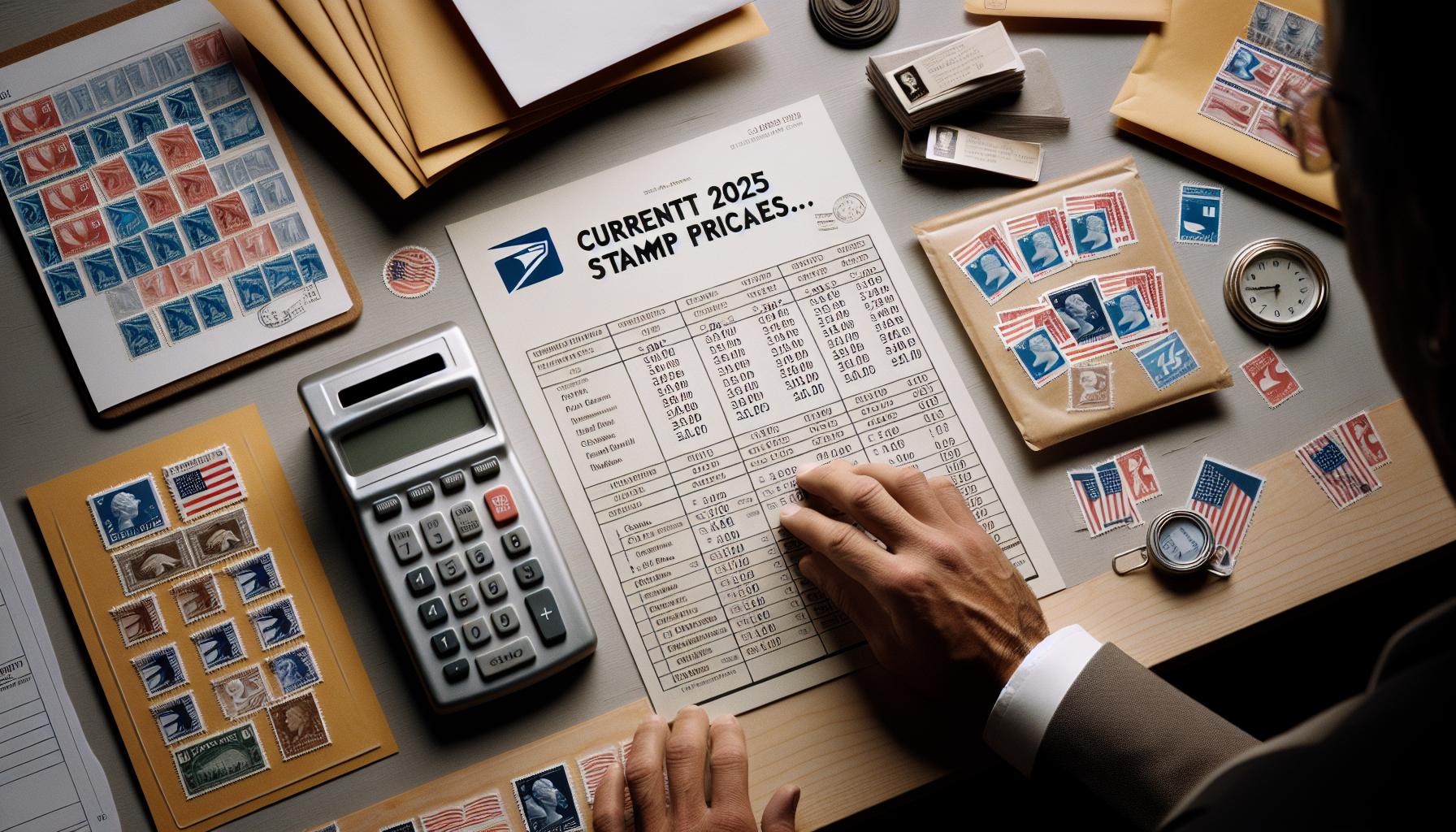
How Different Stamp Types Affect Pricing
It’s surprising how the type of stamp you choose can materially impact your postage costs, even for seemingly simple mailings. While the classic Forever Stamp remains a popular option-fixed at the current first-Class single-ounce letter rate-various stamp categories come with different prices tailored to specific mailing needs. Knowing these distinctions lets you optimize your spending and avoid overpaying.At the core, the most common stamps fall into a few categories:
- Forever Stamps: These cover postage for a standard 1-ounce First-Class letter regardless of future rate increases. For any weight beyond 1 ounce, additional ounce stamps priced at about $0.24 per ounce apply.
- non-Profit and Marketing Mail Stamps: These stamps are discounted for qualifying bulk mailers, such as charities or advertisers.Their lower rates reflect volume and pre-sorting efficiencies but require eligibility and postage meter usage in many cases.
- Postcard Stamps: Designed specifically for postcards, these stamps typically cost less than regular letter postage-currently around $0.51-but cannot be used for standard letter envelopes.
- Specialty and Commemorative Stamps: While often valued by collectors for their design and rarity, these usually carry the same postage value as Forever Stamps. Though, some that denote specific services like Priority Mail or International rates have distinct pricing.
How Weight and Service Type Influence Stamp Selection
The price you pay isn’t just about stamp design, but also your mailpiece’s weight and the service you use. For example, mailing a 2-ounce letter requires a Forever Stamp plus an additional ounce stamp to cover the extra weight, pushing postage beyond the base $0.59 rate.Similarly, large envelopes (flats) and parcels demand their own postage categories, often substantially more expensive-closer to $0.77 or higher given size and destination zone.For businesses, this means carefully selecting stamp types aligned with their volume and mailing needs. Bulk mailers generally benefit from commercial mailing permits or postage meters rather than conventional stamps to unlock lower Marketing Mail prices, which can cut costs by up to half compared to First-Class rates. However, casual mailers should stick to Forever or additional ounce stamps for simplicity.
Tips to Maximize value When Choosing Stamps
- Use Forever Stamps for most letters to avoid needing new stamps after price hikes.
- Purchase additional ounce stamps in bulk if you frequently mail heavier letters.
- Nonprofits and businesses sending large volumes should explore discounted postage categories and USPS mailing services.
- Check that postcard stamps are used only for postcards to avoid postage shortfalls.
- Keep an eye out for USPS specials or bulk options when collecting stamps, especially if mailing comprehensively or internationally.
In 2025, understanding the nuances behind stamp types allows everyday mailers and businesses alike to manage postal expenses smartly and avoid unexpected extra charges. Whether resupplying your Forever Stamp stock or preparing bulk shipments, aligning stamp choice with mailing requirements ensures both convenience and cost-effectiveness.[1]
Understanding Postal Zones and Their Impact on Costs
It’s easy to overlook how much distance shapes the cost of mailing, but postal zones play a crucial role in determining the final postage price, especially for parcels and larger mailpieces. The USPS uses a system of nine postal zones within the United States (Zone 1 being local, Zone 9 the furthest), to calculate shipping rates based on how far your mail needs to travel. This means that sending a package across town might cost considerably less than sending the same item coast-to-coast, even if it’s the same weight and size.[2]
Understanding these zones can save you money by helping you choose the right service and plan your shipments strategically. For example, a parcel sent from New York to New Jersey will fall into Zone 2 or 3, keeping costs lower than sending it to California, which would be Zone 8 or 9. For businesses especially, grouping shipments by zone or consolidating mailings can reduce overall shipping expenses. Even individual mailers who send gifts or parcels occasionally can benefit by knowing that smaller packages traveling shorter distances cost less-sometimes substantially so.
How Zones Influence Stamp and Postage Costs
Unlike standard single-ounce letters that typically use a flat-rate Forever Stamp regardless of distance, parcels and large envelopes (flats) rely on zone-based pricing. This means that standard postage stamps won’t always cover the full cost if the mailing advances into higher postal zones. For example:
- Zone 1 & 2: Local or nearby shipments; lower cost increments.
- Zones 3 to 5: Regional shipments with moderate increases in price.
- Zones 6 to 9: Long-distance shipments resulting in the highest postage fees.
If you’re mailing items heavier than one ounce or using services like Priority Mail, USPS calculates postage based on both the weight and zone. So, stacking multiple ounces on a shipment to Zone 9 may require significantly more postage than the same shipment to Zone 1. This tiered structure helps USPS manage delivery logistics but requires shippers to track zones accurately to avoid unexpected postage due.
Tips for Navigating Postal Zones Efficiently
- Use USPS Tools to Check Zones: many online tools and USPS calculators allow you to enter origin and destination ZIP codes to find out the exact postal zone,ensuring proper postage upfront.
- Consider Regional Rate Boxes for Parcels: USPS offers affordable regional flat rate boxes and envelopes that limit price increases across zones.
- Plan Shipments Based on Frequency and Distance: Businesses shipping frequently to distant zones might negotiate discounted rates or use zone-specific shipping strategies to optimize costs.
- Combine Mailings When Possible: Consolidating packages or selecting multi-piece shipments to similar zones can reduce total postage fees.
| Zone | Distance Range | Typical Impact on Cost |
|---|---|---|
| 1 | Local (same metro area) | Lowest postage rate |
| 3 – 5 | Regional (neighboring states) | Moderate rate increase |
| 7 – 9 | National (cross-country) | Highest postage rate |
In 2025, this zoning system remains a key variable in postage calculations beyond basic letter rates, especially for parcels and bulk mail. Taking a little time to understand and apply postal zones can prevent overpayment and ensure you’re using stamps and services appropriately for the distance your mail must travel.[1][3]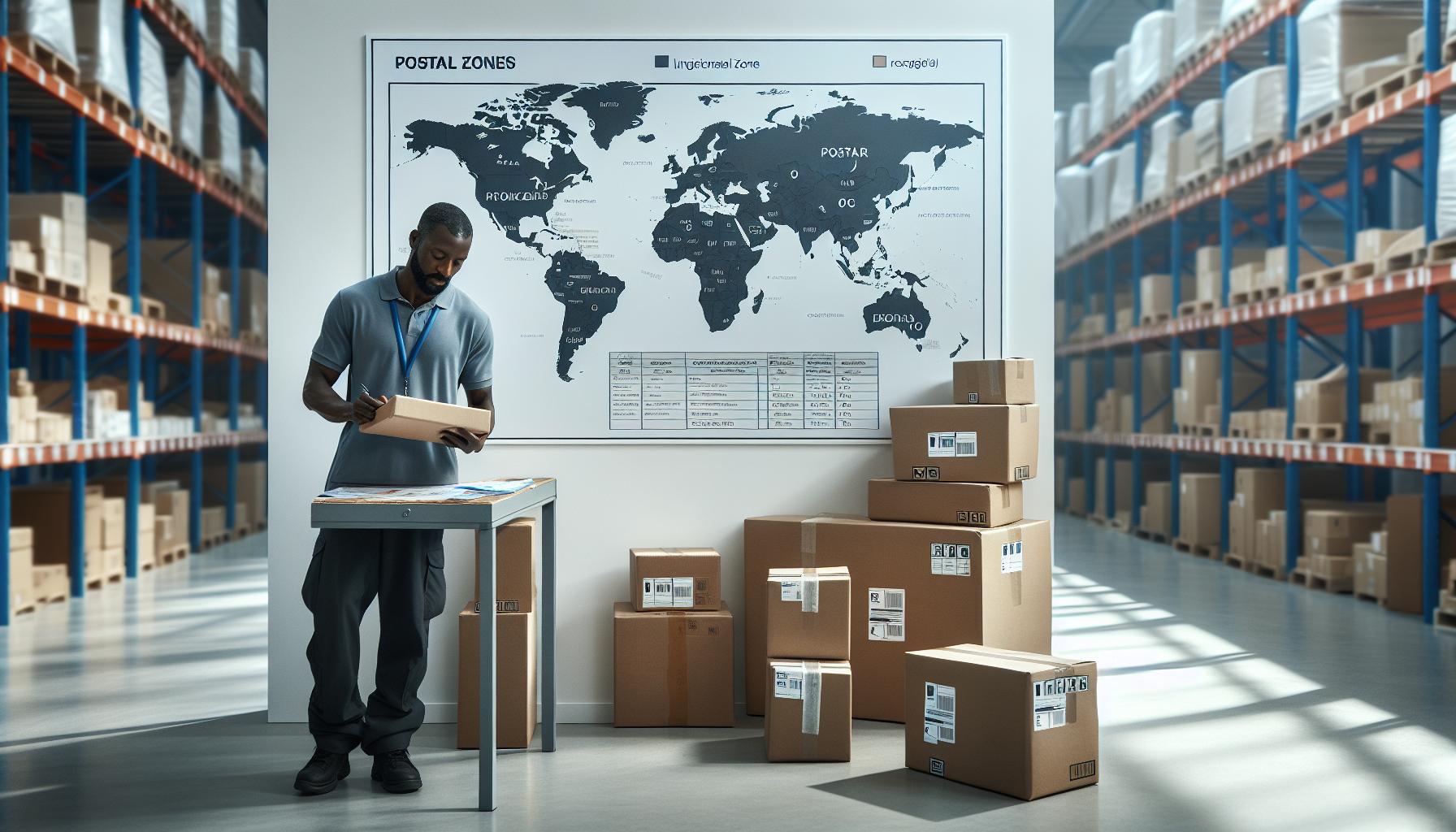
Special Stamps: Collectible and commemorative Values
Collectors and casual mailers alike find a fascinating intersection where postage meets art and history: special stamps. Unlike regular Forever stamps that simply cover postage fees, collectible and commemorative stamps often carry added value beyond their face price due to their limited runs, unique designs, or past significance. In 2025, while the everyday postage stamp remains a staple for mailing, these special issues continue to captivate enthusiasts and sometimes provide a worthwhile investment.
Special stamps frequently enough commemorate critically importent events,notable figures,or cultural milestones,making them highly desirable for collectors. Such as, stamps issued to mark Centennial celebrations, famous birthdays, or national achievements generally come in smaller print runs and feature exquisite artwork or innovative printing techniques. Because they are produced in limited quantities and can become rarer over time, their market value sometimes exceeds their current postal value-especially if they are kept mint or in pristine condition.[1]
Factors That Influence Collectible Stamp Values
While the USPS sets the face value for postage on all stamps-including commemoratives-several factors affect their collectible pricing:
- Condition: Mint condition stamps (unused, undamaged, and never hinged) command higher market prices among collectors.
- Rarity: Limited edition or discontinued stamps frequently enough appreciate as supply dwindles.
- Demand: Popular themes (such as space exploration, historic landmarks, or beloved presidents) typically boost interest.
- Age: Older stamps may gain value if they survive without damage over decades.
purchasers looking to buy special stamps should seek reputable sellers or catalogs like Scott or specialized dealers to avoid counterfeits and overpaying.[2]
Balancing Collecting and Mailing Needs
Many people wonder whether using collectible or commemorative stamps for everyday mailing is a smart choice. While these stamps carry the same postal value as their denominated amount, using them on letters or packages can add a personal or elegant touch. Though, investing in special stamps purely for postage is less cost-effective than buying standard Forever stamps if your primary goal is mailing convenience.If you’re sending a letter in 2025 and want to save money,using regular stamps tied to current postal rates is generally the most practical option. However, for invitations, holiday cards, or special correspondence, commemorative stamps serve the dual purpose of postage and making a memorable impression.
Where to Find Exclusive Special Stamps
For collectors and enthusiasts seeking to expand their portfolios, several trusted sources offer access to mint condition commemorative stamps, often with free shipping for orders above $100. Online specialty stores like H.E. Harris provide new arrivals and curated collections that cater to all levels, from beginners to serious collectors.[1] Additionally, auction sites and local stamp clubs can be valuable venues for finding rare issues or trading specimens.
special stamps in 2025 offer a unique mix of aesthetic appeal, historical resonance, and sometimes financial value. Whether you’re building a collection or adding character to your mail,understanding how these stamps fit into the broader postage market empowers you to make informed and enjoyable choices.
How to Save Money on Mailing Costs in 2025
Finding smart ways to trim mailing expenses in 2025 is more important than ever as postage rates have seen notable increases. Though, savvy mailers know that a few strategic practices can definitely help keep costs manageable without sacrificing service quality. From leveraging the right stamps to understanding postal rules, there are several actionable tips that can immediately reduce your postage outlay.
One of the simplest yet most effective methods is to use Forever stamps for standard First-Class Mail. These stamps hold their value regardless of future rate adjustments, allowing you to purchase them in bulk before prices go up and use them incrementally. For example, buying a book of Forever stamps when the price is $0.78 rather than waiting until a future increase can yield meaningful savings over time. Additionally, combining lower-value stamps to match exact postage prevents overpaying with single high-value stamps.
Maximize Bulk Mailing Discounts
If you regularly send larger volumes of mail, such as newsletters, invitations, or business correspondence, enrolling in USPS bulk mailing services can be a game-changer. Programs like Marketing Mail or Presorted First-Class Mail offer significant discounts compared to retail pricing.Key benefits include:
- Reduced per-piece rates: Pre-sorting by ZIP code and bundling mail streamlines USPS processing.
- Automation and software compatibility: using USPS-approved mailing software can further lower costs by automating address verification and sorting.
- Volume thresholds: Maintaining minimum mailing quantities qualifies you for the lowest available rates.
businesses and frequent mailers should check USPS guidelines and consider partnering with mailing services to optimize bulk discounts.
Choose Mail classes and Packaging Wisely
Not every item requires the speed or security of Priority Mail or Express. Assess the size, weight, and delivery urgency of your packages to select the most cost-effective class. For lightweight, non-urgent parcels, USPS Ground Advantage is frequently enough a cheaper alternative.Additionally, using USPS-provided Flat Rate envelopes and boxes can help you avoid weight-based fees when shipping heavier items up to a certain size-offering predictable flat pricing that often undercuts variable rate options.
Watch for Zone and Weight Nuances
Postage rates vary based on the destination zone (the distance between mailing origin and delivery), weight, and dimensions.Being mindful of these factors can guide you to adjust packaging or choose drop-off locations that benefit zone pricing. For example, consolidating multiple small packages into one box or reducing excess packaging weight can drop your mail into a cheaper pricing category.
| Tip | Why It Saves Money |
|---|---|
| Buy Forever Stamps Early | Locks in current rates; protects against future increases |
| Use Bulk Mailing Services | Lower rates for higher volume with pre-sorting |
| Select Appropriate Mail Class | Cheaper postage for non-urgent and lightweight items |
| Optimize Packaging | reduces weight and dimensions affecting cost |
By combining these strategies, anyone-from casual correspondents to businesses-can keep mailing budgets lean while maintaining reliable delivery. Remember, staying informed about USPS price updates, like the 7.4% increase effective July 2025, helps you anticipate and adjust postage purchases accordingly[1[1[1[1].
Ultimately, thoughtful planning and leveraging USPS tools can make a notable difference in how much you spend on mailing in 2025.
Where to Buy Stamps: Best Options and Prices
Finding the most convenient and cost-effective places to buy stamps in 2025 can significantly smooth your mailing experience while helping you manage postage expenses more efficiently. While the U.S. Postal Service remains the primary source for purchasing stamps, understanding the variety of outlets and options available will empower you to make smart choices tailored to your needs.Many people default to buying stamps directly at their local post office, where you can find the latest Forever stamps, commemorative issues, and other stamp types at face value. This is ideal for those who prefer in-person transactions and want immediate access to specialized stamps. However, line waits or limited hours may be a downside for some, especially during busy mailing seasons.
To combine convenience with competitive pricing, consider ordering stamps online through the USPS website or authorized online retailers. Buying online not only saves a trip but also often provides access to bulk purchasing options, such as booklets or coil rolls, which can reduce your cost per stamp. Such as, purchasing a book of 20 Forever stamps online can be more convenient and ensures you’re stocked up ahead of any rate increases, such as the 7.4% hike implemented in July 2025[[[[[1]](https://about.usps.com/newsroom/national-releases/2025/0409-usps-recommends-new-prices-for-july-2025.htm). Another advantage is that online purchases tend to feature a wider selection of collectible or commemorative stamps that might not be readily available at smaller post offices.Many supermarkets, pharmacies, and retail chains carry a limited selection of stamps-usually standard Forever stamps-making them a practical choice for fast buys during your routine errands.While prices at these outlets match USPS rates, the benefit lies in accessibility and saving time, especially if you’re a casual mailer. However, be cautious of convenience store or vending machine purchases which sometimes carry slight markups.
Tips for Getting the Best Value
- Buy in bulk or in booklets: Larger quantities not only minimize trips but protect you from future price increases-as stamps bought today remain valid regardless of rate changes.
- Check for authorized resellers online: Some mailing supply companies and office retailers partner with USPS to sell stamps and postage materials; verify their legitimacy to avoid scams or inflated prices.
- Use USPS mobile apps: The official USPS Mobile app allows you to order stamps conveniently and track deliveries, blending ease with reliability.
leveraging a combination of traditional post office visits and online purchasing options gives you flexibility and financial savvy. Especially in 2025, with rates adjusted upward, securing your postage ahead of time either through bulk purchases or convenient retailers can ensure your mailing tasks stay on budget and on schedule.
What to Know about International Stamp Rates
Sending mail internationally carries its own set of considerations, with postage costs differing significantly from domestic rates. In 2025, the USPS continues to offer First-Class mail International as the most affordable option for mailing letters, postcards, and small packages overseas. Notably, a single Global Forever® stamp priced at $1.70 allows you to send a 1-ounce letter or postcard to more than 180 countries with no expiration date, giving you flexibility and convenience despite future rate changes[[[[[2]](https://www.usps.com/international/first-class-mail-international.htm).
While this flat $1.70 rate covers basic international letters up to 1 oz, heavier items and parcels naturally incur additional charges. For example, letters between 1 and 3.5 ounces require supplemental postage, scaled progressively, with rates extending up to larger envelopes and packages-each priced based on weight and sometimes destination country. It’s critically important to note that rates differ not only by weight but also by the mail class, such as International Priority or Express services, which cost more but offer faster delivery and tracking options.
- Global Forever® Stamps: A practical choice for postcards and standard letters, these stamps never lose value and protect you from postal rate increases abroad.
- Customs Forms: When sending to many countries, especially packages, you’ll need to complete customs declaration forms correctly to avoid delays or returns.
- Military and Diplomatic Mail: For mail sent to APO/FPO/DPO addresses (military overseas), domestic postal rates apply, but with specific mailing restrictions and required customs paperwork.
| Weight | Price (USD) – Example Rates | Notes |
|---|---|---|
| Up to 1 oz | $1.70 | One Global Forever® stamp |
| 1 to 2 oz | Approximately $2.39 | Additional postage needed |
| Up to 3.5 oz | Approximately $3.00 | Large letters/flat envelopes |
| Packages up to 15.994 oz | Varies by country and service | Higher postage for heavier items |
Planning international mail shipments in 2025 also means staying aware of how your destination affects pricing.Some countries may have surcharges or different handling times, so use the USPS International Price Calculator or consult their website for the most accurate, up-to-the-minute rates. Additionally, buying international stamps or Global Forever® stamps directly from USPS-either online or in person-ensures you pay the official price and avoid potential upcharges from third-party sellers.
for frequent international mailers, consider the following tips to manage costs efficiently:
- Use Global forever® stamps for standard letters: They are easy to buy in bulk and safeguard you against future rate hikes.
- weigh your mail precisely: Incorrect postage due to underweight assumptions can delay delivery and incur extra fees on the recipient.
- Explore USPS online tools: The USPS website offers calculators and guides to help determine the best service class for your budget and speed needs.
By understanding how different weights and services impact international postage rates, and leveraging flexible options like Global Forever® stamps, you can send mail abroad without surprises while ensuring your international correspondence reaches its destination smoothly and affordably[[[[[2]](https://www.usps.com/international/first-class-mail-international.htm).
how Recent USPS Changes influence Stamp Pricing
The pace of change in USPS stamp pricing has slowed notably as we moved into late 2025, providing consumers with a rare period of pricing stability. Contrary to the norm of annual increases, the USPS announced no change in the price of a First-Class Mail 1-ounce letter stamp heading into 2026, keeping the cost steady at 78 cents[[[[[2]](https://about.usps.com/newsroom/national-releases/2025/0924-usps-announces-no-stamp-price-changes-for-january-2026.htm). This pause in price adjustments reflects broader efforts by the Postal Service to balance operational costs with customer affordability, even as other mailing products, such as marketing mail and packages, experienced rate increases earlier in 2025.
This selective pricing approach means that while the standard stamp price has remained constant, other USPS services have seen shifts, driven by changing market demands and postal regulatory decisions. Such as, marketing mail and package services were adjusted upward by approximately 7.4% in mid-2025, affecting advertisers and businesses relying on bulk mailing, while standard domestic stamps retained their value[[[[[3]](https://about.usps.com/newsroom/national-releases/2025/0409-usps-recommends-new-prices-for-july-2025.htm). Such divergence in pricing strategies shows that USPS is tailoring price changes to specific service categories rather than applying a blanket increase, which is good news for everyday mail users.
- value Retention of Forever Stamps: One practical outcome of this pricing approach is an ongoing advantage for consumers using Forever stamps. Purchased before any price adjustments, these stamps remain valid for current postage costs, insulating users from incremental price hikes and making them a smart investment during periods of pricing uncertainty.
- Impact on Mailing Behaviors: This stability encourages continued use of First-Class Mail for letters and cards, while businesses might need to reassess bulk mailing strategies in response to rising Marketing Mail prices.
- New Pricing Proposals on Hold: Though USPS proposed several rate adjustments during the year, including for package delivery and some international rates, regulatory scrutiny and operational considerations have delayed further change announcements for early 2026.
What This means for You
For individual mailers and small businesses, understanding these recent shifts helps tailor mailing habits to be cost-efficient. if you mainly send personal correspondence, stockpiling Forever stamps at current prices can prevent future overpayment. On the other hand, businesses must stay alert to separate price trends-for instance, increasing costs for marketing mail might necessitate shifting to digital options or negotiating bulk postage discounts.
| Service Type | 2025 Price Change | Practical Impact |
|---|---|---|
| First-Class 1 oz Letter stamp | No price increase for 2026 (remains at 78¢) | Cost stability for everyday users and collectors |
| Marketing Mail & Package Services | Approx. 7.4% increase effective July 2025 | Higher costs for bulk mailers,budget adjustments needed |
| International Mail | Varies by weight and service; some upward adjustments proposed | Plan accordingly,especially for heavier parcels and expedited options |
the USPS’s nuanced approach toward price changes this year has eased the burden on casual mail users while signaling caution for commercial shippers. Staying informed of these developments ensures that both individuals and businesses can adapt their mailing strategies, avoid unexpected costs, and leverage tools like Forever stamps and USPS online pricing calculators to smartly navigate 2025’s postal landscape.
Tips for Businesses: Managing Bulk Mailing Expenses
Bulk mailing remains a powerful tool for businesses aiming to reach large audiences efficiently, but navigating the rising costs of 2025 demands strategic management and smart planning. With marketing mail prices increasing by about 7.4% midyear, controlling expenses isn’t just beneficial-it’s essential to maintaining profitability and competitive mailing programs. fortunately, there are several actionable ways businesses can mitigate costs while maximizing the impact of their bulk mailings.
Leverage USPS Presort Discounts and Permit Requirements
One of the most effective cost-saving measures is taking full advantage of USPS presort pricing. By sorting mail by ZIP Code before it reaches the Post Office, companies can unlock significant postage discounts. However, this requires obtaining a USPS-issued bulk mail permit and meeting minimum quantity thresholds, such as 200 pieces or 50 pounds per mailing[[[[[1]](https://www.pitneybowes.com/us/blog/us-postal-service-bulk-mail-requirements.html)[[[[[3]](https://pe.usps.com/businessmail101?ViewName=standardmail).Using a presort mail service or software can streamline this process, reducing errors and ensuring compliance with USPS standards, ultimately saving on surcharges and delays.
Optimize Mail Design and Weight
The price of bulk mail frequently enough hinges on weight and shape, so carefully designing items to fall within lower weight tiers can have a big impact. For example, trimming down envelopes to stay under the one-ounce threshold means avoiding additional postage costs. also, using standard-sized envelopes that comply with USPS guidelines prevents dimensional surcharges. Businesses should analyze their typical mailing profiles and consider lighter paper stocks or reduced contents to trim postage without compromising brand presentation.
Strategically Time Your Mailings
Mail timing can influence cost efficiency, especially for large volume mailers. Scheduling mailings to hit USPS sorting deadlines and avoiding peak busy periods helps ensure your bulk mail is processed promptly, preventing fees or additional handling costs. Additionally, spreading mail volumes over time rather than concentrating them in short bursts can reduce surcharges and better align with the postal service’s capacity to offer discounted rates.
Embrace Technology and Tracking Tools
Automation solutions such as USPS Click-N-Ship, PitneyShip®, or other integrated postal software not only save labour but also enable precise postage calculations and label printing in bulk[[[[[2]](https://www.usps.com/business/business-shipping.htm).These tools help avoid overpaying for postage and provide visibility into shipping performance metrics, allowing businesses to adjust mailing strategies based on cost data and delivery times.
Practical Checklist to Manage Bulk Mailing Expenses
- Verify Permit and Presort Eligibility: Confirm you meet USPS requirements for bulk rates and maintain your permit renewals on time.
- Calculate Costs by Mail Class: Regularly review whether First-Class Mail, Marketing Mail, or Flats better serves the mailing purpose at the most economical rate.
- Invest in Mailing Software: Use presorting software or third-party services to reduce manual errors and leverage discounted postage.
- Monitor USPS Rate Changes: Keep up-to-date with USPS announcements, especially for Marketing Mail and package rate changes, as these directly impact budgeting.
- Consider Hybrid Mailing Solutions: Combining digital outreach with physical mail can reduce total volume and overall costs while keeping customer engagement high.
| Strategy | Benefit | Potential Savings |
|---|---|---|
| Presort Mail by ZIP Code | Unlock USPS bulk discounts | Up to 15%-20% per piece |
| Optimize Weight & Size | Avoid extra weight surcharges | $0.10-$0.25 per piece |
| Use Automated Postage Tools | Reduce manual errors & overpayment | Variable; reduces wasted postage |
| Spread Mailings Over Time | Prevent surcharges, better processing | Varies by volume/timing |
By combining these methods, businesses can effectively manage rising bulk mailing costs without sacrificing campaign reach or quality. Staying proactive and informed empowers you to adapt swiftly to USPS pricing shifts, ensuring your mail operations remain both cost-effective and strategically sound throughout 2025 and beyond.
Future Trends: Predicting Stamp Price Changes Beyond 2025
It’s no secret that postage rates have steadily increased over the years, and this trend is expected to continue beyond 2025 as the USPS adapts to evolving operational costs and shifting customer demands. While exact figures remain uncertain until official announcements are made, understanding the driving forces behind these price adjustments can definitely help you anticipate and prepare for future changes in stamp pricing.
Several factors are likely to influence stamp price increases in the coming years:
- Rising operational and labor costs: The USPS continually faces inflationary pressures, including wages, transportation, and fuel expenses, all of which impact the baseline cost of mail delivery.
- Technological advancements and automation: While new technology can reduce some costs, significant investments in infrastructure and modernization programs may temporarily contribute to higher pricing to fund these improvements.
- Changing mail volume patterns: As digital communication replaces some traditional mail services, the USPS must adjust pricing strategies to offset declines in letter mail volume while maintaining service quality.
- Regulatory and policy decisions: Changes at the federal or USPS Board of Governors level may mandate adjustments to pricing structures, potentially influencing the pace and extent of future rate increases.
Planning Ahead: Smart Strategies for Staying Ahead of Rate Changes
For individuals and businesses alike, staying informed and flexible is key to mitigating the impact of future stamp price hikes. Consider these practical steps:
- Buy stamps in bulk before price increases: Purchasing Forever stamps or meter postage ahead of anticipated hikes can lock in current rates, offering some buffer against rising costs.
- Explore alternative mailing options: Services like USPS Ground Advantage and regional shipping solutions may provide cost-effective alternatives for parcels and larger mailings.
- Leverage digital solutions: Hybrid mail combines physical letters with digital technology to reduce volume and expenses while maintaining customer contact.
Watching Trends Beyond 2025
It’s also worth noting that the USPS is experimenting with new pricing models, such as cubic pricing, which calculates costs based on package dimensions rather than weight. This could lead to more nuanced pricing approaches for certain mail classes, impacting how consumers and businesses calculate postage.Another critical aspect to monitor is the increasing use of Commercial Base Pricing offered to authorized vendors, which may deepen discounts for high-volume mailers but also complicate the pricing landscape for smaller senders.
| Trend | Potential Impact | Suggested Action |
|---|---|---|
| Continued steady price increases | Higher costs for everyday mailing needs | Stockpile postage and review mailing frequency |
| New pricing models (e.g., cubic pricing) | More variable rates based on package size | Measure and optimize package dimensions |
| greater commercial discounts | Improved savings for bulk mailers, complexity for small users | Consider joining presort mailing programs if eligible |
Remaining proactive and strategic when it comes to mailing habits will pay dividends in managing expenses and making the most of postal services in an uncertain pricing environment.Monitoring official USPS announcements and industry news throughout the year ensures you won’t be caught off guard by rate adjustments. this considered approach empowers you to maintain control over your mailing budget well into the future.
Faq
Q: How do seasonal mail volume changes affect stamp prices in 2025?
A: Seasonal mail volume fluctuations can influence USPS operational costs, which indirectly impact stamp pricing. During peak times like holidays, higher mail demand leads USPS to adjust resource allocation but not immediate price changes. For detailed cost-saving tips, see our section on *How to Save Money on Mailing Costs in 2025* for smart timing strategies.
Q: What are the differences in pricing between Forever stamps and value-denominated stamps in 2025?
A: Forever stamps sell at a fixed price-currently 78 cents-and remain valid despite future rate hikes, while value-denominated stamps are marked at a specific price and may require additional postage if rates increase. Learn more about *Different Stamp Types Affecting Pricing* in our guide to choose the best option for your mailing needs.
Q: Are there reduced postal rates for specific mail types or services in 2025?
A: Yes, USPS offers discounted rates for services like Presorted Bulk Mail and Nonprofit Mail, reducing postage costs significantly. Businesses can benefit by managing bulk expenses efficiently. Explore our *Tips for Businesses: Managing bulk Mailing Expenses* section for step-by-step savings strategies.
Q: How do international stamp prices compare to U.S. rates in 2025?
A: International postage rates are typically higher than domestic stamps due to increased handling and delivery costs abroad. The U.S. maintains competitive first-class prices despite recent 7.4% hikes, but sending mail overseas requires additional fees. For comparison and advice, see *What to Know About International Stamp rates* in our guide.
Q: Why does USPS increase stamp prices multiple times within a few years?
A: USPS raises stamp prices to offset rising operational costs and declining mail volume,ensuring financial sustainability. Recent increases, including a 7.4% hike in 2025, reflect inflation and service demands. For future projections, check our *How Recent USPS Changes Influence Stamp Pricing* and *future Trends* sections.
Q: Can I use stamps purchased before 2025 after the latest price increase?
A: Yes, stamps bought before the 2025 price increase, including Forever and value-denominated stamps, remain valid for postage but may need supplemental postage if the stamp value is less than current rates. For best practices, review our *Current 2025 Stamp Prices Explained Clearly* for usage tips.
Q: Where is the most cost-effective place to buy stamps in 2025?
A: The most affordable stamp purchases are usually from USPS official outlets or authorized retailers to avoid markups. Buying in bulk or online can also save money. See *Where to Buy Stamps: Best Options and Prices* for detailed recommendations and savings tips.
Q: How can I track anticipated stamp price changes beyond 2025?
A: Tracking USPS announcements and economic indicators such as inflation helps predict upcoming price changes. our *Future Trends: Predicting Stamp Price Changes Beyond 2025* section offers insights and how to prepare for future mailing costs proactively.
—
For further insights on saving postage and managing mailing expenses, explore our full 2025 pricing guide sections linked above to stay ahead in your mailing strategy.
in Summary
Now that you’re up to speed on the latest stamp prices for 2025, you can confidently plan your mailing needs without any surprises. Whether you’re sending a simple letter or a package, understanding current stamp costs helps you avoid delays and extra fees. If you want to explore more ways to save on postage or learn about bulk mailing options, check out our detailed guide on [How to Save on Shipping Costs] and our breakdown of [USPS Mailing Services Explained].
Don’t wait-stamp prices can change, and being informed now means you’ll always stay ahead. Ready to streamline your mailing process? Sign up for our newsletter for timely updates and exclusive tips, or browse our [Postage Calculator Tool] to estimate your mailing expenses instantly. If you have any questions or want personalized advice, leave a comment or reach out-we’re here to help you mail smarter and faster.
Stay connected for more updates on postage rates and mailing best practices to keep your mail running smoothly year-round.Your mailing success starts here.