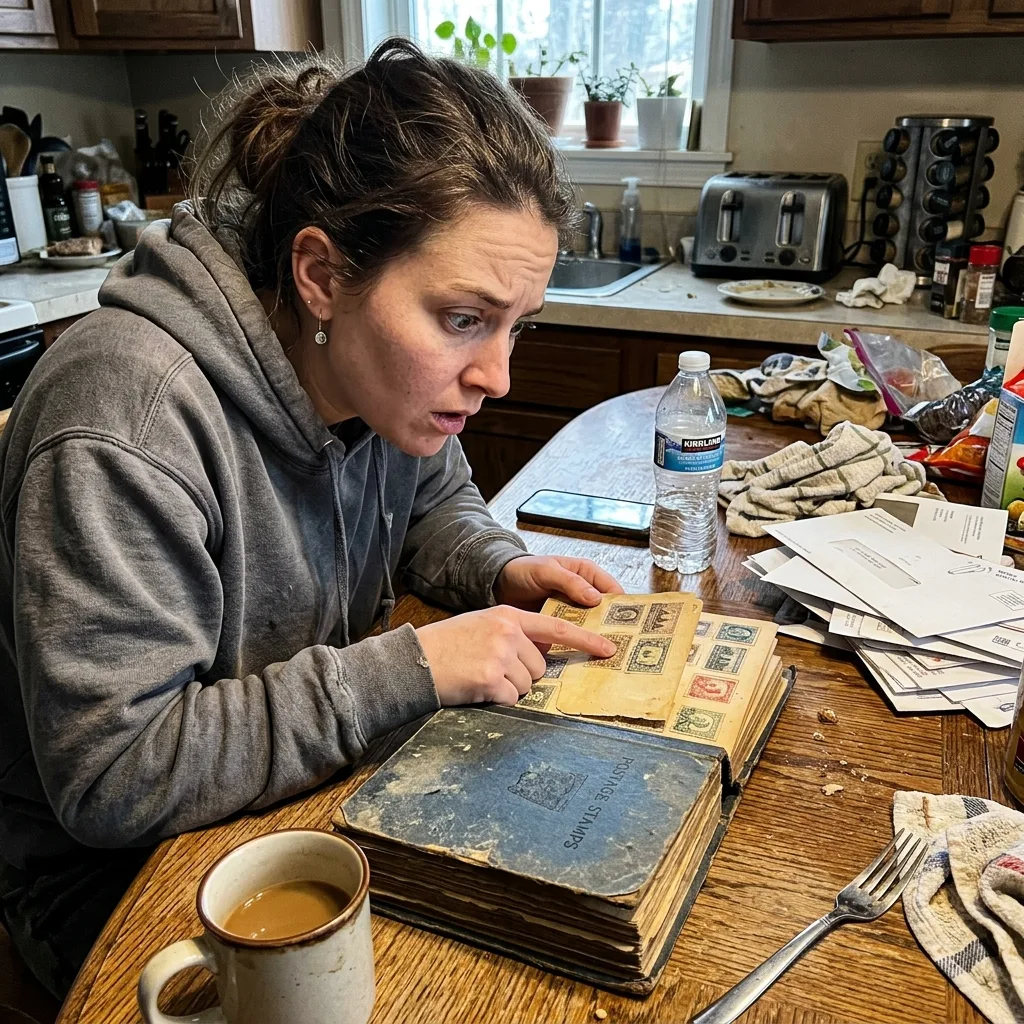
If you inherited albums of old postage and are tasked with valuing a stamp collection, you probably want to know immediately if you hit the jackpot or just acquired a stack of worthless paper. We see families get their hopes up every single day.
They discover a dusty old album hidden in an attic and assume it holds enough wealth to buy a new house.
According to data compiled by the American Philatelic Society, the reality is far less glamorous. The overwhelming majority of modern commemorative stamps printed after 1930 hold absolutely zero real resale value.
Millions of these were printed and hoarded by enthusiasts.
But buried among the common issues, there are still hidden gems that command serious money. You just need to know exactly what to look for and how to protect it.
However, a single microscopic flaw can destroy a stamp’s worth entirely—a detail most beginners miss until it is too late.
If you inherited albums of old postage and are tasked with valuing a stamp collection, you probably want to know immediately if you hit the jackpot or just acquired a stack of worthless paper. According to data compiled by the American Philatelic Society, the overwhelming majority of modern commemorative stamps printed after 1930 hold absolutely zero real resale value.
How to Quickly Assess If Your Stamp Collection Has Value
The fastest way to separate the trash from the treasure involves checking the original issue date. Stamps issued prior to 1930 generally carry much more weight in the global collector market.
Printing quantities were significantly lower back then, making survival rates much smaller today.
You must also evaluate mint vs used condition right away. A piece preserved in flawless Mint Never Hinged (MNH) condition will almost always outperform a heavily postmarked alternative.
Unused postage retaining its full original adhesive holds the absolute highest premium among serious buyers.
High denominations usually signal genuine scarcity and higher market demand. A five-dollar stamp from 1890 tells a very different story than a three-cent stamp from 1950.
If your albums are filled entirely with standard, mid-century domestic postage, expect very little financial return. Focus your energy on identifying the oldest, highest-value pieces first.
The Role of Condition: Centering, Gum Condition, and Cancellations
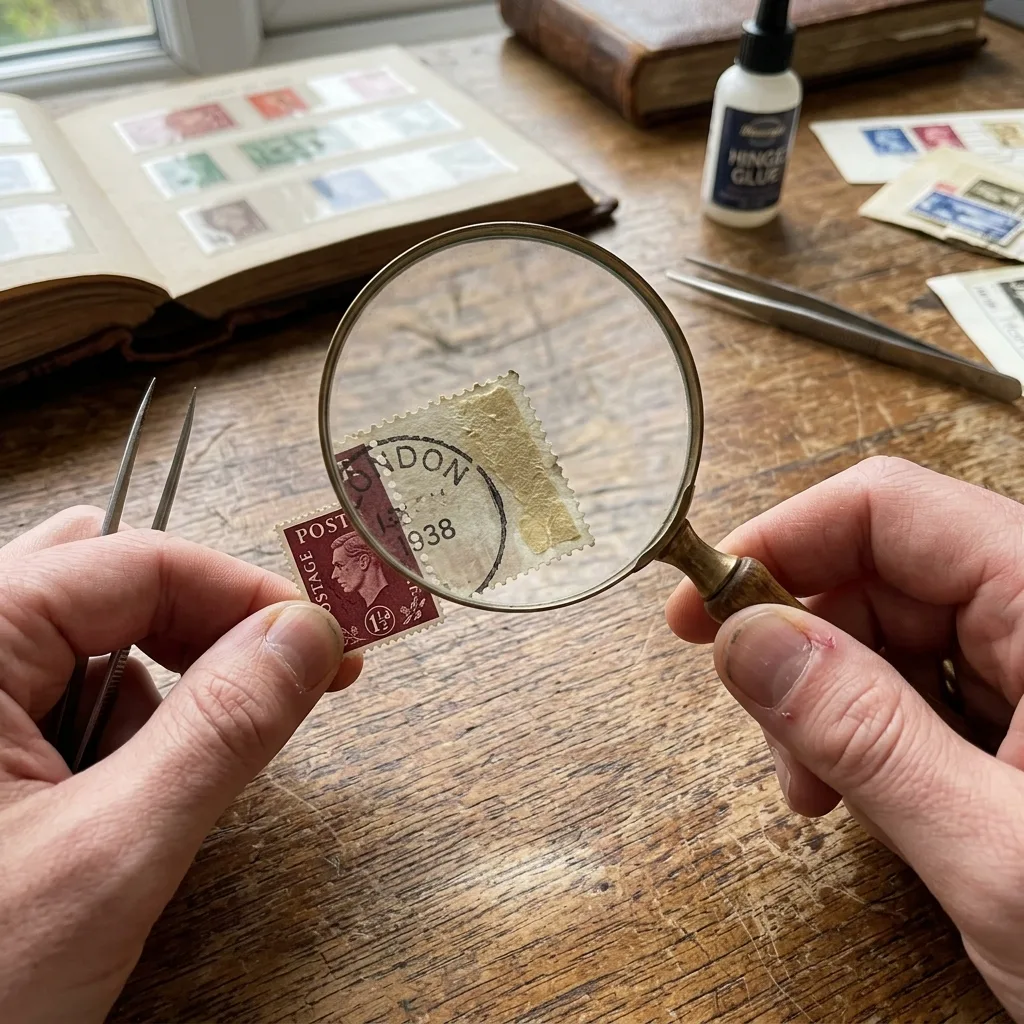
Condition dictates absolutely everything in the modern world of philately. An otherwise incredibly rare issue drops to mere pennies if it suffers from poor centering.
Centering refers directly to how perfectly the printed design sits within the surrounding white margins. If the design shifts too close to the perforations, collectors lose interest rapidly.
You must inspect the reverse side of every single piece carefully. The gum condition heavily influences the final price tag you can expect.
Faded surface colors, tiny paper thins, or heavy black cancellations completely obscuring the central portrait ruin the visual appeal. Elite collectors demand perfection and will heavily penalize even the smallest visible defect.
Even hidden security features like watermarks deeply impact the final rarity and price. Before you consult a professional buyer or attempt to sell anything online, we strongly recommend understanding stamp grading and condition to set highly realistic expectations.
Catalog Value vs. Real Market Value
Beginners frequently make a massive financial mistake when researching their inherited items. They look up a specific piece in a standardized stamp catalogue, see a $100 price tag, and assume they have $100 in cold cash.
Reality works very differently in the actual collectibles market.
Standard reference guides like the Scott Catalogue or Stanley Gibbons provide an idealized retail estimate. They absolutely do not represent a guaranteed cash buyout from a local dealer.
These massive books simply document the absolute maximum retail price a dedicated collector might pay for a flawless, authenticated specimen.
When you sell directly to a professional buyer, you face a substantial dealer margin. Dealers typically buy collections at a tiny fraction of catalog estimates—often just 10% to 20% of the listed book value.
They require this massive margin to cover their overhead, long-term inventory costs, and inherent market risk. If you plan on using the Scott Catalogue, treat the published numbers as relative rarity indicators rather than an actual bank balance.
5 Actionable Steps to Sort and Organize Your Stamps
Never rip stamps off their original paper envelopes or yank them out of old albums forcefully. Careless physical handling destroys historical value instantly.
You must treat every single piece like a fragile, irreplaceable historic artifact. Follow this straightforward sorting process to thoroughly protect your investment:
- Wash your hands thoroughly and use professional philatelic tongs, never your bare fingers.
- Separate the loose stamps carefully from the structured, bound albums.
- Group any bulky first day covers into their own separate pile, as they require distinct evaluation criteria.
- Check the back of mounted items for harmful old hinges that might permanently tear the fragile paper upon removal.
- Store everything completely flat in a dry, temperature-controlled environment far away from direct sunlight.
Investing time in proper stamp preservation prevents your inherited assets from degrading into worthless, brittle scraps.
Where to Find Trustworthy Appraisal Services
Never walk into a local pawn shop or generic antique store expecting a fair financial assessment. These generalists completely lack the highly specialized knowledge required to spot microscopic printing varieties.
You need dedicated appraisal services equipped with proven, decades-long philatelic expertise.
Look strictly for full-time professionals affiliated with globally recognized organizations like the Philatelic Traders’ Society. Membership in these elite societies requires strict adherence to ethical buying guidelines.
For high-end collections, consigning your material directly to an established auction house often yields the highest final cash price. A live auction environment forces serious, well-funded collectors to bid directly against each other.
This fierce competition naturally drives prices upward for genuinely rare items. Always demand a formal written appraisal document detailing exactly how the expert arrived at their specific financial figures.
Should You Use AI Grading Tools for Stamp Valuation?
The 2026 stamp market looks vastly different than the traditional hobby of the 1990s. With alternative asset investing booming globally, modern collectors increasingly turn to advanced technology.
Many tech-savvy buyers now utilize AI grading tools to quickly scan and identify rare variants.
These digital scanners can rapidly catch obvious centering issues and identify common designs almost instantly. However, they still struggle significantly with detecting subtle gum disturbances or faintly overlapping postmarks.
AI simply cannot fully replace the highly trained eye of a seasoned philatelist just yet.
While digital technology provides a fantastic starting point for massive bulk sorting, human expertise remains absolutely mandatory. You must always secure a professional physical inspection before any serious money changes hands in modern online stamp auctions.
Next Steps for Your Inherited Collection
Sorting through an inherited accumulation demands extreme patience and a very healthy dose of realism. You now know exactly what destroys value and where the actual money hides.
The days of trusting generic price guides blindly are completely over.
Stop guessing and start organizing your material safely today. If you suspect you hold something genuinely rare, stop handling it immediately to prevent accidental physical damage.
Secure the albums in a dry, safe location until you secure professional help.
Frequently Asked Questions
How do I know if my stamp collection is worth anything?
You can quickly determine value by looking for older stamps (pre-1930), high denomination stamps, and those in Mint Never Hinged (MNH) condition. Most modern commemorative stamps have little resale value.
Should I use a stamp catalogue to value my collection?
While the Scott Catalogue or Stanley Gibbons are great for identification, remember that catalog value is often much higher than the real market value or what an auction house will pay.
Where is the best place to get a stamp collection appraised?
For valuable collections, consulting reputable appraisal services or an established auction house is recommended. Avoid local pawn shops, as dealer margins will significantly reduce your payout.
Does gum condition affect a stamp’s value?
Yes, gum condition is critical for unused stamps. A stamp in Mint Never Hinged (MNH) condition with original, undisturbed gum is worth significantly more than a hinged or regummed stamp.
Are first day covers valuable?
Most common first day covers from the mid-20th century onwards are worth very little. However, rare early covers or those with unique cachets and cancellations can hold higher value.
Get our latest guides, news, and insights highlighted in your Google Search & AI Overviews.