
Are Commemorative Stamps Worth Anything?
Are commemorative stamps worth anything? The brutal truth is that most modern commemorative issues only hold their printed face value.
The USPS printed them by the hundreds of millions. This massive supply vastly outstrips demand, eliminating any premium for collectors.
However, specific historical exceptions and rare errors exist that can fetch thousands of dollars at auction.
Are commemorative stamps worth anything? The brutal truth is that most modern commemorative issues only hold their printed face value. The USPS printed them by the hundreds of millions, eliminating any premium for collectors. However, specific historical exceptions and rare errors exist that can fetch thousands of dollars at auction.
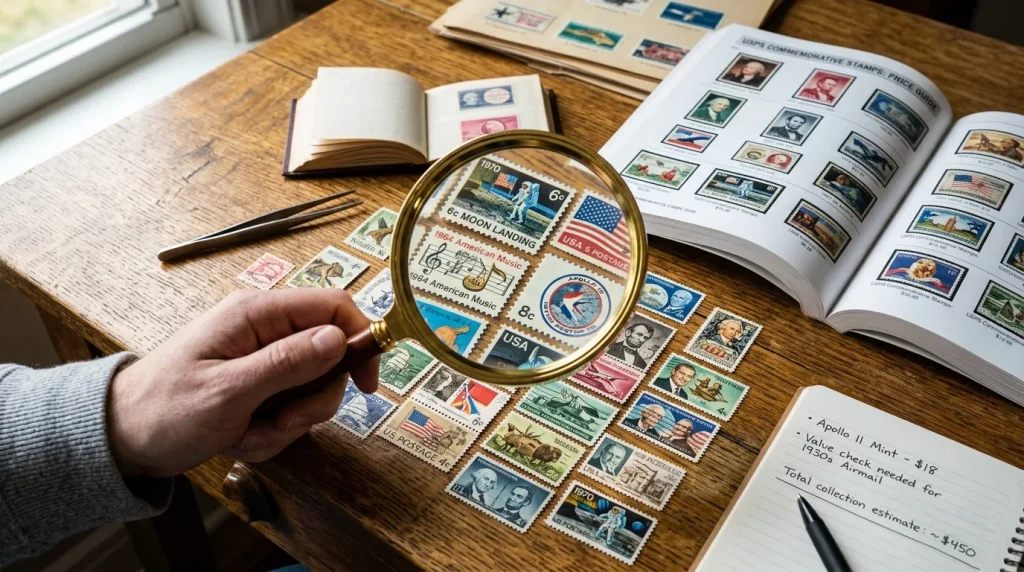
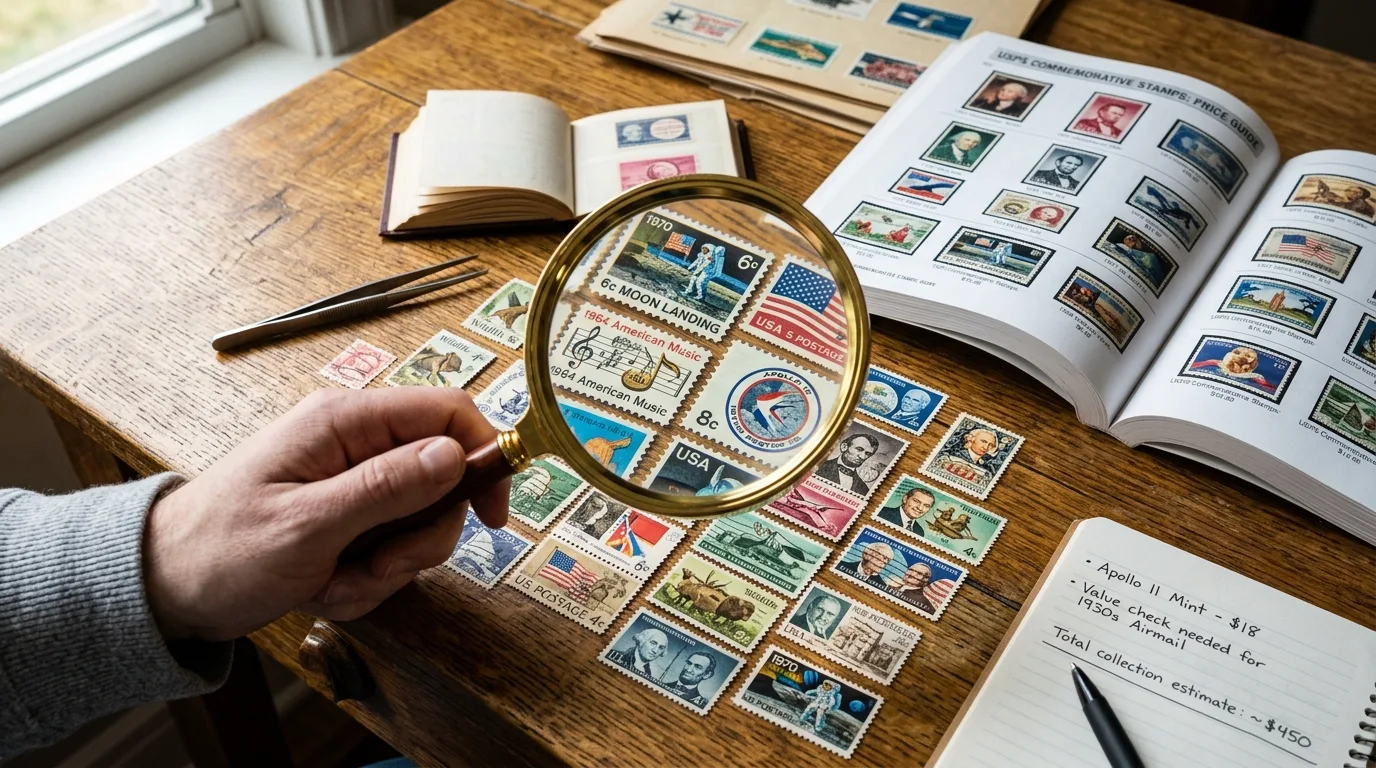
We hear the same story every week. A relative passes away, leaving behind a dusty album packed with colorful releases from the 1970s and 80s.
You flip through pristine pages of space exploration and wildlife themes. You assume you just inherited a small fortune in the world of philately (the study of stamps).
You might even start calculating how much this windfall will pad your savings account. But before you book an appraisal appointment, you need to understand how the market actually treats these mass-produced items.
A single detail dictates whether that album holds genuine wealth or just enough postage for holiday cards. And that tiny, easily overlooked detail is waiting for you in the very next section.
Why Most Commemorative Issues Sell for Face Value
The reality of modern commemorative issues comes down to basic math. During the mid-to-late 20th century, postal services worldwide realized that selling stamps directly to collectors generated pure profit.
People bought them, placed them in albums, and never used them for postage. Entire generations hoarded these sheets as investments, mistakenly believing they would fund college tuitions or retirements.
To maximize this revenue stream, agencies cranked up the print run on nearly every new design. When hundreds of millions of copies flood the market, rarity vanishes.
This oversupply forces the actual market value of these stamps to remain firmly tied to their face value. You might check a stamp guide and see a catalog value of $1.00 for a stamp you own.
Unfortunately, catalog values represent retail prices charged by dealers. They factor in overhead and labor, not cash paid to you. Today, even many modern Forever stamps sit in dealer discount bins. If you want to turn a profit, you need to look beyond the standard issues.
The Role of Rarity, Print Run, and Market Value
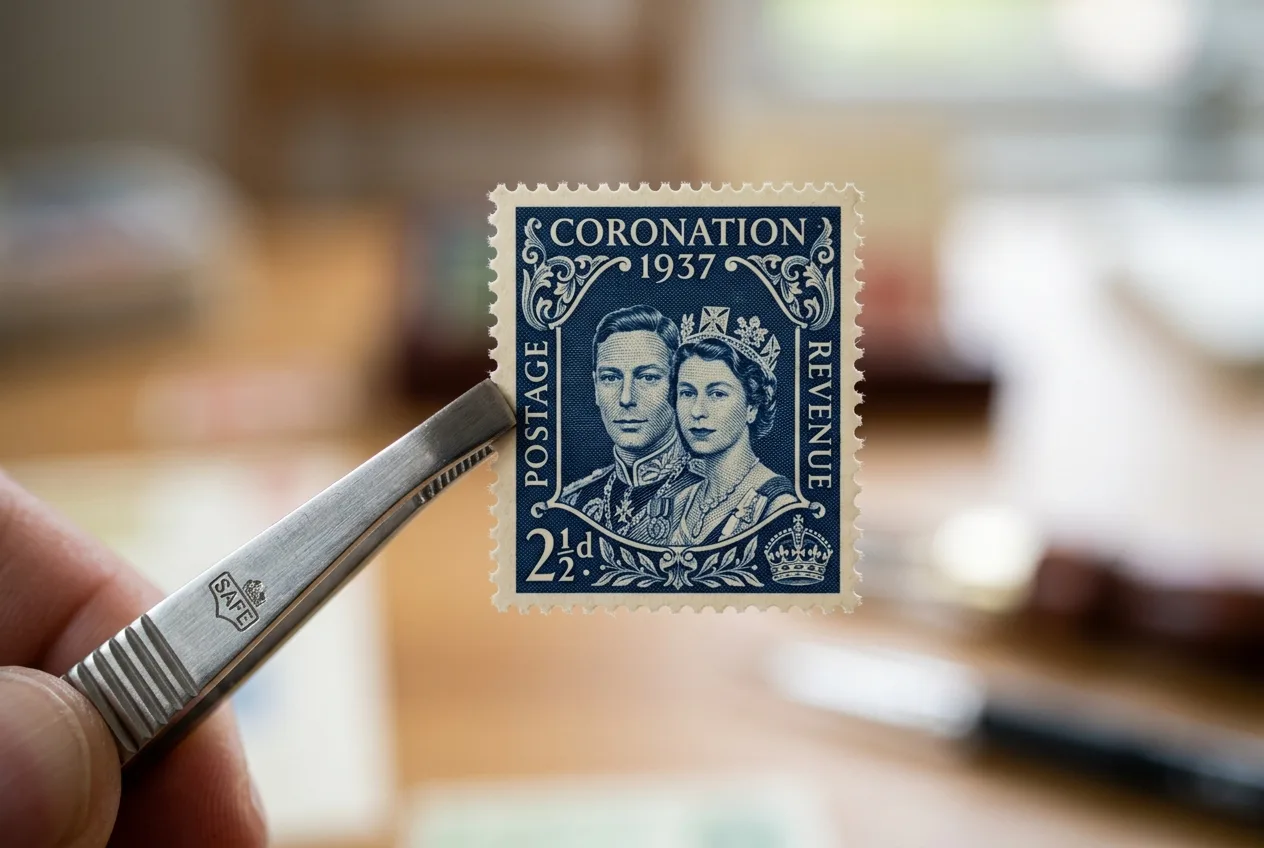
While mass production ruins the investment potential of most modern stamps, genuine scarcity drives prices into the stratosphere. Market value relies almost entirely on rarity.
This stems from an exceptionally low initial print run or an unintentional manufacturing mistake. Modern quality control makes errors practically non-existent today, further driving up the premium on historical mistakes.
Take the famous Inverted Jenny, for example. This 1918 error features an airplane printed upside down. Because inspectors caught the mistake early, only one sheet of 100 stamps reached the public.
That extreme scarcity turns a piece of paper into a museum-quality artifact. Want to learn more about these historical anomalies? Examine some rare million dollar stamps to see what wealthy collectors hunt for.
Beyond famous design inversions, buyers constantly search for perforation errors (missing holes along the edges) or missing color layers. These genuine flukes create the high-dollar exceptions to the face-value rule.
How to Check if Your Commemorative Stamps Have Mint Condition and Original Gum
Even if you possess a stamp with a low print run, physical damage obliterates its worth. Serious collectors demand mint condition pieces.
This means the stamp must look exactly as it did the moment it left the printing press.
| Condition Factor | What to Look For |
|---|---|
| Original Gum | Verify the presence of sticky adhesive on the back. Moisture degrades value. |
| Never Hinged | Ensure no permanent marks from hinge papers used in old albums. |
| Centering | The design must sit perfectly balanced within the perforated borders. |
First, flip the stamp over. You need to verify the presence of original gum (the sticky adhesive applied at the factory). If moisture or improper storage degraded this adhesive, the value drops immediately.
Next, check if the stamp is never hinged. In the past, collectors used small folded pieces of paper (hinges) to mount stamps in albums. These hinges leave permanent marks on the gum, instantly disqualifying the stamp from top-tier grading.
Finally, analyze the centering. The design must sit perfectly balanced within the perforated borders. Torn edges, creases, or fading ruin grading. You might need to adjust your expectations and see what your old used stamps worth actually amounts to.
5 Steps to Appraise First Day Covers and Definitive Stamps
Inherited albums rarely contain just one type of stamp. You will often find a mix of special releases and standard daily postage.
Follow these steps to evaluate the variety in your collection:
- Identify the Format: Separate the First Day Cover (FDC) envelopes from the loose stamps. First day covers feature a commemorative stamp tied to an envelope by a dated postmark from its first day of issue.
- Inspect the Cachet: For FDCs, examine the artwork (cachet) on the left side of the envelope. Hand-painted or limited-edition cachets hold much higher premiums. Read up on your first day cover stamps value to understand cachet grading.
- Analyze the Postmark: A crisp, legible cancellation mark adds appeal to used historical stamps. However, modern lightly cancelled stamps generally hold zero premium because they lose their mint status.
- Sort the Definitives: Separate your large commemorative issues from the smaller definitive stamps (the standard workhorse stamps printed for years). Older 19th-century definitives often hold more value than large 1970s commemoratives.
- Check for Watermarks: Hold older definitive issues to the light. Hidden watermarks in the paper can distinguish a rare early printing from a worthless later reprint.
Common Myths About Inherited Stamp Collections
The biggest myth in the stamp world is that age automatically equals wealth. A 100-year-old stamp can still be completely worthless if the post office printed three billion of them.
Many non-collectors also assume that featuring a famous celebrity guarantees high demand.
People frequently ask about the iconic 1995 Hollywood releases. These designs are beautiful, but reality bites. You might be disappointed when checking your Marilyn Monroe stamps worth against current market data.
The USPS printed hundreds of millions of these commemorative issues, ensuring that anyone who wanted one got one. High demand during the initial release actually destroys long-term investment potential because it guarantees a massive surviving population.
Nostalgia and aesthetic appeal do not translate to high auction bids. In fact, thematic collections featuring sports cars, trains, or space shuttles often appeal more to niche hobbyists than serious philatelic investors.
Should You Sell, Keep, or Use Your Commemorative Stamps?
You now know the harsh reality facing most modern collections. If your albums hold pristine sheets from the 1960s onward, your best financial move is often the simplest one.
Use them for postage. As long as they remain unused, they still retain their exact face value for mailing letters and packages. You can drastically cut your shipping costs by utilizing these miniature pieces of art.
Feel emotionally attached to the collection? Keep it as a beautiful family heirloom and enjoy the history it represents.
But if you suspect you hold a genuine pre-1930s rarity, skip the internet guesses and hire a certified philatelic appraiser. They will tell you definitively if you struck gold, or just found a colorful way to mail bills.
Frequently Asked Questions
Are 1990s commemorative stamps worth anything?
Most 1990s commemorative stamps were printed in massive quantities, meaning their market value is typically equal to or slightly below their face value. Unless you have rare perforation errors or mint condition blocks, they are best used for everyday postage.
How much are 50 year old stamps worth?
A 50-year-old stamp isn’t automatically valuable. Many mid-century definitive stamps and commemorative issues were heavily saved by collectors. Their catalog value might only be a few cents unless they feature unique cancellation marks or extreme rarity.
Are cancelled commemorative stamps worth money?
Lightly cancelled commemorative stamps usually have very little financial value because they lack original gum and mint condition status. However, certain rare early issues or highly sought-after First Day Covers can still fetch a premium at auction.
What should I do with inherited commemorative stamps?
If you inherited a collection, first identify if the stamps are sorted by face value. Most modern commemorative stamps can be used for mailing. For older albums, consult a professional to check for hidden gems or valuable mint condition sheets.
Are First Day Covers more valuable than regular stamps?
First Day Covers (FDCs) can be more valuable than loose stamps, but it depends on the cachet artwork and the rarity of the cancellation mark. Many common FDCs from the 1970s onwards sell for just a few dollars each on the open market.
Get our latest guides, news, and insights highlighted in your Google Search & AI Overviews.