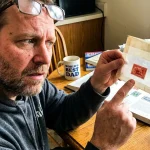
To succeed in buying and selling stamps, the most important first step is understanding exactly what you have so you can avoid being severely undervalued by opportunistic buyers.
To succeed in buying and selling stamps, understanding exactly what you have is the crucial first step. If you are liquidating an inherited collection or hunting for a Penny Black, the philatelic market requires highly specialized knowledge to navigate safely and profitably.
If you are liquidating a recently inherited collection or simply hunting for a legendary Penny Black, the philatelic market requires highly specialized knowledge to navigate safely and profitably.
We found that families rushing to sell old albums routinely lose thousands of dollars simply because they do not know how professional dealers calculate prices.
One critical mistake during the initial sorting phase practically guarantees you will be scammed out of your portfolio’s true financial worth—and it happens before you even walk into a buyer’s shop. Do you know the single detail that separates a worthless piece of paper from a priceless historical artifact?
What is the Best Way to Start Buying and Selling Stamps?
The best way to start buying and selling stamps is to educate yourself on condition grading systems, consult reputable independent price guides, and connect with certified dealers or local stamp clubs rather than rushing to general antique buyers.
Many beginners make the fatal error of taking their vintage albums to the closest local buyer, completely unaware of the massive loss in potential revenue they are about to incur.
You should absolutely avoid selling stamps to pawn shops, as these businesses lack the specialized philatelic knowledge required to accurately price rare or unusual items.
Instead, build relationships within dedicated stamp clubs and online collector communities. These groups offer invaluable, unbiased advice for navigating the market safely, helping you identify trusted appraisers and ensuring your first transactions are fair, transparent, and profitable.

Understanding Catalog Value vs. Market Value
A frequent trap for new sellers is confusing the official catalog value with the actual market value. When you look up an item in the Scott Catalogue, Stanley Gibbons, or the Michel Catalog, the price listed is typically a reference point for a pristine, perfectly centered specimen sold by a retail dealer.
It does not represent what a dealer or private buyer will pay you in cash today.
In reality, market value is driven by current collector demand, sheer rarity, and market liquidity. A stamp listing for $100 in a standard reference book might only fetch $20 to $30 in a real-world transaction, as dealers must factor in their own overhead, holding costs, and profit margins.
To get a realistic estimate of what active buyers are willing to pay right now, cross-reference your findings with a comprehensive collectible postage stamps price guide. This strategy ensures you set accurate expectations and completely protect yourself from aggressively lowball offers.
Crucial Stamp Condition Factors: Mint Never Hinged and Original Gum
The total financial return of your portfolio relies heavily on exact stamp condition. A seemingly identical pair of stamps can have drastically different valuations based on microscopic, barely visible details.
For instance, a flawless, mint never hinged (MNH) specimen will always command a massive premium over one that has been previously mounted in an album or handled carelessly by previous owners.
Serious collectors place immense monetary value on the pristine presence of original gum—the undisturbed layer of adhesive on the back of the stamp.
- Hinge marks: Disturbance from old albums.
- Paper thins: Weak spots in the paper.
- Tiny tears: Microscopic rips that slash market price by more than half.
Even an incredibly rare and historically significant piece like the 1-cent Z-Grill is meticulously graded on its image centering and physical integrity. Always handle your pieces with extreme care, as a single oily fingerprint or accidental crease can instantly destroy a large percentage of their auction value.
How to Get an Expert Appraisal for an Inherited Collection
Before you finalize any sales decisions or accept cash offers, securing an objective expert appraisal is absolutely non-negotiable. This step is especially critical if you are dealing with unfamiliar vintage albums accumulated over decades.
Professional appraisers evaluate your collection line by line, providing a certified, legally recognized document that outlines the realistic financial worth of the assets based on recent auction realizations.
We strongly recommend finding an accredited professional through a recognized global organization like the American Philatelic Society. These certified experts adhere to strict ethical codes and are thoroughly trained in spotting replica stamps or outright sophisticated forgeries that routinely deceive untrained eyes.
A formal, documented appraisal gives you the exact leverage needed to negotiate confidently with potential buyers, ensuring you are never taken advantage of during the final transaction.
Where to Sell: Auction Houses, Philatelic Dealers, or eBay
Choosing the optimal sales channel depends entirely on the verified caliber and total value of your collection. For highly valuable, graded rarities or complete specialized portfolios, consigning your items to a reputable auction house or arranging a discreet private treaty is usually the safest and most lucrative route.
These established methods expose your items to serious, well-funded collectors who are willing to pay top dollar for verified, premium quality.
If you are looking for a faster, simpler liquidation process, selling directly to established philatelic dealers is a solid option. Be aware that dealers will purchase at wholesale rates—typically 40% to 60% of retail—to maintain their business profit margins.
Conversely, listing inventory on eBay allows you to reach a massive global audience and strictly control your own asking prices. However, you must actively factor in the platform’s seller fees, international shipping logistics, and the extensive time required to create compelling, highly accurate listings for each individual item.
Tools of the Trade: Stamp Albums and Magnifying Glasses
Maintaining the pristine integrity of your collection requires investing in the proper philatelic tools before you even attempt to sort them. Never handle fragile, century-old paper with your bare hands; the natural oils and moisture from your skin can cause irreversible chemical damage over time.
Instead, use specialized, flat-spade tongs designed specifically for delicate maneuvering without puncturing the paper.
Proper long-term storage is equally critical for preserving value. High-quality stamp albums equipped with acid-free mounts or rigid stock books protect your assets from high humidity, dust, and accidental bending.
Additionally, a strong magnifying glass or professional jeweler’s loupe is an essential tool for inspecting tight perforations, hidden watermarks, and subtle printing variations that dictate rarity. These simple, inexpensive tools empower you to assess your own items accurately before presenting them to a strict buyer.
2026 Market Trends: Digital Certificates and Commemorative Issues
The global philatelic landscape is currently experiencing a massive technological shift. We are seeing a rapid surge of interest in hybrid collecting platforms that directly blend physical paper items with NFT-style digital certificates.
These secure, blockchain-backed records verify true authenticity and chain of provenance, making it significantly harder for scammers to pass off counterfeit goods in the modern digital marketplace.
Furthermore, the upcoming U.S. 250th anniversary has sparked renewed, aggressive enthusiasm for specific commemorative issues. As we move deeper into 2026, both new investors and veteran collectors are actively hunting for historical pieces connected to major national milestones and early postal history.
Staying highly informed about these evolving market trends allows you to time your sales perfectly, capitalizing on sudden price spikes driven by specific thematic demand.
Final Thoughts on Liquidating Your Stamp Portfolio
Successfully liquidating a historical stamp portfolio requires deep patience, careful research, and a healthy dose of market skepticism. By understanding the true difference between reference book catalogs and actual cash payouts, you effectively shield yourself from predatory lowball offers.
Always prioritize seeking out professional, certified appraisals and utilize the correct protective gear to preserve the fragile condition of your assets.
From auctioning high-end, graded rarities to listing bulk mixed lots online, arming yourself with precise knowledge is your absolute best defense. Take your time to thoroughly verify your buyers and their credentials, and you will confidently maximize the financial return on your historical investments.
Frequently Asked Questions
How much are my old stamps worth?
The value of old stamps depends on catalog value versus actual market demand, stamp condition (such as mint never hinged), and rarity. An expert appraisal is recommended for any inherited collection before you consider buying and selling stamps on your own.
Where is the best place to sell a stamp collection?
The best place to sell depends on the collection’s value. High-value stamps are best sold through an auction house or private treaty with philatelic dealers, while common stamps can be sold on online marketplaces or to local stamp clubs.
Do pawn shops buy stamps?
While some pawn shops may buy stamps, they typically offer far below market value because they lack specialized philatelic knowledge. You will almost always get a better return by consulting certified philatelic dealers or reputable auction houses instead.
What makes a stamp valuable?
A stamp’s value is determined by its scarcity, historical significance, and condition. Key condition factors include whether it has its original gum, the centering of the design, and the absence of tears, thins, or cancellation marks.
How do I know if my stamp is rare?
To identify rare stamps, consult reference materials like the Scott Catalogue or Stanley Gibbons. Look for specific watermarks, perforations, or printing errors. For definitive identification, especially with high-value items, securing a professional expert appraisal is the safest approach.
Get our latest guides, news, and insights highlighted in your Google Search & AI Overviews.