
The Brutal Truth About Stamp Values: 2026 Collectible Postage Stamps Price Guide
Inheriting a sprawling philatelic collection often brings awe. You flip through albums filled with tiny pieces of history and wonder about their significance. If you are searching for a reliable collectible postage stamps price guide, you must first understand a harsh reality.
Most historical stamps accumulated by casual hobbyists over the past century carry little monetary weight beyond their face denomination. However, hidden among those common issues could be a gem that commands thousands of dollars at auction. Understanding the mechanics of philatelic valuation empowers you to separate worthless paper from historical treasure.
What Are My Stamps Worth? A Collectible Postage Stamps Price Guide Breakdown
Age does not equal wealth. A stamp produced in the late eighteen hundreds might only be worth pennies if printed in the millions. To assess your collection, transition from viewing items as old paper to analyzing them as historical artifacts. Actual worth depends on how many copies survive and their physical state. Determining a figure requires meticulous inspection, complex grading standards, and a realistic view of buyer demand.
The 6 Critical Factors That Determine Stamp Value (Condition, Rarity, and Centering)
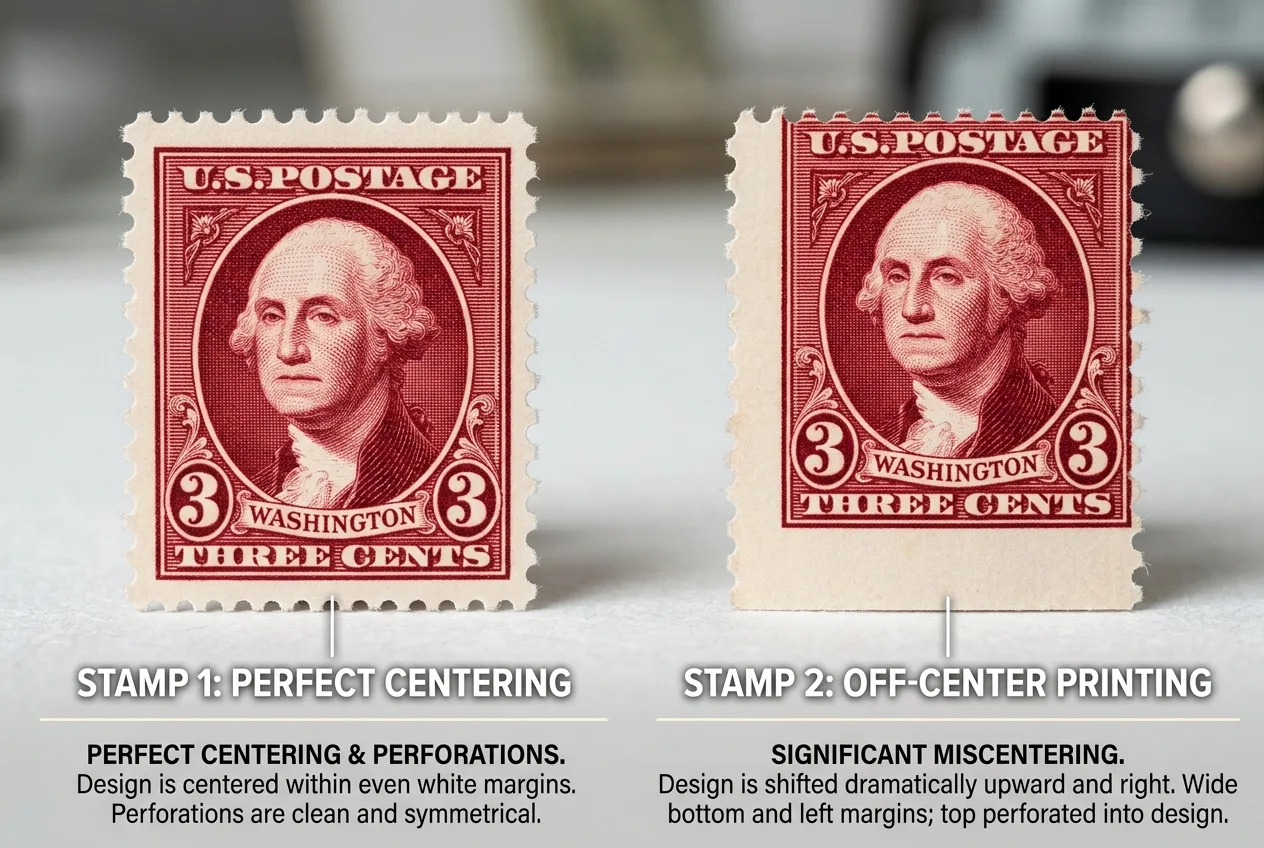
Professional philatelists utilize a strict grading system that forms the foundation of any collectible postage stamps price guide. The most important metric is condition. A flawless specimen fetches astronomical figures; a stamp with a tear is financially irrelevant. Rarity is the second pillar. When evaluating condition, experts scrutinize four traits:
- First is centering, how perfectly the printed design sits within the margins.
- Second is the state of the perforations, which must be fully intact.
- Third is the status of the gum, the adhesive on the back.
- A mint condition stamp should ideally retain its original pristine adhesive. Any disturbance severely reduces the ultimate payout.
Catalog Value vs. Real Market Price: Using Scott Catalogues and eBay Sold Listings
The catalog value in standard reference books represents an idealized retail price for a spectacular specimen sold by a professional dealer. It does not represent what you will receive. To bridge this gap when using a collectible postage stamps price guide, consult the Scott Catalogues to identify items, but look elsewhere for realistic market data.
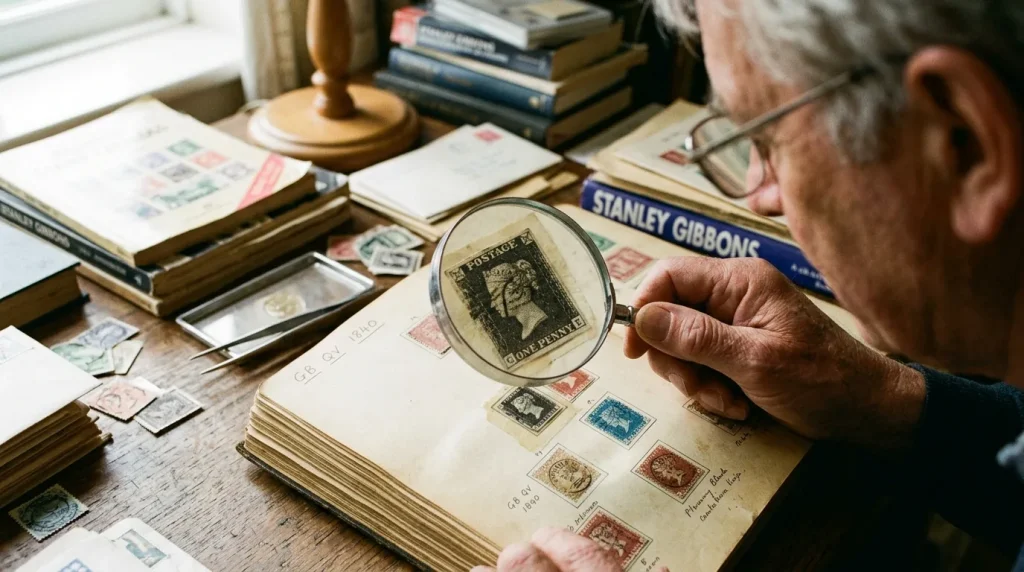
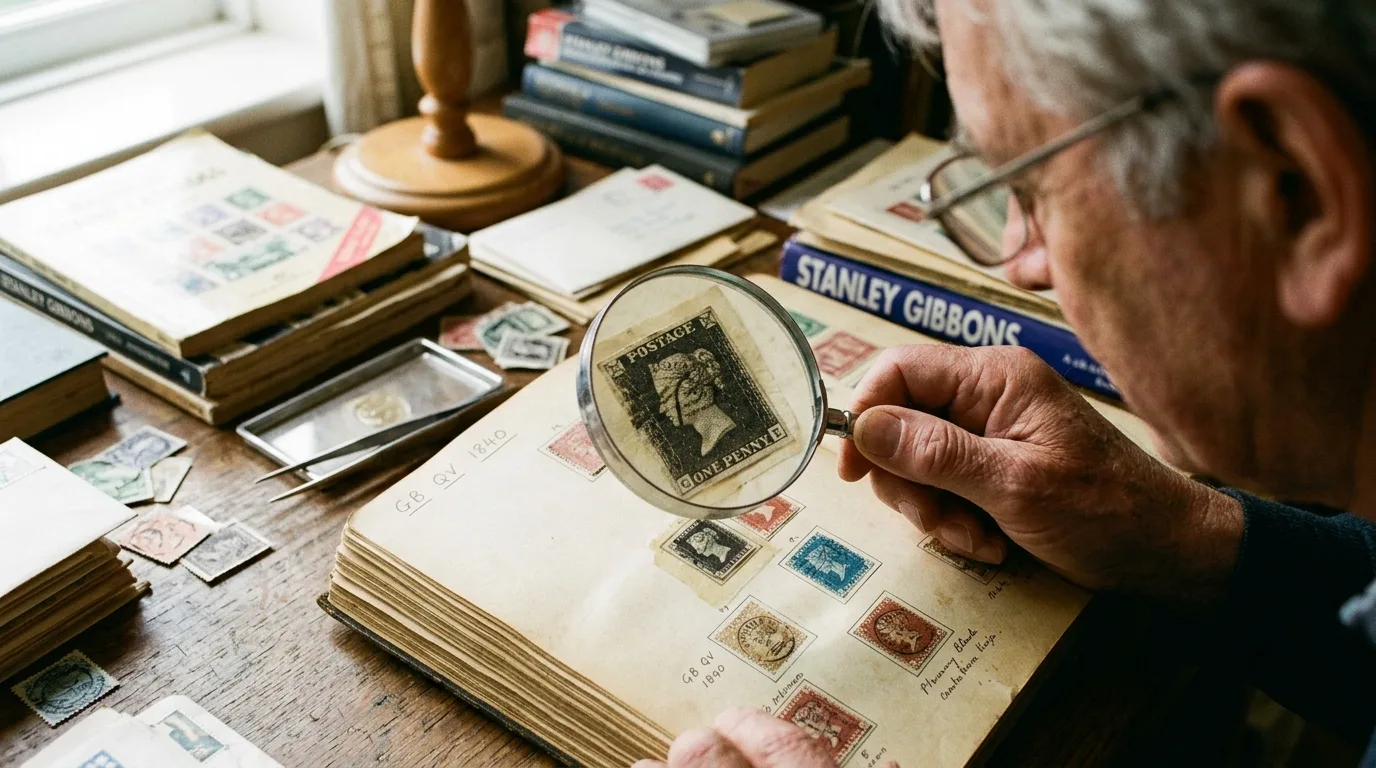
The most accurate gauge of current market sentiment is checking actual eBay sold listings. International collectors rely heavily on Stanley Gibbons for regional issues, but the principle remains identical: published estimates are theoretical maximums, whereas auction prices reflect the undeniable reality of buyer willingness.
DIY Digital Appraisals: Online Databases and Tools to Use
The digital transformation of philately has democratized access to valuation data. You no longer need to rely solely on an expensive printed collectible postage stamps price guide. Numerous online databases provide extensive, searchable archives of past transactions and detailed visual identification guides. For those looking to buy or sell, platforms like HipStamp offer specialized marketplaces with transparent pricing histories. Organizations such as the Philatelic Traders’ Society (PTS) provide directories of verified experts, ensuring the information you gather is backed by professional standards. Utilizing these digital avenues allows you to conduct a comprehensive initial appraisal from home.
How to Identify Your Stamps and Find Their Scott Number
Before assigning any monetary figure, you must identify it precisely. Finding the correct Scott number is the foundational step of all philatelic research. This unique identifier categorizes every authorized postal release by country, year, and design. Identifying the correct number can be complex due to microscopic variations in printing methods, watermarks, and paper types. Publishers like H.E. Harris offer simplified identification guides that serve as excellent starting points. Pay special attention to commemorative issues, which were often printed in smaller batches for specific events. Earlier examples can occasionally surprise you with their scarcity.
Common Myths About Old Postage Stamps (Why Most Are Worth Face Value)
Another common point of confusion arises when individuals try to determine a 1-cent stamp worth. A single penny denomination from the nineteen forties is worth exactly one penny, whereas a specific one-cent issue from the eighteen fifties could be a museum piece. The American Philatelic Society (APS) emphasizes that extreme rarity is the exception.
When Should You Pay for a Professional Stamp Appraisal?
Certain situations demand the expertise of a seasoned professional, even if you’ve consulted a collectible postage stamps price guide. Attempting to sell a historic artifact without professional authentication is a severe financial risk. For instance, when valuing international stamps like Russian issues, identifying forged overprints requires years of specialized study. Similarly, navigating George Washington stamp values requires differentiating between dozens of nearly identical designs. Determining precise collectible duck stamp prices involves understanding highly specific grading parameters unique to revenue issues. If your collection contains very early or historically significant items, paying an upfront fee for a formal appraisal guarantees you do not inadvertently give away a fortune.
Why Most Old Postage Stamps Aren’t Worth What You Think
It is a common misconception that age equates to value. In truth, most old stamps have little to no value. During the 20th century, postal services printed stamps in massive quantities, flooding the market. As highlighted in any comprehensive old postage stamp value guide, the true value lies instead in finding rare stamps, evaluating pristine stamp condition (such as mint vs used), and the presence of unique printing errors.
The Big Three: Factors That Actually Drive Stamp Value (Condition, Rarity, Demand)
When appraising a collection, focus on the Big Three. Condition is the absolute king—minor flaws can drastically reduce value. Rarity dictates scarcity, meaning there are fewer available for any given Sběratel (Collector). Finally, market demand plays a huge role; even a rare stamp won’t command a high price if no one wants to buy it. Together, these factors make or break a philatelic appraisal.
Essential Stamp Grading Terminology (Mint Never Hinged, Hinged, Used)
Stamp condition is paramount when grading. Mint Never Hinged (MNH) is the most valuable condition, indicating the stamp has its original gum and has never been mounted. Conversely, damaged stamps or those with heavy cancellation marks are often worthless. Interestingly, this terminology across languages reflects similar grading priorities: for instance, in Czech, collectors use ‘Svěží’ for MNH, ‘S nálepkou’ for Hinged, and ‘Razítkované’ for Used.
The Best Stamp Value Catalogues (Scott, Stanley Gibbons, Pofis)
Consulting the right reference material is critical in philately. Important catalogues to reference include the Scott Catalogue (which is the US standard) and Stanley Gibbons (the UK standard). For collectors dealing with regional issues, local catalogues like Pofis (the Czech standard) are indispensable for accurate identification of watermarks, perforations, and ultimate valuation.
How to Check Real-World Prices vs. Catalogue Values
It’s a crucial rule: catalogue prices shouldn’t be taken literally. Real-world sold prices—such as eBay sold listings—are much more accurate and are often only 25-50% of the listed catalogue value. Catalogues represent an idealized retail scenario, while auction results reflect what buyers are actually willing to pay.
Where to Get a Professional Stamp Appraisal (Safely)
Professional appraisals are recommended for large or inherited collections. If you have a significant volume, a certified expert can provide a realistic philatelic appraisal. However, free online tools like StampWorld or Colnect are excellent starting points for amateur collectors wanting to do some initial research from home.
Warning Signs: How to Avoid Scams When Selling Your Collection
When the time comes to sell, collectors should be extremely cautious of “free” appraisals from dealers who immediately offer to buy the collection on the spot. This presents a massive conflict of interest, as the dealer is incentivized to underprice the collection to maximize their own profit. Always seek an independent appraisal first.
Summary: Protecting and Valuing Your Philatelic Investment
Always remember that every single piece in your album tells a unique story. Whether you ultimately decide to sell or keep them, maintaining their pristine condition ensures that future generations will also be able to appreciate them perfectly. Using a reliable collectible postage stamps price guide can protect you from making uniformed decisions. By preserving these artifacts, we preserve history itself. You can discover fascinating details about the world just by looking at these small paper treasures. This collectible postage stamps price guide serves as your starting point, but the world of philately is vast and constantly evolving. As you continue building your collection, refer back to your collectible postage stamps price guide to track evolving market trends.
Navigating the complex world of philatelic valuation requires patience, realism, and a willingness to learn. By understanding the critical importance of physical preservation and the stark difference between idealized estimates and actual market transactions, you can properly assess your holdings. Keep your albums stored in dry, temperature-controlled environments, handle everything with specialized tongs, and take your time researching each intriguing piece.
Frequently Asked Questions
How can I find the value of a postage stamp?
You can find the real market value of a postage stamp by identifying its Scott number, checking its physical condition (centering, perforations, and gum), and comparing it against recent eBay sold listings or consulting standard online databases.
Are my old postage stamps worth any money?
The brutal truth is that most common postage stamps are only worth their face value. However, rare collectible postage stamps with perfect centering, intact perforations, and high historical significance can be worth significant money to the right collector.
What is the most accurate collectible postage stamps price guide?
While the Scott Catalogues provide the industry standard for reference, the most accurate real-time price guide for buying and selling is looking at actual auction prices and completed sold listings on platforms like eBay and HipStamp.
Are all old postage stamps valuable?
No, age does not guarantee value. Most 20th-century stamps were printed in massive quantities and have little to no monetary value. Value is primarily determined by rarity, condition, and market demand.
What makes a stamp highly valuable?
The most valuable stamps are extremely rare, in pristine condition (Mint Never Hinged), or contain rare printing errors such as an inverted image.
How can I find out how much my stamp collection is worth?
You can start by checking standard catalogues like the Scott Catalogue or Stanley Gibbons, or looking at ‘sold’ listings on eBay. For a precise valuation, seek an appraisal from a reputable philatelic dealer or auction house.
What does ‘Mint Never Hinged’ mean?
‘Mint Never Hinged’ (MNH) means the stamp is in its original, perfect condition with intact gum on the back and has never been mounted in an album using a stamp hinge. These are the most valuable.
The content has undergone strict editorial control. Modern AI tools assist us in structuring and collecting data, but factual accuracy and final quality are always verified by a human.
This article was prepared by our editorial team. We specialize in deep research and information processing to bring you the most useful answers.
{
“@context”: “https://schema.org”,
“@type”: “FAQPage”,
“mainEntity”: [
{
“@type”: “Question”,
“name”: “How can I find the value of a postage stamp?”,
“acceptedAnswer”: {
“@type”: “Answer”,
“text”: “You can find the real market value of a postage stamp by identifying its Scott number, checking its physical condition (centering, perforations, and gum), and comparing it against recent eBay sold listings or consulting standard online databases.”
}
},
{
“@type”: “Question”,
“name”: “Are my old postage stamps worth any money?”,
“acceptedAnswer”: {
“@type”: “Answer”,
“text”: “The brutal truth is that most common postage stamps are only worth their face value. However, rare collectible postage stamps with perfect centering, intact perforations, and high historical significance can be worth significant money to the right collector.”
}
},
{
“@type”: “Question”,
“name”: “What is the most accurate collectible postage stamps price guide?”,
“acceptedAnswer”: {
“@type”: “Answer”,
“text”: “While the Scott Catalogues provide the industry standard for reference, the most accurate real-time price guide for buying and selling is looking at actual auction prices and completed sold listings on platforms like eBay and HipStamp.”
}
},
{
“@type”: “Question”,
“name”: “Are all old postage stamps valuable?”,
“acceptedAnswer”: {
“@type”: “Answer”,
“text”: “No, age does not guarantee value. Most 20th-century stamps were printed in massive quantities and have little to no monetary value. Value is primarily determined by rarity, condition, and market demand.”
}
},
{
“@type”: “Question”,
“name”: “What makes a stamp highly valuable?”,
“acceptedAnswer”: {
“@type”: “Answer”,
“text”: “The most valuable stamps are extremely rare, in pristine condition (Mint Never Hinged), or contain rare printing errors such as an inverted image.”
}
},
{
“@type”: “Question”,
“name”: “How can I find out how much my stamp collection is worth?”,
“acceptedAnswer”: {
“@type”: “Answer”,
“text”: “You can start by checking standard catalogues like the Scott Catalogue or Stanley Gibbons, or looking at ‘sold’ listings on eBay. For a precise valuation, seek an appraisal from a reputable philatelic dealer or auction house.”
}
},
{
“@type”: “Question”,
“name”: “What does ‘Mint Never Hinged’ mean?”,
“acceptedAnswer”: {
“@type”: “Answer”,
“text”: “‘Mint Never Hinged’ (MNH) means the stamp is in its original, perfect condition with intact gum on the back and has never been mounted in an album using a stamp hinge. These are the most valuable.”
}
}
]
}
Error: Contact form not found.
Get our latest guides, news, and insights highlighted in your Google Search & AI Overviews.