


Wondering what’s the value of a 1919 one cent stamp? The answer ranges from pennies to hundreds of dollars.
We frequently see people inherit these green George Washington stamps and struggle to price them accurately.
Most everyday copies printed on the standard Rotary Press hold little monetary worth. However, rare offset printing varieties (like Type V) are fetching surprising sums at auction. Identifying specific traits like Perforation 12.5 and an unwatermarked paper is crucial.
What Is the Value of a 1919 One Cent Stamp?
An unwatermarked Scott #536 with original gum in pristine shape commands a massive premium.
The exact auction price heavily depends on perfect centering and zero damage to the paper. Most standard copies you find in old albums are only worth a few pennies.
Collectors prioritize extreme quality when bidding on these century-old items. A flawless specimen will always break records, while a torn or heavily faded copy remains virtually worthless.
Disambiguation: 1919 Penny vs. 1919 One Cent Stamp
We often receive emails from beginners confusing this paper postage with the 1919 Lincoln wheat cent. Always double-check your collection to ensure you are researching the correct item.
- Green George Washington design
- Strictly philately (stamp collecting)
- Value depends on paper, printing, and cancellations
- Copper Lincoln coin
- Numismatic item
- Value based on mint marks and metal wear
How to Identify the Rare Offset Printing and Type V
During World War I, the postal service temporarily used Offset printing due to ink shortages. These prints look slightly blurry and smooth compared to crisp engraved lines.
If your stamp features this softer image, you might possess the elusive Type V. Recent estate sales show these specific variations are highly desirable.
You must look closely at the details around Washington’s toga button to spot the differences. The lines on the toga will appear less defined on offset prints.
3 Steps to Measure Perforations and Check Watermarks
To confirm you have the rare Scott #536, you must analyze its physical traits. Identifying these exact measurements separates a common stamp from a valuable treasure.
| Step | Action Required |
|---|---|
| 1. Check Watermarks | Verify the paper lacks a watermark completely. Read our guide on unwatermarked stamps for details. |
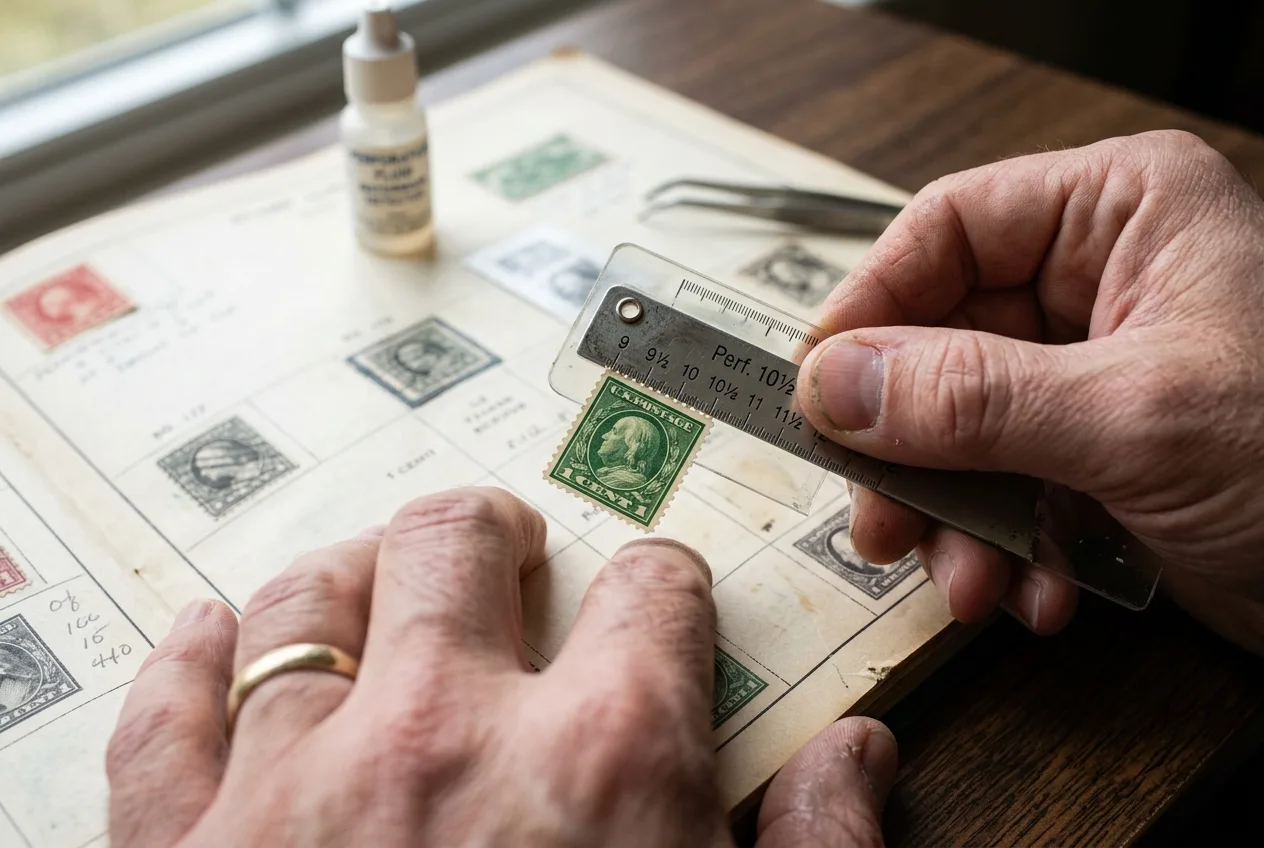
| 2. Measure Perforations | Use a specialized perforation gauge to check for Perforation 12.5 along the edges. |
| 3. Inspect Printing | If you need help, see our tutorial on measuring stamp perforations. |
Mint Condition vs. Used Condition: How It Affects Value
A stamp in mint condition retains its Original Gum on the back and shows no post office cancellation marks.
Conversely, specimens in used condition generally hold minimal value. They only become valuable if they feature a historically rare postmark.
Collectors always pay top dollar for flawless, unhinged examples.
Understanding Scott Catalog Value vs. Real Auction Prices
The official Scott Catalog provides a baseline estimate, but it rarely reflects immediate cash payouts. Learn more about how Scott Catalog numbers work to set these benchmarks.
Ultimately, the true Scott catalog value equals only what a willing buyer pays today.
Dealers typically offer a fraction of the catalog price, so expect to receive about fifty percent of the listed value during a direct sale. Always consult multiple experts before selling a rare piece.
Conclusion: Should You Grade Your 1919 Stamp?
Before paying high grading fees, examine your stamp closely for distinct offset characteristics.
If you suspect you found the rare #536, consulting a professional appraiser makes financial sense. Otherwise, keep it safely stored as a fascinating piece of early 20th-century postal history.
Grading only benefits stamps that already show exceptional centering and pristine paper quality. Professional authentication provides peace of mind for serious investors.
Frequently Asked Questions
How can I tell if my 1919 one cent stamp is valuable?
You need to carefully check for offset printing and measure the perforations using a specialized perforation gauge. The rare unwatermarked Type V (Scott #536) in mint condition with original gum can fetch a significantly higher auction price than the common rotary press versions usually found in old collections. Read more.
Are 1919 stamps the same as 1919 wheat pennies?
No. Many people confuse the 1919 green George Washington postage stamp with the 1919 Lincoln wheat cent copper coin. Numismatics deals with the penny, while philately focuses on the stamp’s value based on condition and Scott catalog numbers. It’s crucial not to mix these two up when searching online.
What does Scott #536 mean for a 1919 one cent stamp?
Scott #536 is the specific catalog number assigned to the rare 1919 one cent green Washington stamp. It features offset printing, is unwatermarked, and has a perforation of 12.5. Knowing this exact Scott catalog number helps collectors accurately determine its true market value during professional appraisals or online auctions. Read more.
Is a used 1919 1-cent stamp worth anything?
A used condition 1919 one cent stamp is generally worth much less than a pristine one in mint condition. However, if it happens to be a rare Type V or possesses a highly unique postal cancellation mark, it may still hold considerable value for serious philatelists monitoring recent auction prices.
How does offset printing affect the 1919 stamp’s value?
Offset printing was a temporary, alternative method used during 1919. Stamps printed this way, rather than on a traditional rotary press, often have a very distinctive, slightly less sharp look. Identifying these rare offset varieties is incredibly important, as they are often more sought-after and valuable to dedicated stamp collectors.
Get our latest guides, news, and insights highlighted in your Google Search & AI Overviews.