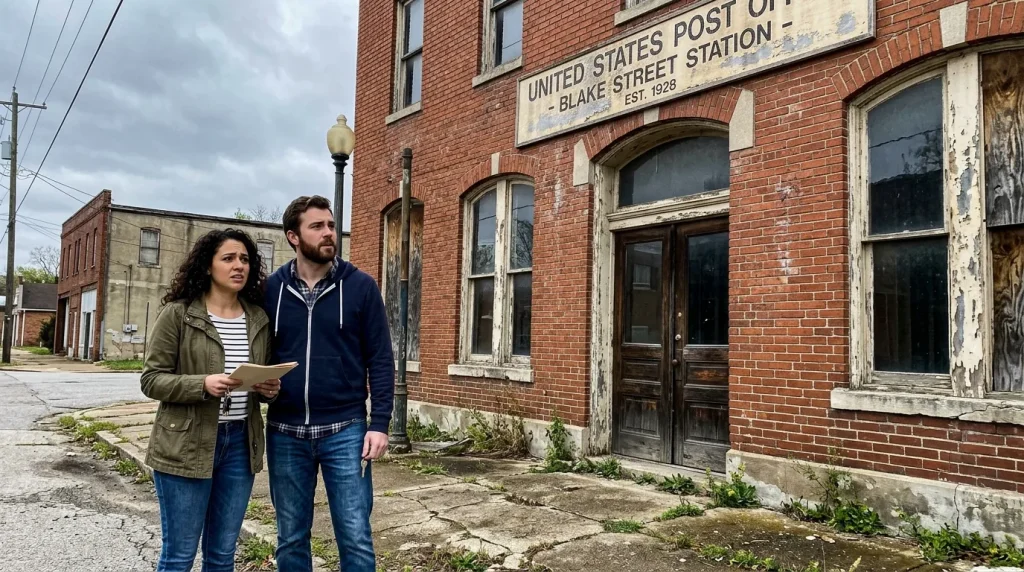

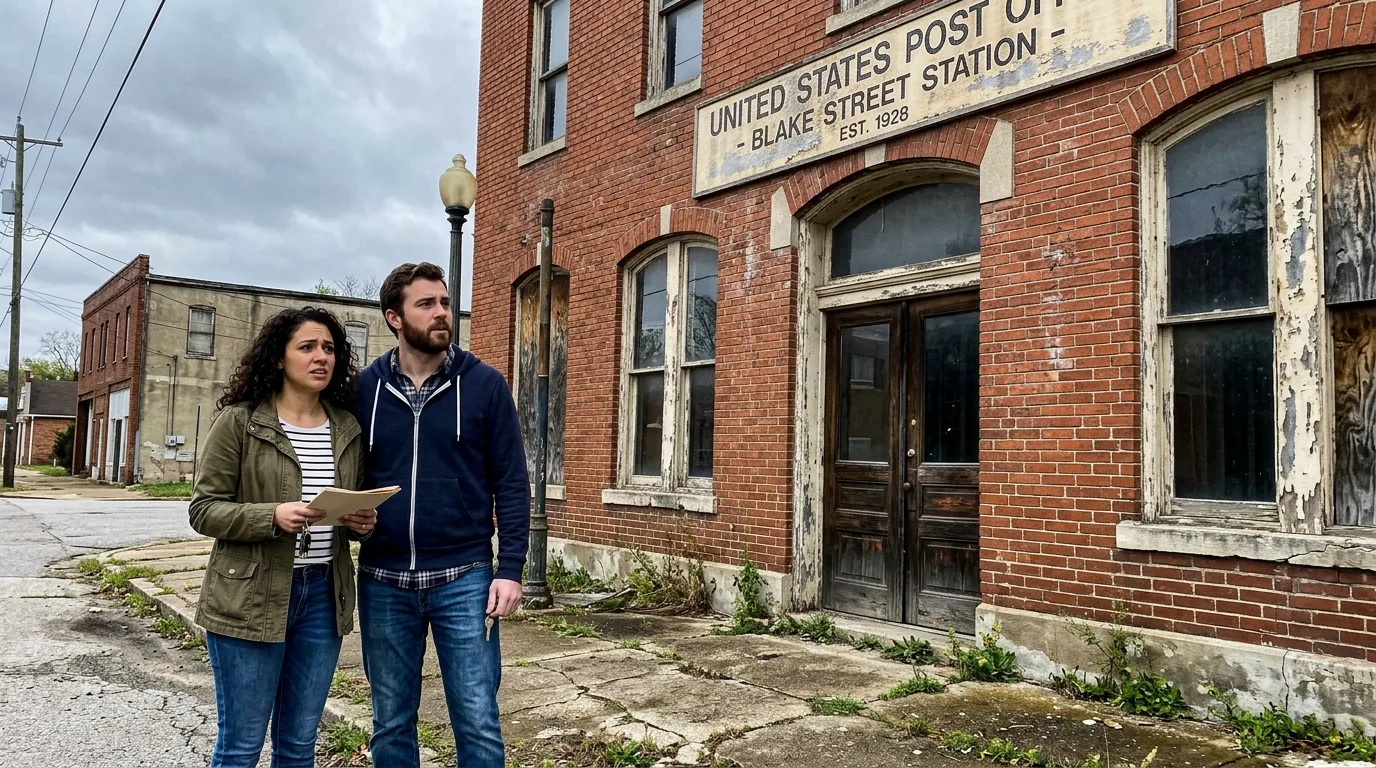
If you just bought a old post office for a home, you face an immediate reality check. You cannot legally live in the building yet.
Every commercial-to-residential conversion requires massive structural and legal overhauls before move-in day. We recently watched the 1888 Portarlington post office sell for an astonishing $1.91 million.
Shows like The Great House Revival make these adaptive reuse projects look incredibly romantic and straightforward. Reality paints a much darker picture for most property buyers.
The charm of soaring ceilings fades quickly when you hit your first zoning roadblock. We discovered a specific structural trap that routinely bankrupts new owners. Do you know exactly what is hiding behind your plaster walls?
If you just bought a old post office for a home, you face an immediate reality check. Every commercial-to-residential conversion requires massive structural and legal overhauls before move-in day. You cannot legally live in the building yet without a change of use permit.
What to Do First When You’ve Bought an Old Post Office for a Home
Your very first step is hiring a qualified structural engineer. They must assess the entire property before you tear down a single wall.
Old civic buildings often hide massive foundation issues beneath their charming exteriors. Many buyers get distracted by the historical elements left behind by previous workers.
You might find original mail-sorting tables or fascinating vintage postmaster equipment scattered around. We strongly advise cataloging these items quickly and moving them into secure storage.
Clear the space entirely so contractors can evaluate the bare bones of the structure. You need a complete blank canvas to plan your architectural layouts properly. Your engineer will tell you exactly which walls you can safely remove.
Navigating Zoning Laws and the Change of Use Permit
You must secure a change of use permit from your local municipality immediately. Post offices are classified as commercial or civic spaces by default.
Strict zoning laws prohibit anyone from sleeping in these buildings legally. Getting the city to approve your planning permission takes an average of six to nine months.
Your local council needs detailed architectural drawings proving the building meets residential safety codes. We recommend hiring a local architect who understands your specific municipal requirements.
Never start construction before the city approves your permits entirely. Local authorities can force you to tear down unapproved renovations at your own expense. A single zoning violation can completely stall your entire renovation timeline indefinitely.
Overcoming Architectural Challenges: Core Depth and Load-Bearing Walls
The most common structural hurdle you will face is the core depth issue. Old commercial buildings are incredibly deep and lack natural sunlight in the center.
Your bedrooms and living spaces must meet residential egress and lighting codes. We often solve this core depth problem by installing large central light wells.
You might also need to carve out massive skylights in the original roof. These modifications require heavy structural support and careful planning.
You must also identify all load-bearing walls holding up the massive roof structure. Civic buildings relied on thick interior brick walls for structural integrity. Removing these walls to create an open floor plan requires expensive steel support beams.
How to Secure a Commercial Mortgage and Construction Loan
Finding a residential lender to finance an uninhabitable post office is nearly impossible. Traditional banks will not approve a standard mortgage for a commercial shell.
You must explore alternative financing routes to fund your initial purchase. Most buyers secure a commercial mortgage to acquire the property itself.
Then, they take out a separate construction loan to fund the massive renovations. These specialized loans carry higher interest rates and require larger down payments.
You can refinance the property once the residential conversion is fully complete. A standard bank will approve a normal mortgage once the city issues a certificate of occupancy. We advise having at least a twenty percent contingency fund for unexpected costs.
Retrofitting Insulation and Plumbing for Residential Standards
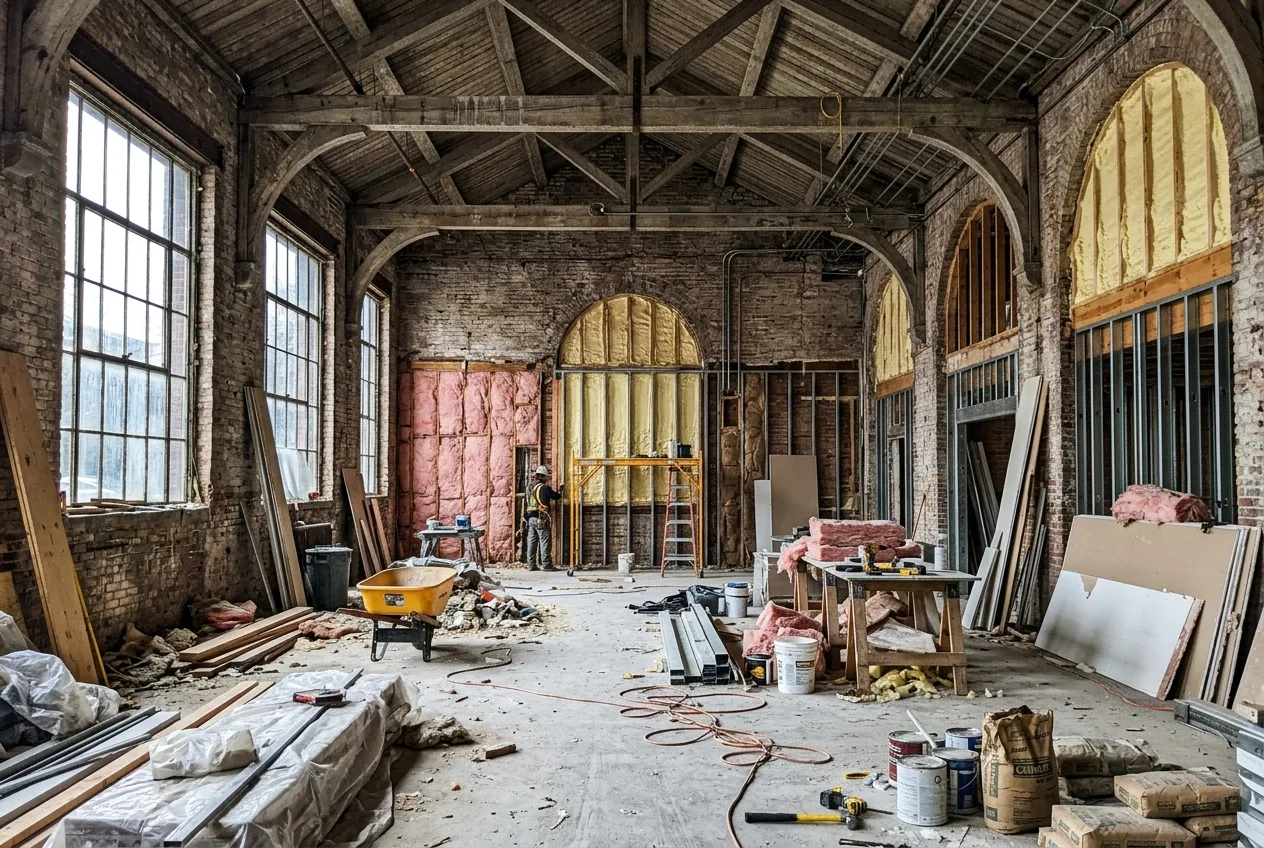
Civic buildings from the late nineteenth century leak heat like a sieve. You face a massive challenge in retrofitting insulation without destroying the historic exterior.
We suggest using closed-cell spray foam on the interior walls for maximum efficiency. Upgrading the plumbing presents another incredibly expensive nightmare for new owners.
A post office usually only has one small bathroom for the staff. You must trench through thick concrete floors to install new residential sewer lines.
Contractors will inevitably tear up the original flooring during this messy process. Carefully remove any historic tiles or post office memorabilia before they start digging. Preserving these details will add immense character to your finished home later.
Working with a Historic Preservation Board in a Conservation Area
Many old post offices sit right in the middle of a strict conservation area. If your building has a heritage listing, you lose total control over the exterior.
A local historic preservation board will dictate exactly what you can change. The board might force you to use specific, expensive materials for roof repairs.
Local laws strictly prohibit replacing original wooden windows with modern vinyl alternatives. We highly recommend consulting a heritage expert before finalizing your renovation budget.
Understanding the deep history of rural post offices helps you negotiate with these strict boards. Proposing plans that honor the original architecture will expedite your approval process. Always treat the preservation officers as partners rather than adversaries.
Comparing Adaptive Reuse vs. Traditional Home Buying
Taking on an adaptive reuse project requires a massive leap of faith. The final property valuation often far exceeds the total cost of renovations, but the journey is vastly different from a standard purchase.
- Completely unique, unrepeatable living space
- Soaring ceiling heights and massive windows
- High potential to double your equity
- Predictable, move-in ready experience
- Standard bank residential financing
- Less stress managing architects and contractors
We repeatedly see investors double their equity after completing a successful conversion. However, the sheer stress of managing architects, contractors, and city officials is immense. You must possess a high tolerance for risk and unexpected delays.
Final Thoughts Before Moving Into Your Converted Post Office
Your final step is obtaining the crucial certificate of occupancy from the city. This document legally transforms your commercial nightmare into a residential dream home.
The local inspector will verify that you closed every single permit properly. Expect your property taxes to shift drastically once the zoning classification officially changes.
Your insurance premiums will also adjust to reflect a standard residential policy. Call your insurance broker a month before your planned move-in date.
Living in a converted civic building offers an unmatched architectural experience. You literally own a piece of local history built directly into your walls. Prepare your moving boxes and get ready to enjoy your incredible new space.
Frequently Asked Questions About Post Office Conversions
Can you get a residential mortgage for an old post office?
Securing a residential lender immediately is incredibly difficult. Most buyers start with a commercial mortgage or construction loan instead. This funds the initial renovations before you can refinance to a standard mortgage.
Do I need a change of use permit to live in a post office?
Yes, you must secure a change of use permit from your local municipality. Post offices are civic or commercial spaces. Strict zoning laws prohibit residential living until the city approves your new plans fully.
What is the core depth issue in post office conversions?
The core depth issue refers to the lack of natural light in deep commercial buildings. You will likely need to install light wells to brighten the dark center. You might also need to adjust load-bearing walls to meet residential building codes.
Are there restrictions if the post office is in a conservation area?
Absolutely. If the building has a heritage listing, a historic preservation board dictates your exterior modifications. This significantly limits your design choices and window replacement options.
How much does it cost to retrofit an old post office?
Retrofitting insulation, plumbing, and electricity to meet residential standards often exceeds $150,000. Costs scale drastically depending on the building size. Always hire a structural engineer to thoroughly assess the property before purchasing.
Get our latest guides, news, and insights highlighted in your Google Search & AI Overviews.