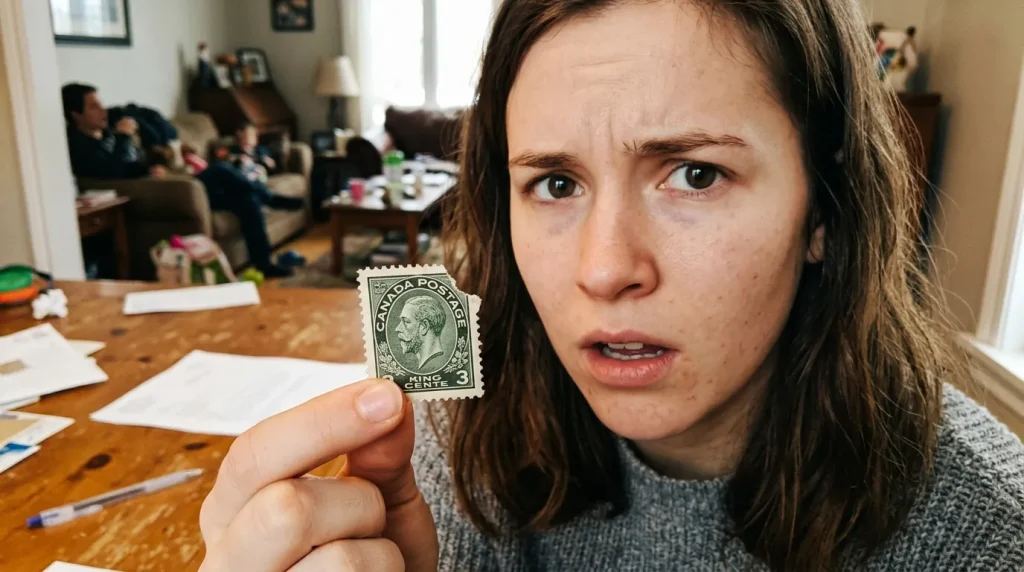

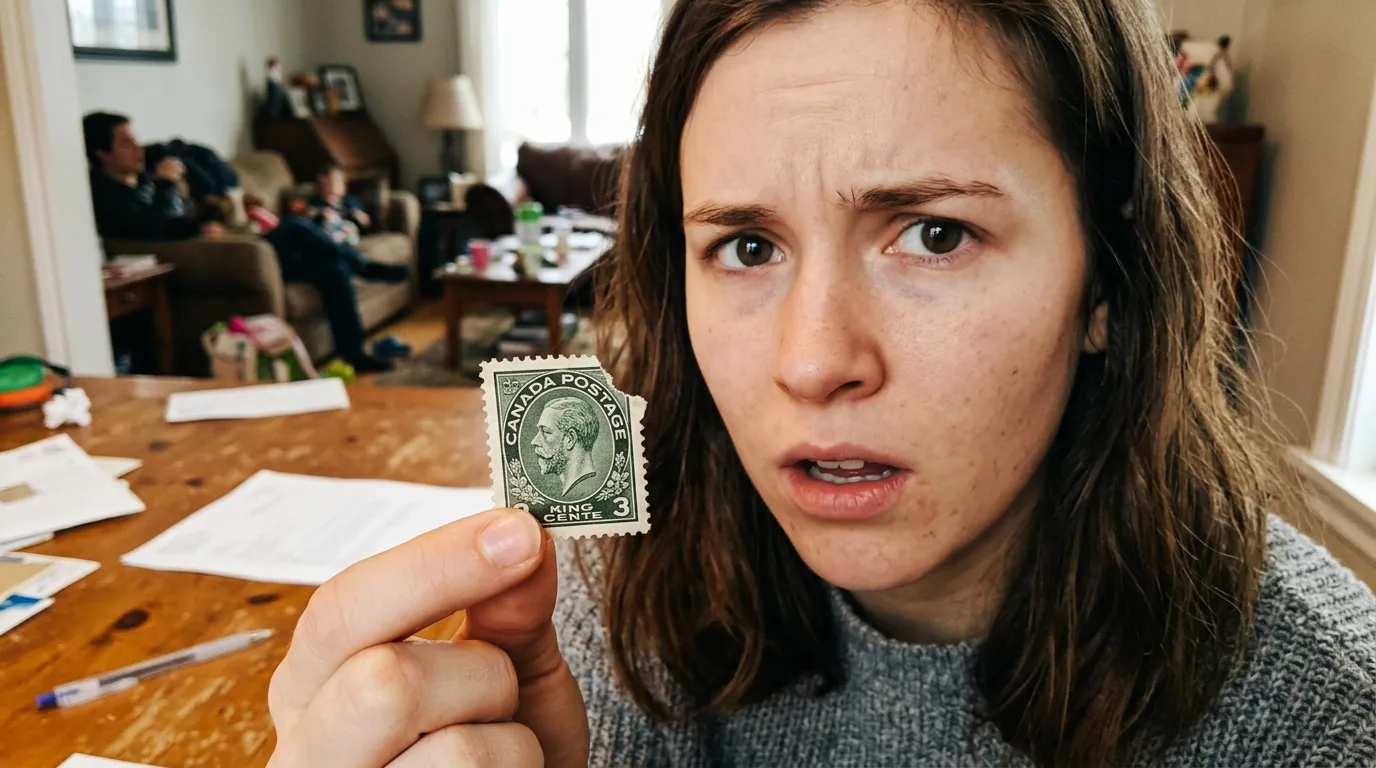
You might wonder, will older stamp with small tear have any value today?
A small tear drops a stamp’s catalog value by up to 90%. However, scarce stamps rarely become completely worthless. Rare stamps retain monetary value despite damage, while common modern stamps become effectively worthless.
A small tear drops a stamp’s catalog value by up to 90%. However, scarce stamps rarely become completely worthless. Rare stamps retain monetary value despite damage, while common modern stamps become effectively worthless.
Many amateur collectors discover inherited albums filled with damaged specimens. They often throw these imperfect finds straight into the trash.
They assume a tiny edge tear destroys all historical and financial worth. However, a tough economy has radically shifted collector buying behavior.
Buyers actively hunt for stamps with a minor fault (any defect on a stamp). This helps them complete collections affordably. One hidden detail dictates whether your torn stamp hits the trash or the auction block. Find that exact detail below.
Does a Small Tear Destroy a Stamp’s Value Entirely?
A small tear does not automatically destroy the worth of every stamp. The final outcome depends entirely on the underlying rarity of the issue.
You must separate abundant modern issues from extremely scarce historical pieces.
Finding a tear on common stamps like the Elvis Presley issue drops the value to zero. Millions of these stamps exist in flawless, mint condition today.
Collectors have absolutely no reason to purchase a damaged copy.
Conversely, an 1850s classic issue with a tear still commands serious attention. Professional assessment confirms that extreme rarity heavily outweighs minor paper damage.
Collectors understand that perfect copies of 19th-century stamps barely exist today. They gladly accept a small tear if the stamp features brilliant color and clear cancellations.
Your torn stamp holds value if it meets this strict, uncompromising scarcity requirement.
Stamps follow a strict and rigid condition hierarchy:
- A pristine stamp represents the absolute peak of financial value.
- A lightly hinged stamp falls slightly below that elite peak.
- A torn stamp drops to the very bottom tier immediately.
However, the bottom tier of a million-dollar stamp still equals thousands of dollars. You must never discard old albums without checking the specific issues first.
Understanding the Rebate Effect and Catalog Value
Philatelic experts use a specific mathematical formula to price damaged items. We call this crucial deduction the rebate effect.
This effect calculates the strict discount a buyer expects when purchasing a stamp with flaws.
First, you must check the baseline catalog value in standard reference guides. American collectors rely heavily on the Scott Catalog (standard reference book for stamp prices).
European collectors generally consult Stanley Gibbons (major British stamp catalog). You always start your pricing journey with the value listed for a flawless specimen.
Next, you apply the rebate effect based entirely on the tear’s severity.
- A tiny 1mm tear might reduce the official price by exactly 50%.
- A large tear touching the central design might trigger a massive 90% discount.
For example, check Benjamin Franklin half cent stamp values for context. A pristine $100 stamp quickly becomes a $20 stamp with a visible tear.
The rebate effect protects buyers while successfully maintaining a market for imperfect stamps.
Some advanced dealers use a precise condition multiplier to calculate exact prices. They multiply the catalog value by a specific decimal based on the fault.
A completely flawless stamp receives a standard 1.0 multiplier. A stamp with a minor edge tear might receive a harsh 0.3 multiplier. This system ensures completely fair trading across the global philatelic marketplace. It successfully removes human emotion from pricing damaged historical goods.
The Rise of Space-Fillers: Why Damaged Rare Stamps Still Sell
A tough economy has created a booming secondary market for imperfect stamps. We call these affordable alternatives a space-filler (a damaged stamp used to fill an album gap).
Budget-conscious collectors actively hunt for these heavily discounted pieces.
Philatelists (stamp collectors and scholars) hate seeing blank spaces in their vintage albums. A flawless 19th-century classic often costs tens of thousands of dollars.
Most everyday hobbyists simply cannot justify that massive financial expense. Instead, they eagerly purchase a space-filler with a tear for a fraction of the cost.
This demand directly increases the overall desirability of damaged stamps.
If an item is genuinely scarce, buyers will fight over it at auction regardless of condition. For instance, the value of an older stamp like the 1919 one cent remains high despite damage.
The sheer rarity guarantees a willing buyer for almost any recognized space-filler.
Major auction houses regularly feature dedicated space-filler collector lots. These specific auctions attract fierce bidding wars from specialized, budget-focused collectors.
Many hobbyists take extreme pride in building complete country collections on a strict budget. They view a damaged rarity as a genuine badge of honor. It proves their intense dedication to the hunt rather than just their financial wealth.
How to Assess the Severity of a Small Tear vs. Thin Spot
Not all stamp damage carries the exact same financial penalty. You must learn to distinguish between a physical tear and a thin spot.
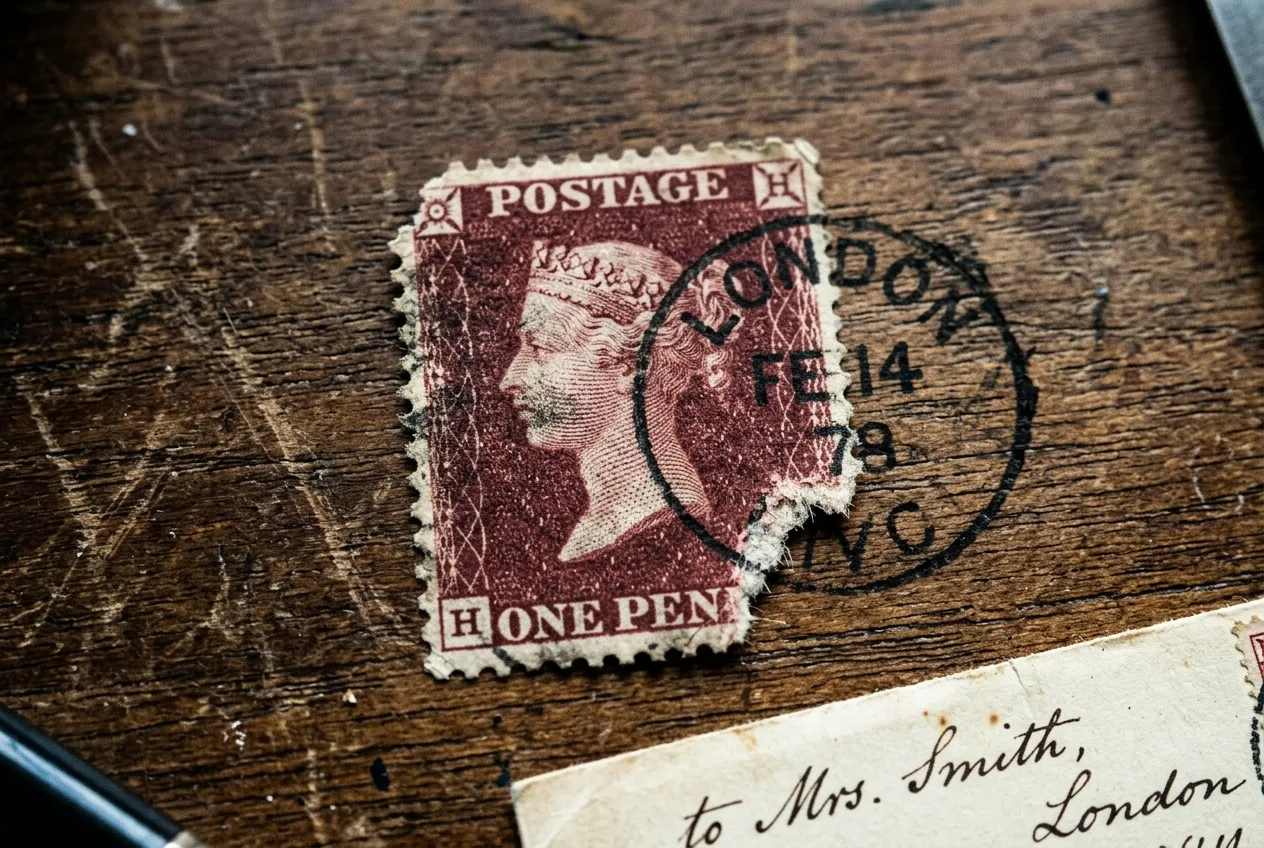
A physical tear breaks completely through the delicate paper fibers. Inspect the stamp closely against a very bright light source. A tear will show a clear, visible physical separation at the edge.
A thin spot only removes the top layer of paper, usually from careless hinge removal. A thin spot will appear as a bright, translucent patch where the paper is thinner. Buyers generally prefer a minor thin spot over a physical edge tear.
You must also check the back of all unused stamps. The presence of original gum (the adhesive on the back of an unused stamp) changes everything.
A tear on a mint stamp with perfect original gum causes a massive price drop. Collectors fully expect unused stamps to remain in perfectly pristine condition.
You need proper tools to assess physical damage accurately. Use a specialized philatelic magnifying glass with built-in LED lighting. This magnification reveals the true, hidden extent of any paper separation.
You will quickly spot whether a tear cleanly divides the fibers or leaves jagged edges. Jagged, overlapping edges generally reduce the final monetary value even further.
Step-by-Step: Evaluating Your Torn Stamp Before Expertizing
Do not rush to mail your damaged stamps to professional authenticators. Expertizing (the process of authenticating a stamp by professionals) costs serious money and time.
You should only pay for expertizing if the stamp holds significant potential value.
- Identify the issue: Use a watermark detector and perforation gauge. Two identical-looking stamps can vary wildly in price.
- Measure the tear: Use a clear millimeter ruler. Note exactly whether the tear crosses into the actual printed design.
- Estimate the formal grading score: Grading evaluates the centering and overall physical condition. A poorly centered stamp with a tear rarely justifies high authentication fees.
Only proceed with expertizing if you possess a highly rare issue with perfect centering.
An expertizing certificate acts as the ultimate, undeniable proof of authenticity. The certificate will explicitly mention the tear and its exact physical location.
This total transparency protects both the seller and the buyer during high-value transactions. Buyers trust certificates from recognized philatelic organizations blindly. Without this certificate, most buyers will firmly assume a torn stamp is completely worthless.
Common Faults: Creases, Pinholes, and Missing Corners
Tears represent just one single category of philatelic damage. You will frequently encounter a sharp crease running across the paper. A heavy crease breaks the paper fibers and reduces value exactly like a tear.
Pinholes often appear on classic historical stamps from certain Asian countries. Office workers used to spike these stamps on metal spindles for quick record-keeping. Modern collectors universally treat these historical pinholes as serious, value-destroying defects.
Missing corners cause the most dramatic and devastating price reductions. A stamp missing a piece of its design loses its visual appeal completely. You should only keep stamps with missing corners if they date back to the 1840s.
You must also actively watch out for paper toning and rust spots. These specific issues often accompany physical tears due to extremely poor storage conditions.
Toning turns the crisp white paper into a dull, ugly yellow or brown color. Rust spots indicate dangerous active fungal growth directly within the paper fibers. A torn stamp with heavy rust spots becomes almost totally unsellable to serious collectors.
Should You Ever Try Repairing a Torn Stamp?
You must never attempt to repair a torn stamp using everyday household materials. Tape, glue, or clear nail polish will permanently destroy the fragile item.
These harsh chemicals seep into the paper and cause irreversible, ugly discoloration over time.
Even professional archival restoration carries massive financial risks. Restorers charge exceptionally high fees to weave tiny paper fibers back together. You will rarely recover this steep investment when selling a restored space-filler later.
Leave the tear exactly as you found it to preserve total honesty and value.
Some fraudsters try to hide edge tears by completely regumming the back of the stamp. They apply fake fresh adhesive to seal the damaged tear directly from behind. Experts easily detect this common trick using specialized, highly accurate chemical tests.
Once an expert identifies fraudulent regumming, the stamp gets permanently blacklisted. You lose your initial investment and your reputation in the philatelic community instantly.
Final Thoughts: Keep or Toss Your Imperfect Stamps?
A small tear does not automatically condemn your entire vintage collection to the trash bin. You must research the underlying rarity of each individual piece before making a final decision.
Keep the genuinely scarce historical issues, as they still serve perfectly as valuable space-fillers.
Toss the heavily damaged modern mass-produced stamps, as they hold absolutely zero market appeal. If you suspect you hold a genuinely rare item, consult a professional for a formal evaluation. Review the frequently asked questions below to understand the exact mechanics of stamp valuation.
Frequently Asked Questions
Does a small tear ruin a stamp?
A small tear does significantly reduce a stamp’s catalog value, often by 50% to 90% depending on the severity. However, for extremely rare and scarce stamps, a torn specimen can still hold substantial monetary value as a space-filler for collectors who cannot afford a pristine copy.
Are damaged stamps worth anything?
Yes, damaged stamps can be worth something if the underlying stamp is highly desirable and scarce. While common stamps with faults like creases or thin spots are usually worthless, rare issues retain a percentage of their value through the rebate effect and are sought after by philatelists. Check our guide on how to know if your stamps are valuable.
How much does a tear devalue a stamp?
In professional grading, a small tear is considered a major fault that usually devalues a stamp by at least 50% from its standard catalog value. The exact deduction depends on the location and size of the tear, as well as whether the stamp has original gum.
Should I repair a torn stamp?
No, you should never attempt to repair a torn stamp using tape or glue. Repairing a stamp artificially alters its condition and is strongly frowned upon in the philatelic community. It can completely destroy any remaining monetary value and desirability the space-filler had.
What is a space-filler stamp?
A space-filler is a highly sought-after but damaged stamp that collectors purchase at a steep discount to temporarily fill a blank spot in their albums. Even with faults like a small tear or missing corner, rare space-fillers are actively traded in the stamp collecting market.
Error: Contact form not found.
Get our latest guides, news, and insights highlighted in your Google Search & AI Overviews.