
A definitive 1st day stamp value guide reveals a harsh financial reality. Most mass-produced first day covers from the 1970s and 1980s hold a minimal retail price of $1 or less.
Most mass-produced first day covers from the 1970s and 1980s hold a minimal retail price of $1 or less. However, pre-1930s unaddressed covers with unique hand-painted cachets or rare cancellation marks routinely fetch an auction value exceeding $1,000.
However, pre-1930s unaddressed covers with unique hand-painted cachets or rare cancellation marks routinely fetch an auction value exceeding $1,000.
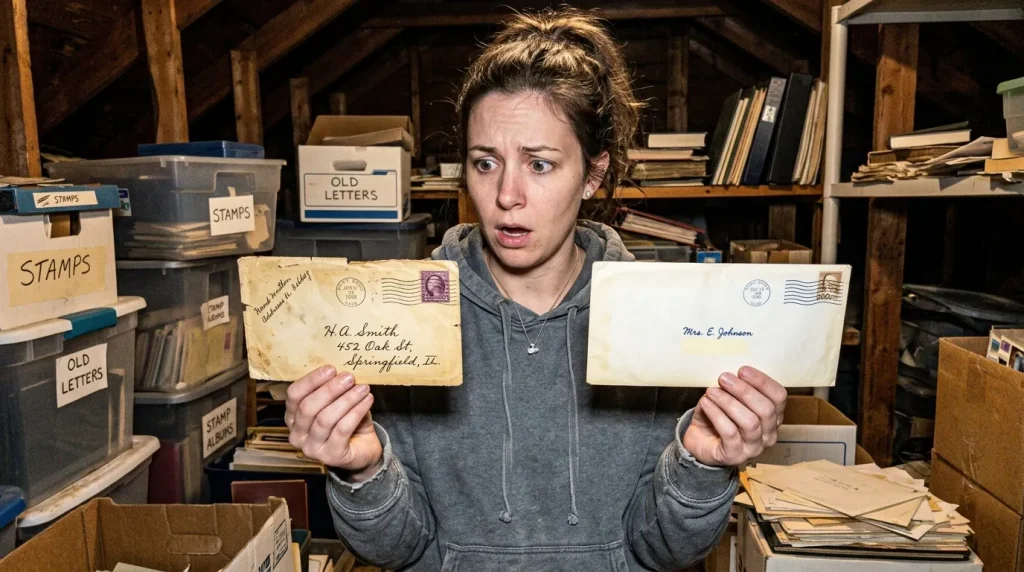
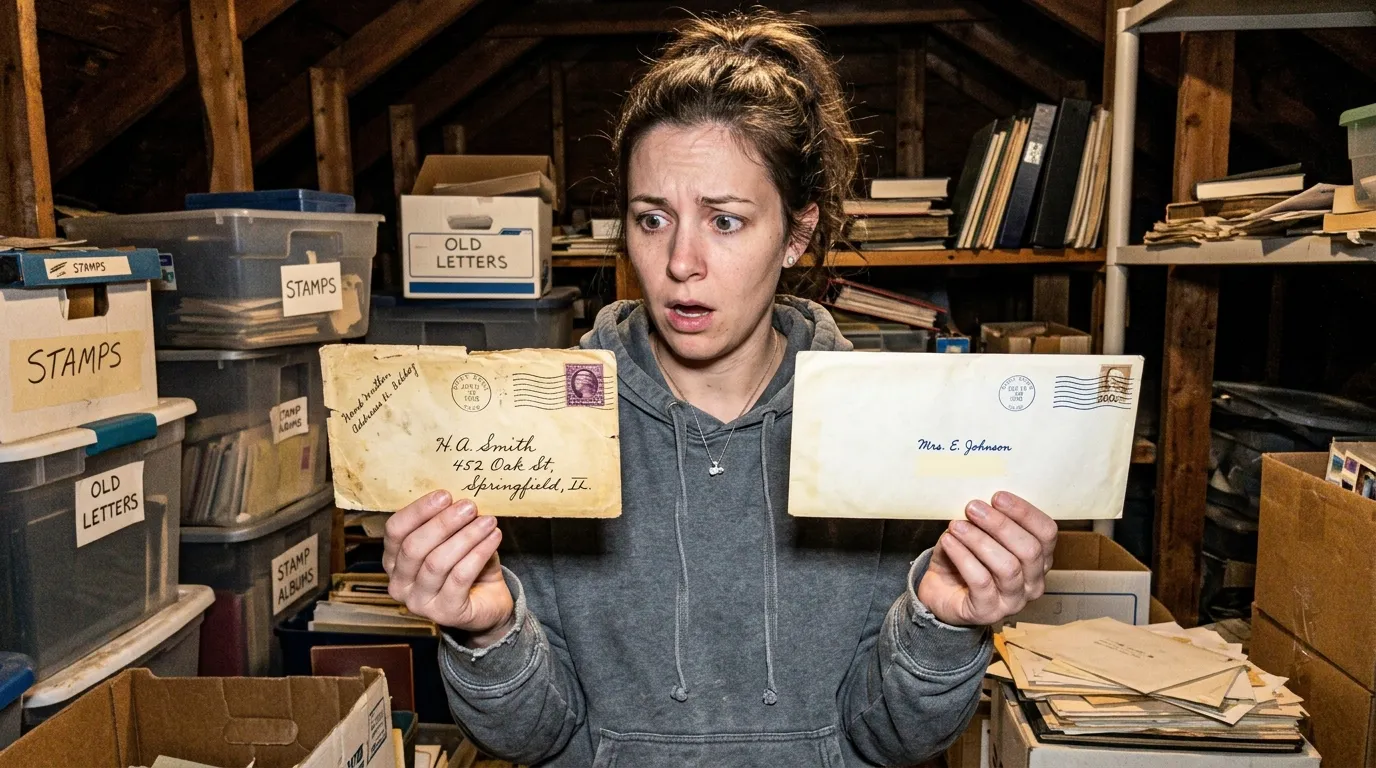
You just hauled three heavy plastic bins full of envelopes out of your late grandfather’s attic. The sheer volume feels overwhelming.
You fear local stamp dealers will try to low-ball you on the entire collection. Many heirs panic and sell a lifetime of careful collecting for pennies on the dollar.
Yet one easily missed detail decides whether an envelope hits the trash bin or funds your next vacation. I will reveal exactly where to look below.
What Is the True Value of a First Day Cover?
The baseline expectation for a modern First Day Cover (FDC) shocks most new heirs. An FDC features a stamp that the post office cancelled on its first day of issue.
Mass production completely ruined the secondary market for items printed after 1940. When you look up a common 1975 cover in the Scott Catalogue, you might see a $3 catalogue value.
The Scott Catalogue serves as the standard reference book for stamp collectors globally. However, catalogue value represents an idealized retail scenario.
In reality, the dealer price you actually receive will often be just 10% to 20% of that printed number. Dealers simply hold too much inventory and see too few active buyers for modern material.
You must completely recalibrate your expectations when dealing with modern, mass-produced philatelic items.
Pre-1930s Scarcity vs. Mass Production
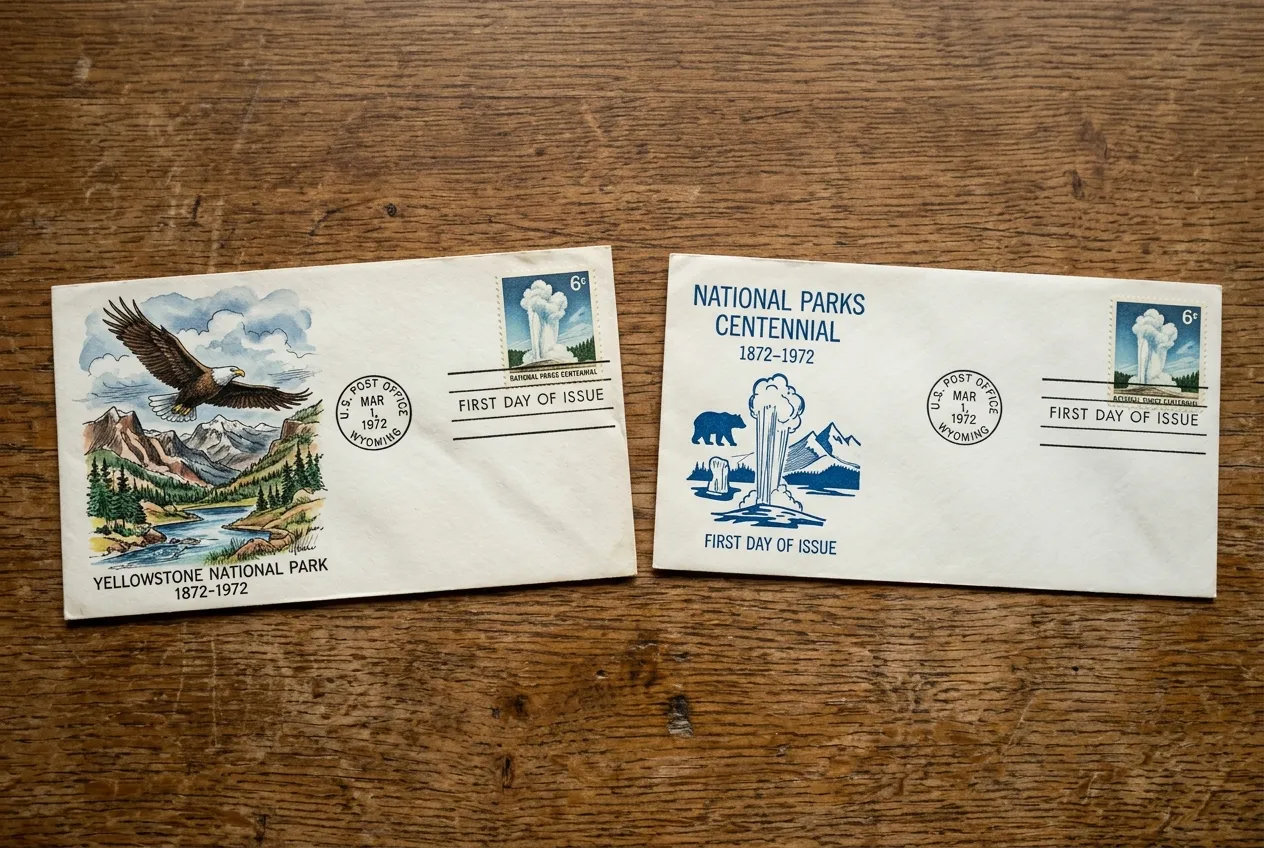
Age heavily dictates your expected realized price when liquidating an inherited collection. Before the 1930s, collectors manually prepared and mailed their own envelopes to specific post offices.
These early items remain genuinely scarce. In fact, many pre-1925 examples exist as entirely uncacheted envelopes.
Pre-1930s Scarcity
Uncacheted means they lack any decorative artwork on the left side. True scarcity drives aggressive demand among serious buyers.
We always advise heirs to instantly separate anything dated before 1930 into a high-priority appraisal pile.
Post-1940 Mass Production
Conversely, post-1940 covers saw commercial companies printing millions of identical copies for eager mail-order subscribers.
You cannot expect a high financial return on something that exists in hundreds of thousands of identical household albums.
The Impact of Cachetmakers: Fleetwood, Artcraft, and Hand-Painted Art
The artwork on the left side of the envelope, known as a cachet, dramatically alters the item’s worth. A skilled cachetmaker adds immense desirability to an otherwise standard government issue.
Mass-market brands like Fleetwood and Artcraft dominated the mid-century market completely. Since they mass-produced millions of identical, engraved designs, covers bearing their logos usually command negligible market premiums.
On the other hand, a uniquely hand-painted cachet created by a recognized artist transforms the envelope into original artwork. Collectors fiercely bid on these one-of-a-kind miniature paintings.
A standard printed cover might be worthless. But a hand-painted cachet featuring a classic 1922 George Washington stamp can easily ignite global bidding wars. Always verify the artwork type before selling.
How to Assess Crisp Condition and Cancellation Marks
Physical grading applies to covers just as strictly as it applies to rare coins or vintage comic books. Buyers expect premium items to remain in crisp condition.
Any yellowing, torn edges, or moisture damage immediately destroys the collector premium. Next, examine the cancellation mark.
The post office applies this ink stamp to prevent reuse. A clear, highly readable postmark with the exact ‘First Day of Issue’ phrasing proves the item’s historical authenticity.
Smudged, faint, or incomplete strikes heavily discount the final sale price. If you want to check specific grading examples, our guide on George Washington postage stamps values breaks down physical condition criteria in granular detail.
We refuse to buy covers that show even minor foxing around the edges.
3 Steps to Appraise Your Inherited FDC Collection
- Step 1: Separate by Era. First, separate everything physically by era. Isolate the pre-1930s material from the modern bulk. You will save hours of frustration by only researching the oldest items in the boxes.
- Step 2: Identify the Cachetmaker. Second, identify the cachetmaker by looking for tiny copyright text near the artwork. Look for artist signatures or small print near the bottom left corner.
- Step 3: Cross-Reference Values. Finally, cross-reference your oldest, most unique covers using our comprehensive collectible postage stamps price guide.
| Appraisal Era | Action Required |
|---|---|
| Pre-1930s Envelopes | Separate immediately. High probability of significant auction value. Check cachets and addresses carefully. |
| Post-1940 Modern FDCs | Bundle together into bulk lots. Extremely low dealer price. Not worth individual appraisal. |
Do not waste precious time appraising binders full of 1980s space exploration covers individually. Bundle modern material together and sell it as a bulk lot to save your own sanity.
Efficiency matters more than squeezing every last dime out of common inventory.
Why Unaddressed Covers Always Command a Premium
Early collectors actually mailed their first day covers directly to their own home addresses. Today’s buyers consider a typed or handwritten address an ugly distraction from the historical artwork.
An unaddressed cover retains a visually pleasing, pristine appearance. The total lack of a messy address directly translates to a significantly higher realized price at any auction.
We actively tell heirs to sort their inherited boxes into two strict piles. You must separate addressed and unaddressed covers immediately.
The clean, unaddressed pile always holds the vast majority of your collection’s actual financial potential. A professional can sometimes carefully erase pencil addresses. However, ink addresses permanently relegate the cover to bargain-bin status.
Where to Sell Your FDCs (And How to Avoid Scams)
Walking directly into a local coin and stamp shop with three heavy binders guarantees trouble. You will almost certainly receive a predatory low-ball offer.
Local dealers need massive profit margins simply to keep their retail lights on. Instead, we strongly recommend reaching out to verified members of the American Philatelic Society (APS).
This organization maintains strict ethical standards for its registered dealers and active buyers. They actively police their members to prevent unfair trading practices.
For your extremely rare, high-value covers, consignment to a specialized auction house ensures you reach highly motivated global buyers. Sell the worthless modern bulk locally to clear space.
Fiercely protect your rare gems for the international market.
Final Thoughts Before Liquidating Your Collection
Liquidating an inherited stamp collection demands emotional patience and a highly strategic approach. You now know exactly how to bypass the worthless modern material and spot the hidden historical gems.
Protect your crisp, unaddressed, pre-1930s envelopes from eager local buyers looking for a quick, profitable flip. Separate your inventory ruthlessly, verify the cachetmakers, and consult professional auctioneers for the top-tier items.
Keep learning, stay vigilant against scams, and maximize the financial return on your family’s lifelong philatelic investment. Your grandfather’s collection deserves proper valuation and respect.
Frequently Asked Questions
Are first day covers actually worth anything today?
Most mass-produced first day covers from the 1970s and 1980s have a minimal retail price of $1 or less. However, pre-1930s unaddressed covers with unique hand-painted cachets or rare cancellation marks can fetch auction values exceeding $1,000. Check our collectible postage stamps price guide for more details.
How do I know if my FDC is rare and valuable?
A rare FDC typically dates back to before 1930 and features an uncacheted or specially hand-painted envelope. An unaddressed cover kept in crisp condition with clear, recognizable postmarks from the first day of issue always yields the best realized price. We recommend checking every pre-1930s envelope carefully.
Does an unaddressed cover have a higher value?
Yes, serious collectors universally favor unaddressed first day covers over addressed ones. An unaddressed cover retains a visually pleasing, pristine appearance. This lack of an address directly translates to a significantly higher catalogue value and stronger auction performance.
Should I trust the catalogue value when selling?
The catalogue value, such as from the Scott Catalogue, represents an idealized price. In reality, the dealer price or actual realized price will usually be significantly lower. It often represents just a fraction of what the catalogue suggests for average condition covers.
Where is the best place to sell my inherited FDCs?
Local dealers offer fast cash, but they provide a lower dealer price. For potentially rare items, we recommend selling through reputable auction houses. Reaching out to members of the American Philatelic Society ensures you receive a much fairer retail price.
Error: Contact form not found.
Comprehensive First Day Stamps Value Guide: Grading and Realized Price Metrics
When consulting a specialized stamps value guide for first day covers (FDCs), collectors must differentiate between mass-market philatelic commercial souvenirs and genuinely scarce postal artifacts. While millions of post-1960 covers were manufactured for subscription clubs, pre-war issues and artisanal hand-drawn cachets command significant premiums among members of the American First Day Cover Society (AFDCS) and serious auction bidders.
| FDC Category & Era | Prominent Cachet Makers | Addressing Style | Realized Auction Range |
|---|---|---|---|
| Early Pioneer Covers (1920–1930) | George Ward Linn, early homemade designs | Unaddressed or light pencil | $250 – $2,500+ |
| Golden Age Hand-Painted (1930–1955) | Dorothy Knapp, Ralph Dyer, Mae Weigand | Unaddressed preferred | $350 – $3,000+ |
| Mid-Century Engraved (1940–1970) | ArtCraft, Fleetwood, Cachetcraft, Crosby | Typed address or label | $2.00 – $15.00 |
| Modern Mass Market (1975–Present) | USPS Commemorative Panels, Postal Commemorative Society | Printed address or unaddressed | $0.50 – $1.50 |
Key Factors That Elevate Realized Prices in Value Guides
An authoritative stamps value guide identifies four primary value drivers for vintage covers:
- Unaddressed Pristine Envelopes: Covers devoid of typed or handwritten recipient addresses preserve the visual integrity of the cachet artwork and regularly achieve a 40% to 100% price premium.
- First Day City Verification: The postmark must match the official release city designated by the Post Office Department (e.g., Washington D.C. or dedicated memorial locations).
- Rare Dual or Combo Postmarks: Covers bearing multiple related commemorative stamps with corresponding historical event cancels represent prime auction highlights.
- Catalogue Cross-Referencing: Valuations align with Scott Specialized Catalogue of United States Stamps & Covers and the Brookman Price Guide.
Frequently Asked Questions: First Day Stamps Value Guide
Why do most modern first day covers have low value in stamp value guides?
Mass production in the millions by commercial cachet makers during the 1970s and 1980s flooded the market, keeping standard retail values between $0.50 and $1.50 today.
What makes a first day cover highly valuable according to expert value guides?
Pre-1930 releases, rare hand-painted cachets (such as Dorothy Knapp originals), and unaddressed covers featuring classic engraved cancellation strikes command hundreds to thousands of dollars.
Get our latest guides, news, and insights highlighted in your Google Search & AI Overviews.