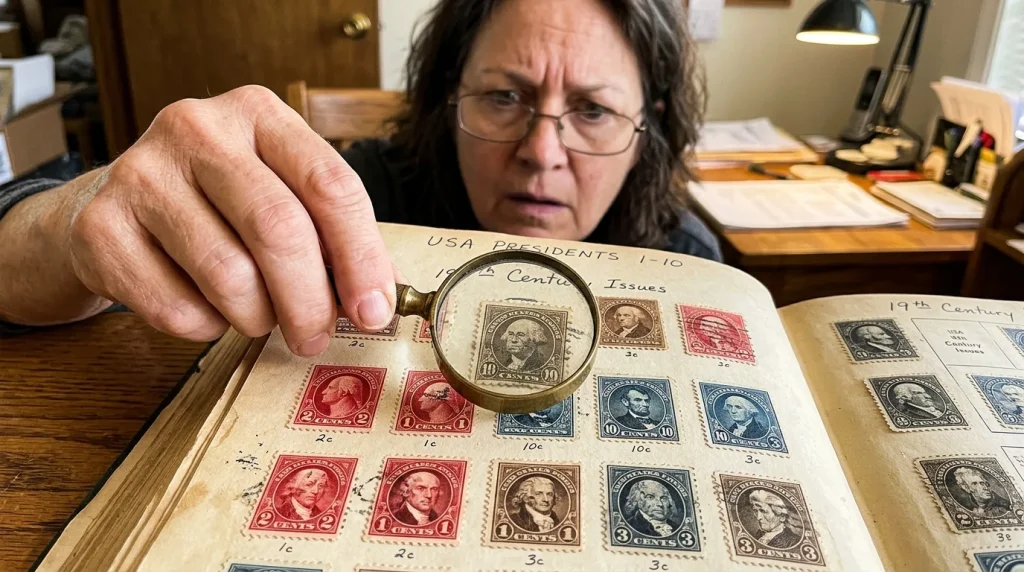

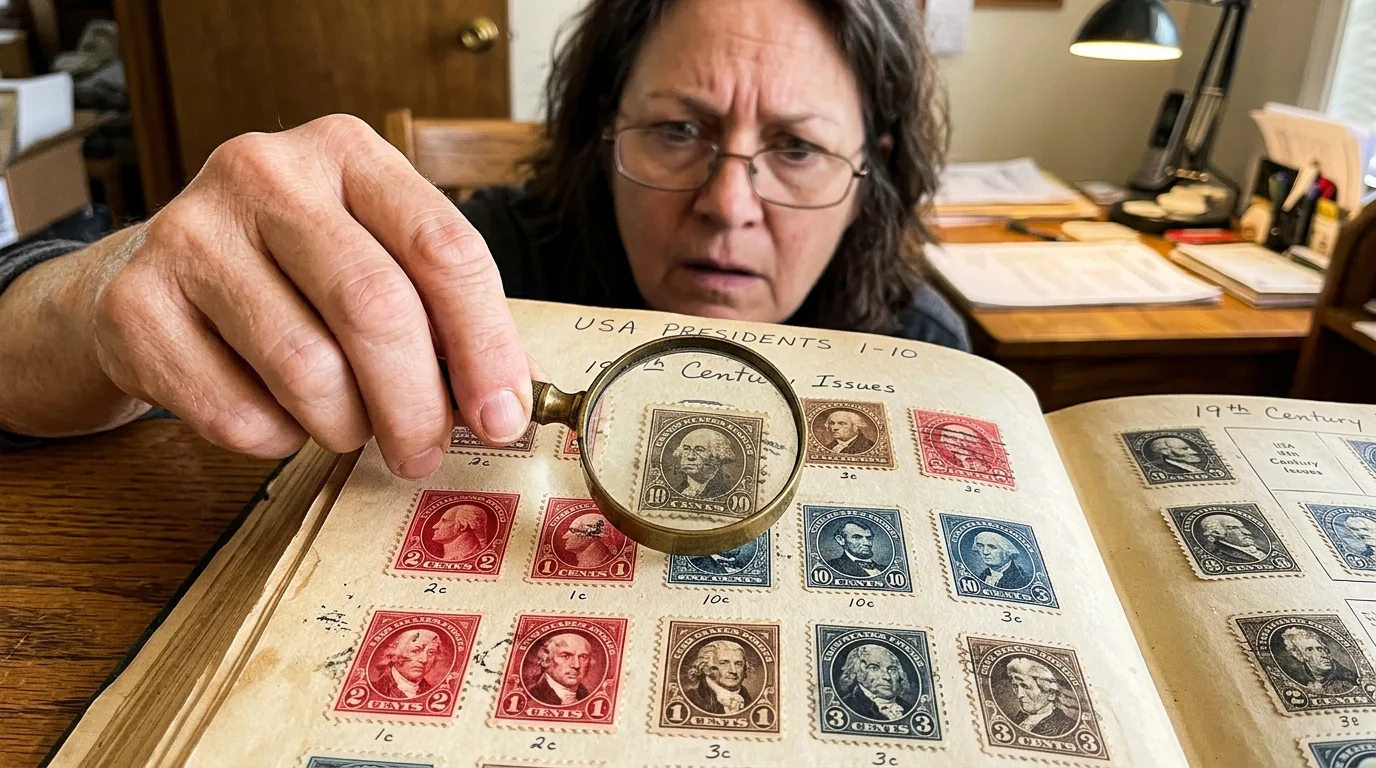
What is the order of USA presidents on stamps? The chronological sequence begins with George Washington, appearing on the very first national issue in 1847. Following him, the chronological order roughly aligns with their historical terms in office. However, the U.S. Postal Service often prioritized prominent figures based on significant anniversaries rather than strict numerical order. You will typically find George Washington and Benjamin Franklin anchoring the earliest and most frequent releases. As you organize your albums, you will notice this timeline jumps forward significantly during the 1938 Presidential Series.
Many stamp collectors and historians wonder what is the order of usa presidents on stamps as they look to properly organize their inherited collections. They often face a frustrating lack of a clear chronological timeline for these issues. This missing information hinders collectors from identifying proper series and accurately valuing their binders. Sorting through boxes of loose paper feels overwhelming without a proper guide. But what if one specific sequence held the key to identifying the most valuable United States stamps? The secret lies in understanding exactly how the government released these historical tributes.
You must learn this chronology to protect your financial investment. An unorganized collection simply gathers dust and loses potential buyer interest. We will guide you step-by-step through this fascinating historical timeline. Get your magnifying glass ready for this journey.
The 1938 Presidential Series (The Prexies)
The most systematic approach to honoring American leaders occurred with the 1938 Presidential Series. Collectors affectionately call this massive definitive series the Prexies. This landmark set attempted to place every deceased chief executive in strict numerical order. The series starts with a one-cent George Washington stamp. It then proceeds methodically through the historical timeline of leaders. This ambitious project completely revolutionized how collectors organized their albums.
You will find Benjamin Franklin prominently featured on the half-cent denomination. He earned this special placement despite never serving as the chief executive. The sequence continues through history, ending with Calvin Coolidge on the five-dollar issue. Franklin D. Roosevelt championed this comprehensive release during his time in office. His deep passion for philately (stamp collecting) heavily influenced the final designs and selections. He personally reviewed sketches and offered crucial feedback to the artists.
Understanding this specific series provides the perfect foundation for any serious collector. Once you master the Prexies, organizing the rest of your album becomes significantly easier. You gain a clear visual map of American political history. This set acts as the gold standard for chronological collecting.
Modern Definitive Series and Commemorative Issues
After the Prexies, the approach to featuring leaders shifted dramatically. The government moved toward issuing a targeted Commemorative Issue for specific historical milestones. A definitive series (regular issue stamps printed in large quantities) still occasionally featured prominent early leaders. However, modern releases focus more heavily on celebrating distinct historical anniversaries. You will see this clearly with the upcoming US Semiquincentennial in 2026. This massive anniversary will undoubtedly bring incredible new releases to the market.
Commemorative stamps serve a completely different purpose than regular everyday postage. They honor specific individuals, events, or cultural milestones for a limited time. For instance, recent releases celebrate important civil rights leaders alongside former chief executives. This shift makes chronological organization slightly more challenging for modern collectors. You must track individual release dates rather than relying on a single, continuous series.
Maintaining an updated checklist is absolutely essential for tracking these modern historical tributes. You cannot rely solely on the numerical order of presidencies anymore. Savvy collectors use detailed catalogs to track every single release year. This diligence ensures you never miss a crucial addition to your collection.
How to Value Your Presidential Stamps by Denomination
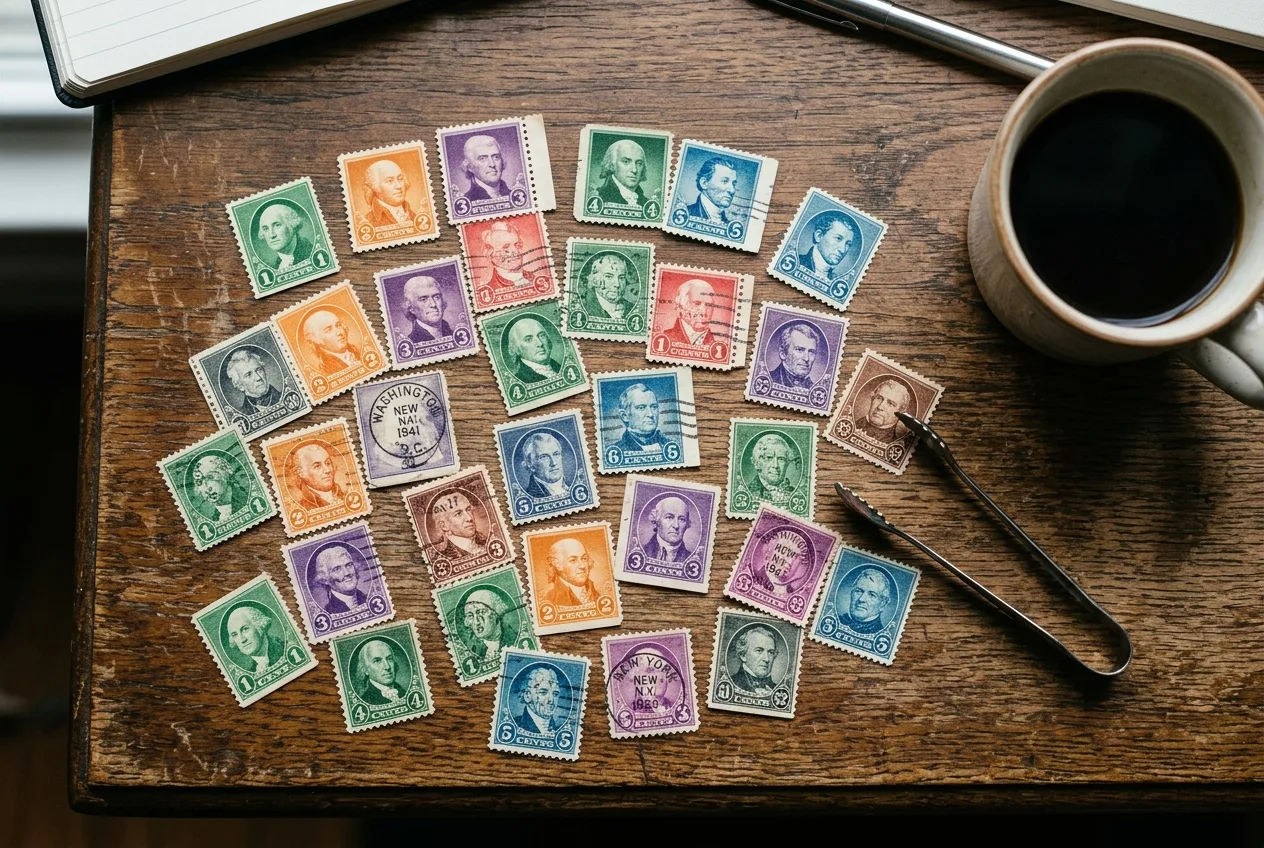
Valuing your collection requires careful attention to each stamp’s specific Denomination. The face value printed on the paper directly impacts its historical placement and potential rarity. In earlier series, lower Denominations typically featured the most famous founding fathers. George Washington consistently appeared on the standard first-class postage rate. Higher values often showcased less prominent leaders or later historical figures. This deliberate pricing structure created a natural hierarchy within the collection.
Identifying these values helps you determine if you hold US stamps worth money. A common three-cent issue might hold little monetary value today. However, a five-dollar Calvin Coolidge from the Presidential Series remains highly sought after. You must carefully examine the physical condition, centering, and cancellation marks. These tiny physical details make massive differences in final auction prices.
Sometimes, rare overprint stamps can dramatically increase the value of an otherwise standard issue. Always consult a specialized catalog before finalizing any valuation. Proper knowledge prevents you from selling a masterpiece for pennies. You hold history in your hands, so treat it with financial respect.
Building Your Collection: First Day Covers and Memorial Stamps
Serious collectors often focus on acquiring a pristine First Day Cover. A First Day Cover features a new stamp postmarked on its very first day of issue. These specialized items often include beautiful cachets (decorative artwork) on the left side of the envelope. They provide exceptional historical context and make stunning additions to any display. Gathering first day cover stamps adds a deeper layer of storytelling to your album. It transforms a simple piece of paper into a tangible historical event.
Another highly rewarding collecting strategy involves seeking out each official Memorial stamp. The postal service issues these specific tributes shortly after a leader passes away. These releases carry significant emotional weight and historical importance for the nation. Franklin D. Roosevelt received a beautiful memorial set shortly after his death in 1945. Tracking down these specific issues helps complete the historical narrative of your collection.
They represent some of the most poignant moments in American philatelic history. You connect directly with the national mourning process of that era. Building this specific subset requires patience, dedication, and a keen eye.
USPS Rules: The Deceased Rule and Birthday Releases
The U.S. Postal Service operates under very strict guidelines regarding who appears on postage. The most famous regulation is known universally as the Deceased rule. This strict policy dictates that no living person can appear on United States postage. The government enforces this rule to prevent political favoritism and ensure historical perspective. This policy fundamentally shapes the timeline of every presidential collection. It completely eliminates the possibility of collecting current political figures.
However, former leaders receive a special exception regarding the timing of their honors. The postal service traditionally issues a special Birthday release for deceased chief executives. They release this memorial tribute on the leader’s first birthday following their passing. This predictable pattern helps collectors anticipate and prepare for new additions to their albums.
Understanding these official policies makes organizing your collection much more logical. It explains exactly why certain figures appear exactly when they do. You stop guessing and start predicting future releases with incredible accuracy.
Are Your Presidential Stamps Worth Money?
Many people inherit binders full of old postage and wonder about their potential wealth. The truth is that most common issues printed after 1930 hold little monetary value. The government printed billions of these regular issues for everyday mail delivery. A standard three-cent commemorative from 1950 will rarely pay for your retirement. However, you should never blindly discard an inherited album without careful inspection. Careless disposal often leads to tragic historical losses.
Hidden treasures absolutely exist within seemingly ordinary collections. You must look for rare printing errors, unusual perforations, or specific watermarks. High-denomination issues from the 19th century consistently command premium prices at specialized auctions. If you suspect you hold something valuable, always consult a professional appraiser. Proper authentication remains the only reliable way to confirm true market value.
Never attempt to clean or alter an old stamp yourself. This amateur mistake instantly destroys its value and historical integrity. Protect your assets using proper archival sleeves and temperature-controlled storage.
Conclusion: Preparing Your Collection for the 2026 Semiquincentennial
The chronological order of American leaders on postage offers a fascinating journey through history. From the early classic issues to the comprehensive 1938 Prexies, each stamp tells a unique story. Understanding this timeline helps you properly organize, identify, and value your inherited albums. You can finally transform that confusing box of loose paper into a beautifully structured historical display. Your collection deserves proper curation and respect.
The upcoming US Semiquincentennial (250th Anniversary) in 2026 presents a massive opportunity for collectors. The postal service will undoubtedly release spectacular new commemorative issues to celebrate this monumental milestone. Now is the perfect time to finalize your current album and prepare for these new releases. Start organizing your collection today so you are ready for the celebrations.
Stay vigilant and keep updating your knowledge base regularly. The world of philately constantly evolves with new discoveries and shifting market trends. Happy collecting, and may you find that elusive rare issue!
Frequently Asked Questions
Which US president appears on the most stamps?
View Answer
George Washington is the most frequently depicted US president on postage stamps. As the first president, he was featured on the first US stamp in 1847 and has appeared in almost every definitive series since.
What is the USPS deceased rule for stamps?
View Answer
The USPS ‘deceased rule’ states that no living person can be featured on US postage stamps. Presidents are eligible to be honored on a memorial stamp on their first birthday following their passing.
Are stamps from the 1938 Presidential Series valuable?
View Answer
While many common denominations of the 1938 Presidential Series (Prexies) are worth only a few cents, higher denominations or well-preserved First Day Covers can be highly valuable to collectors.
Get our latest guides, news, and insights highlighted in your Google Search & AI Overviews.