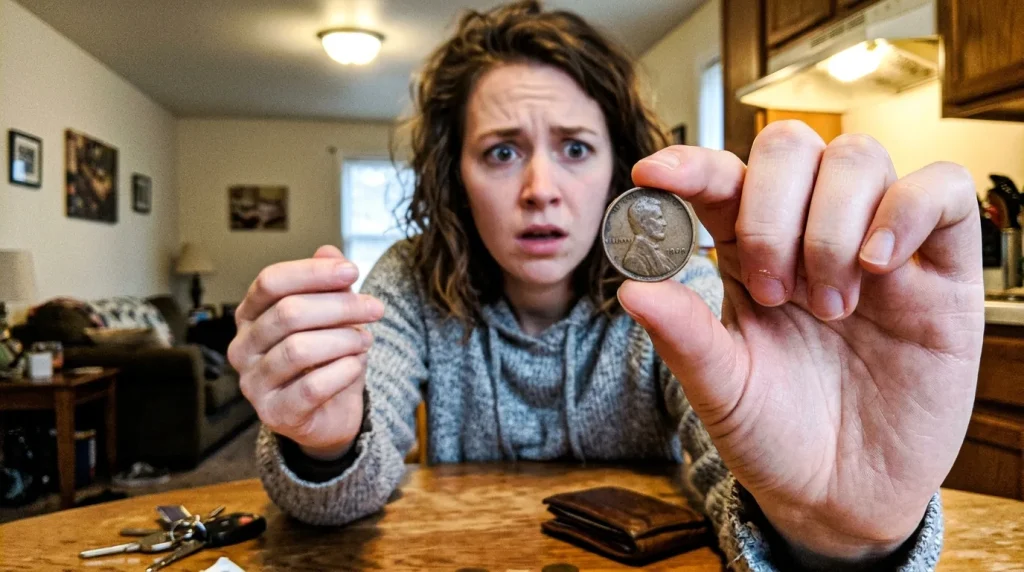

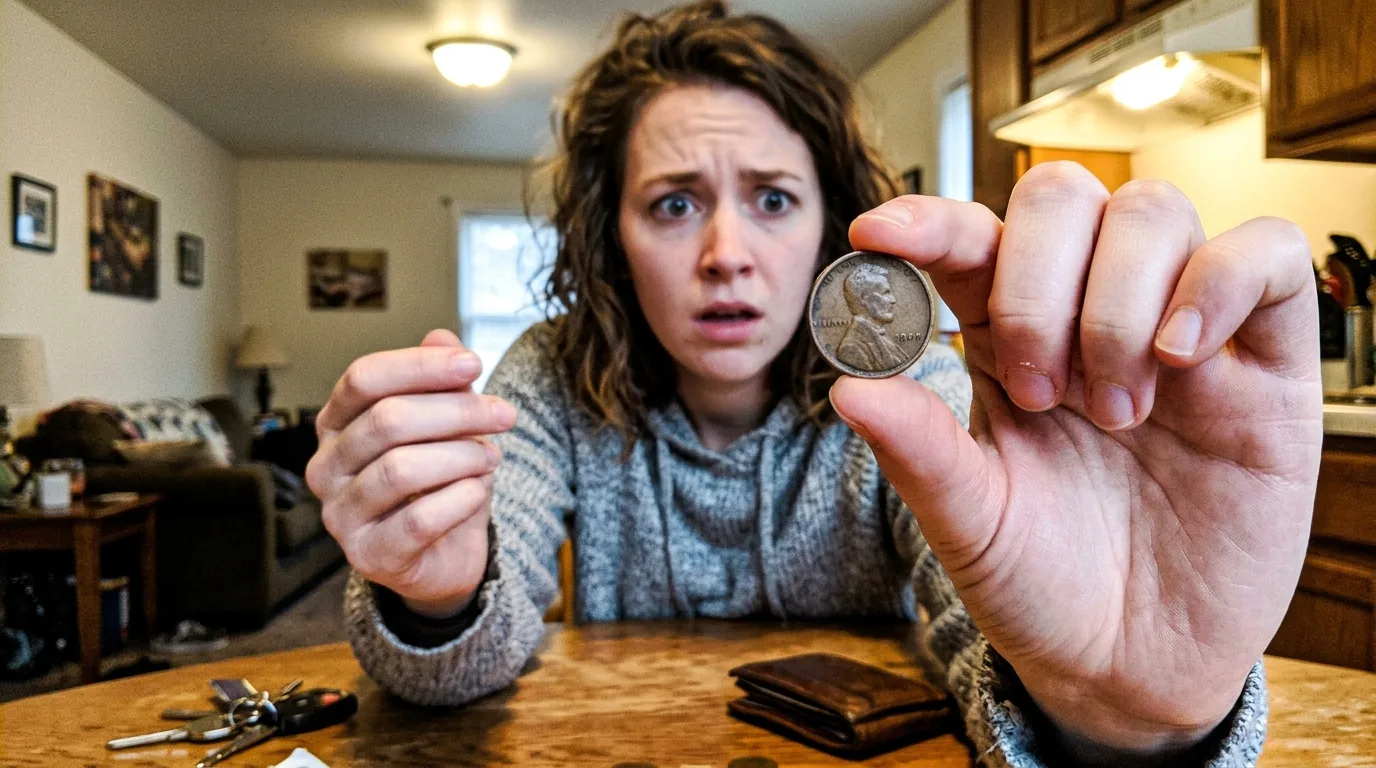
If you just found an old penny and want to know exactly how much is a american one cent with v.d.b. worth in used condition, you hold a fascinating piece of history.
The 1909 Lincoln Wheat Cent sparked massive controversy upon its release because of three tiny letters stamped on its back.
Most beginners assume a coin this old equals instant wealth, but the real market value heavily depends on tiny details. We analyzed recent auction data and discovered that a circulated version of this penny fetches anywhere from ten dollars to a small fortune.
However, you might accidentally sell a highly valuable coin for pennies if you miss one invisible marker. Do you know where to look before visiting a dealer?
What is a 1909 V.D.B. Lincoln Cent Worth in Used Condition?
In standard Used condition, a common 1909 V.D.B. penny currently sells for $10 to $20. When experts in Numismatics assess these coins, they look closely at the wear on Lincoln’s cheek and the wheat stalks on the reverse.
If your penny falls into the Good grade category, the design remains visible but shows heavy wear from decades of changing hands.
If you possess a rare 1909-S V.D.B. variant in a similar Good grade, that value skyrockets to between $700 and $1,000.
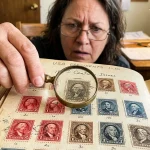
Just like collectors hunting for the value of a 1919 One Cent Stamp, penny hunters must realize that age alone does not guarantee a high price. You need to identify the exact mint origin to lock in its true market value.
Understanding Mint Marks: San Francisco vs. Philadelphia
The origin of your penny completely changes its financial worth. The United States government produced the 1909 V.D.B. penny at two specific locations.
Philadelphia Mint
The Philadelphia Mint struck nearly 28 million of these pennies. Because they produced so many, a coin with No mint mark remains relatively common today. If you see blank space beneath the date “1909” on the front of the coin, you hold the standard version.
San Francisco Mint
Conversely, the San Francisco Mint produced fewer than 500,000 copies before the Treasury Department ordered the removal of the designer’s initials. To see which version you own, look right beneath the date “1909” on the front of the coin. If you see a tiny S mint mark, you just hit the jackpot.
How to Grade a Circulated 1909 V.D.B. Penny
Grading a Circulated coin requires careful attention to the high points of the metal. In a Very Good grade, the coin shows considerable wear, but you can still read most of the lettering.
The wheat lines on the back will look flat but distinct. Professional graders also categorize the color of copper coins. A heavily used penny usually appears fully brown.
If your coin spent less time in pockets and retains some of its original copper shine, graders classify it as Red-Brown. This color designation increases the price significantly, even if it never reaches Uncirculated status.
Much like assessing the value of old used collectibles, minor condition differences create massive price swings.
How to Spot Fakes and Identify Victor David Brenner’s Initials
Because the San Francisco version carries such a high premium, counterfeiters constantly flood the market with fakes.
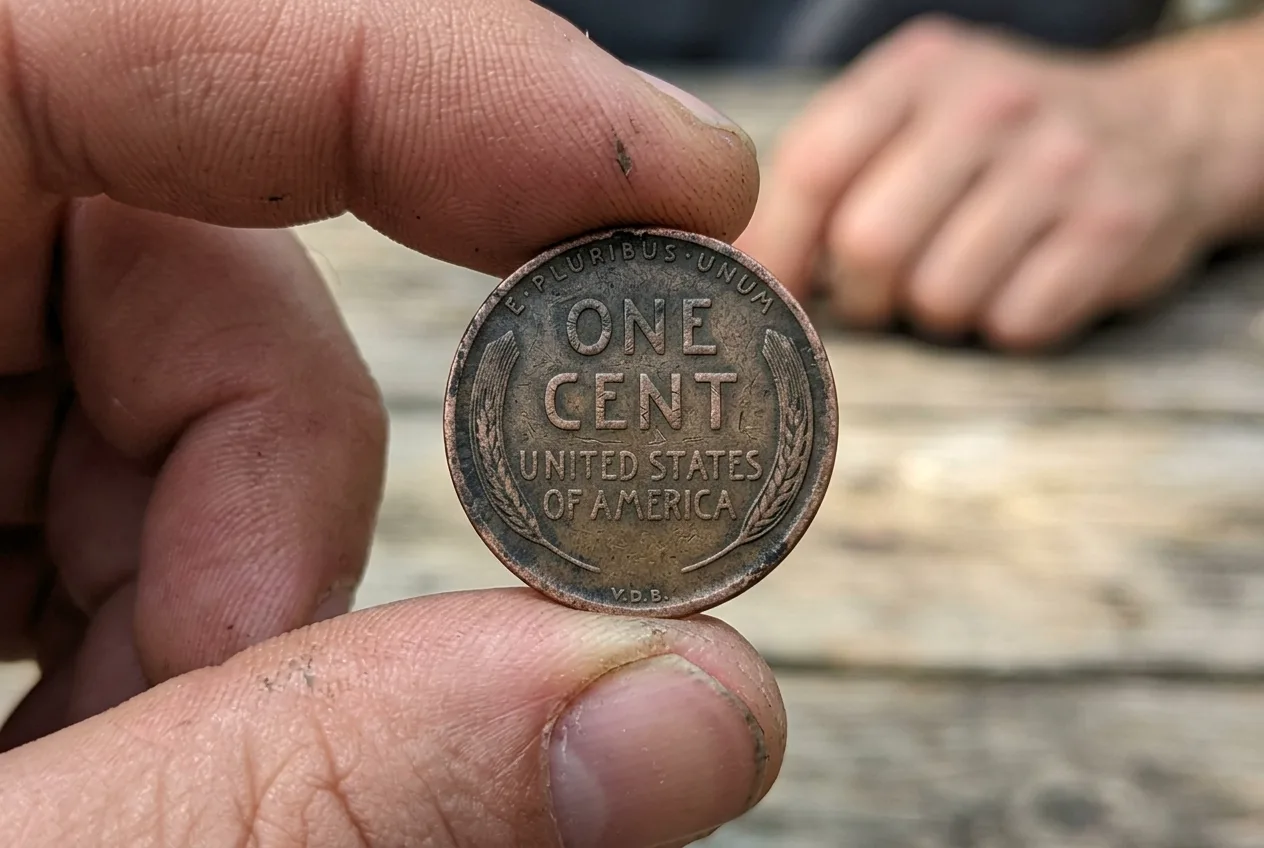
The original artist, Victor David Brenner, placed his Designer initials directly at the bottom center on the reverse side of the coin. Look between the two wheat stalks near the bottom rim to find the tiny “V.D.B.” stamped into the copper.
Scammers often take a genuine 1909 V.D.B. from Philadelphia and illegally glue a fake “S” onto the front. Other times, they take a standard 1909-S penny and carve the Victor David Brenner initials into the back.
Always check the mint mark under a strong magnifying glass. If the “S” looks crooked or discolored, you likely hold a counterfeit.
Where to Sell Your Used V.D.B. Cent for the Best Price
Never clean your penny before you try to sell it. Harsh chemicals strip away the natural patina and destroy up to 90% of the coin’s value instantly.
If you believe you have the rare San Francisco version, get it authenticated and encapsulated by reputable third-party grading services like PCGS or NGC. A certified slab guarantees authenticity and maximizes your final payout.
For common Philadelphia strikes, you can list them on eBay or visit a local coin dealer. Do your homework and check sold eBay listings to gauge the current demand.
Just as collectors research how much is a 1 cent stamp worth before accepting an offer, you must know your penny’s exact grade to prevent dealers from lowballing you.
Why Are Coin Roll Hunters on TikTok Obsessed With These Pennies?
A massive wave of new collectors recently discovered the thrill of coin roll hunting through viral TikTok videos. Enthusiasts go to their local banks, buy boxes of pennies at face value, and scour through thousands of coins looking for hidden treasures.
Finding a 1909 V.D.B. in a standard bank roll represents the ultimate achievement for these modern treasure hunters. These viral moments drove up demand for circulated copies.
New collectors want to own a piece of this history without paying premium auction prices for flawless specimens. This cultural shift means even heavily worn pennies fly off the shelves of coin shops faster than ever before.
1909 V.D.B. vs. 1909-S V.D.B. Value Differences
The price gap between the two varieties remains one of the largest in American coin collecting. A Philadelphia strike gives you a fun conversation piece worth enough to buy a nice lunch. The San Francisco strike represents a serious financial asset.
We constantly see Philadelphia versions selling for $15 in worn condition. Meanwhile, a verified San Francisco strike in the exact same worn condition routinely hammers for $800 at auction.
The math simply comes down to supply and demand. Millions exist of the former, while only a fraction survived of the latter. Check that spot under the date twice before you toss the coin into a storage jar.
Final Thoughts: Should You Hold or Sell Your V.D.B. Cent?
If you own the common Philadelphia version, keep it as a gateway into a fascinating hobby. It offers incredible historical value without tying up serious capital.
If you possess the rare San Francisco variant, get it professionally graded immediately to protect your investment. Read our answers to the most common questions below to finalize your next steps.
Frequently Asked Questions (FAQ)
Where are the V.D.B. initials on a 1909 penny?
The initials V.D.B. (for Victor David Brenner) sit on the reverse (back) side of the 1909 Lincoln Wheat Cent, centered at the very bottom edge below the wheat stalks. If you love discovering hidden design elements, you might also enjoy checking your Lincoln 4 cent stamp value.
What makes a 1909 VDB penny valuable in used condition?
Even in used, circulated condition, a 1909 V.D.B. penny holds value because of its historical significance as the first year of the Lincoln cent design, especially if it bears the rare “S” mint mark from San Francisco.
Is a 1909 penny without VDB worth anything?
Yes, but generally less than the V.D.B. version. The Philadelphia Mint produced far more pennies without the initials after they were controversially removed, making them more common in circulated condition.
How much is a 1909 VDB penny worth in Good grade?
In Good (used) condition, a standard 1909 V.D.B. from Philadelphia might be worth $10 to $20, while the rare 1909-S V.D.B. from San Francisco can fetch $700 to $1,000 even when heavily circulated.
Can you find a 1909 VDB penny in pocket change today?
While extremely rare, people still occasionally find 1909 V.D.B. cents in circulation through coin roll hunting, a trend recently popularized on platforms like TikTok.
Get our latest guides, news, and insights highlighted in your Google Search & AI Overviews.