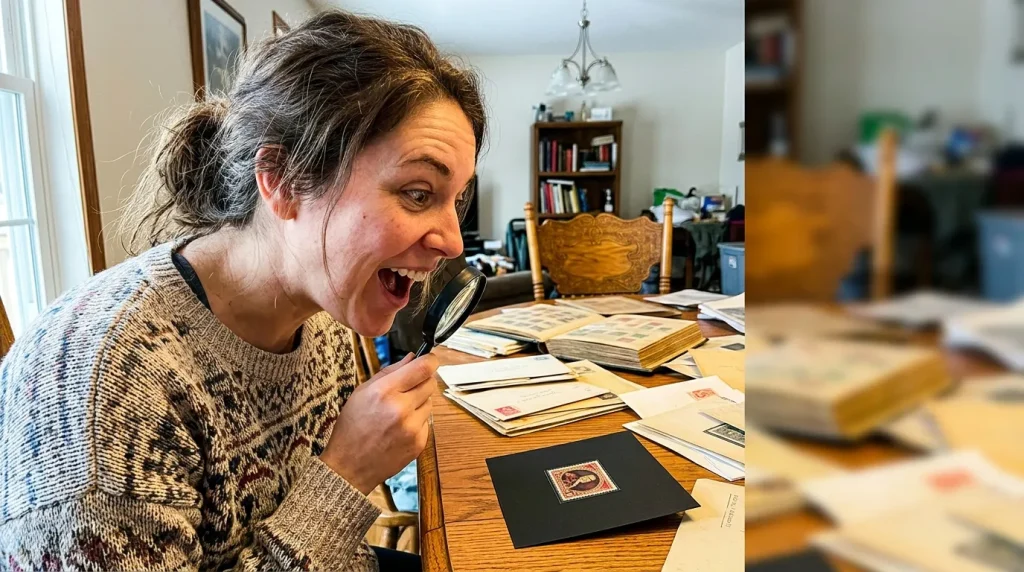

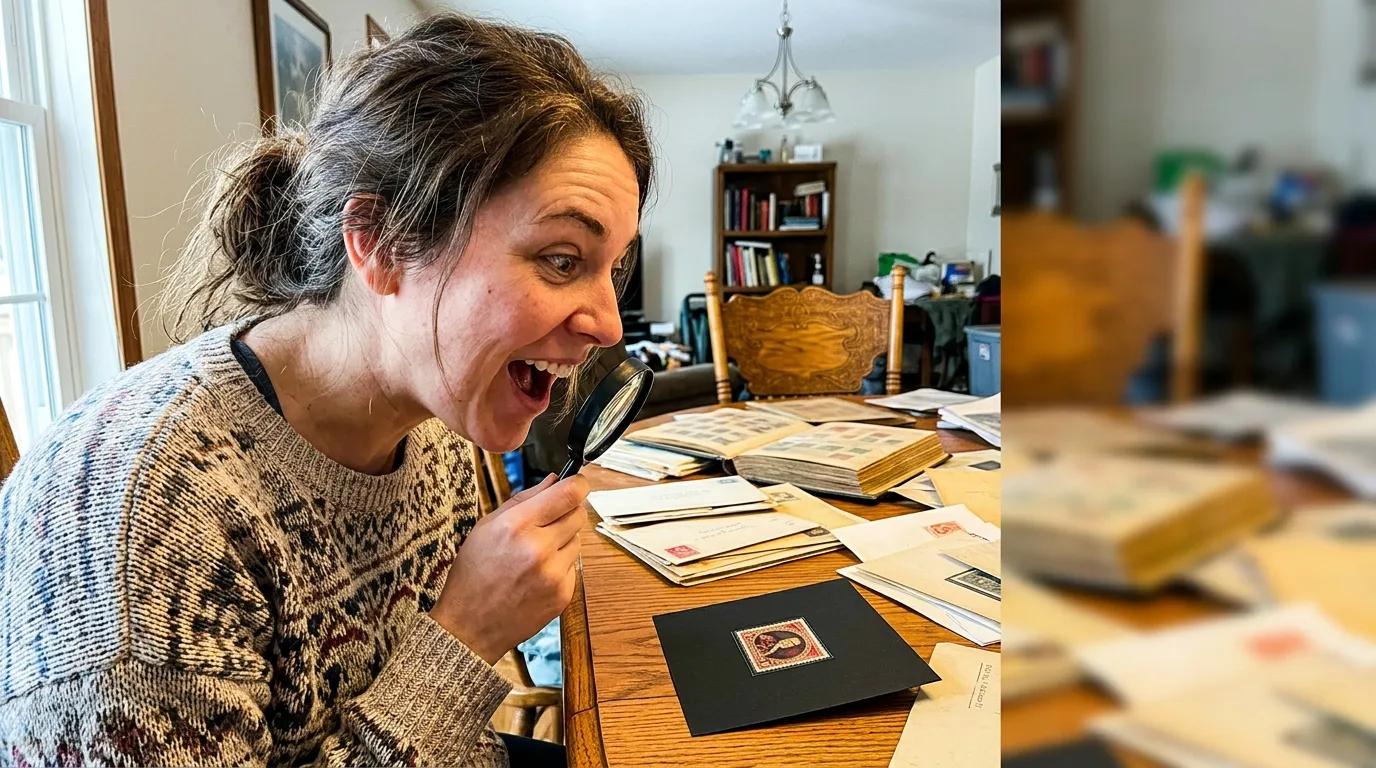
If you are wondering how to recognise rare valuable stamps in personal collection, the answer lies in three immediate visual indicators: condition, perforations, and specific printing anomalies.
Most inherited albums hold mass-produced common issues.
However, accurately assessing your postage stamps collection value can turn a dusty binder into a significant financial asset.
As we approach the Boston 2026 World Expo, the market for limited issues is heating up. You might assume the oldest, most battered stamps cost the most.
Yet, the reality operates entirely differently. In fact, one tiny detail on the back of a stamp—something most beginners completely ignore—dictates whether your find commands pennies or thousands of dollars.
If you are wondering how to recognise rare valuable stamps in personal collection, the answer lies in three immediate visual indicators: condition, perforations, and specific printing anomalies. Most inherited albums hold mass-produced common issues. However, accurately assessing your postage stamps collection value can turn a dusty binder into a significant financial asset.
Checking the Condition: Why MNH and Original Gum Matter
Condition dictates everything in philately. When appraisers evaluate a collection, they specifically look for Mint Never Hinged (MNH) status.
MNH means the stamp remains in the exact pristine state as the day the post office sold it, complete with its Original Gum on the back.
Many beginners flip through an album and see stamps stuck directly to the pages. If you remove them, you immediately find hinge marks. These small remnants of adhesive drastically reduce the financial worth.
Furthermore, you must meticulously inspect the centering. A perfectly centered design, with equal margins on all four sides, commands a massive premium over a stamp where the image physically touches the perforations.
| Condition Factor | Impact on Value |
|---|---|
| Mint Never Hinged (MNH) | Highest premium; pristine original gum. |
| Lightly Hinged | Moderate reduction; minor adhesive residue. |
| Poor Centering | Significant decrease; design touches perforations. |
Spotting Printing Errors and Inverted Designs
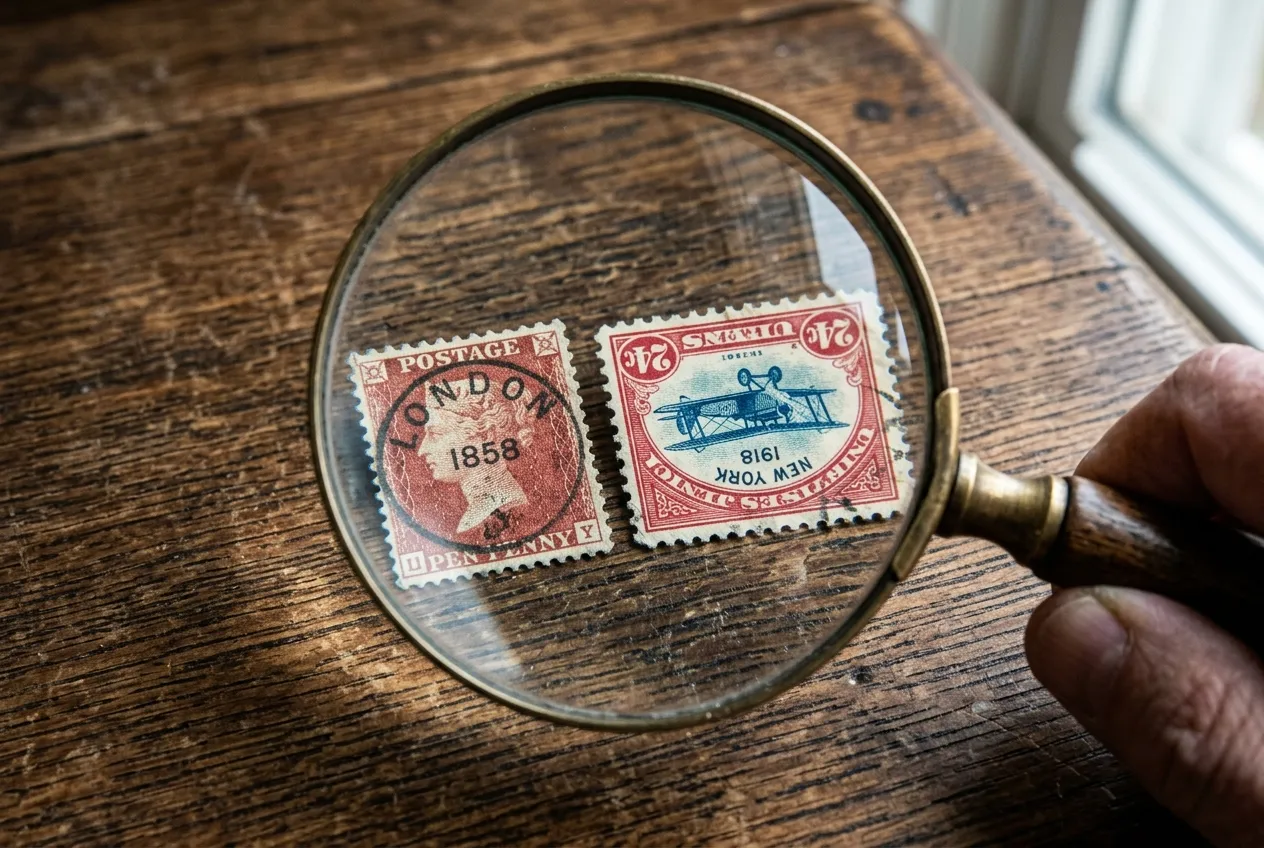
Sometimes, manufacturing mistakes at the printing press create the most sought-after treasures. Finding Errors and Varieties represents a thrilling aspect of the hobby.
You should deeply scan your collection for missing elements, color variations, or inverted designs. The famous Inverted Jenny remains the ultimate example of a printing error transforming a standard issue into a legendary asset.
If you suspect you have found an anomaly, you might be holding rare misprinted stamps.
Even subtle shifts in the ink layout multiply the worth. For instance, advanced collectors constantly hunt for the valuable 2-cent Washington stamp, which features rare carmine lake shades and distinct printing methods.
Essential Tools: From the Scott Catalogue to Stamp Identifier Apps
You cannot accurately evaluate an inherited collection using just your naked eyes. The Scott Catalog (often referred to as the Scott Catalogue) stands as the gold standard reference for identifying stamps in the United States.
Meanwhile, the Stanley Gibbons catalog dominates the British philatelic market. These massive books provide assigned identification numbers and baseline auction values.
Traditional Catalogs:
Provide detailed historical data and established auction values, but can be overwhelming for a beginner.
Modern Apps:
Use image recognition to scan physical stamps instantly, acting as a great first filter.
These smartphone applications use image recognition to scan your physical stamp and instantly pull up its historical data. They act as an excellent first filter to isolate potentially valuable pieces from standard envelope postage.
How to Use a Perforation Gauge and Watermark Fluid
Two stamps often look entirely identical on the front but carry drastically different values due to hidden manufacturing features.
You must use a perforation gauge to measure the number of Perforations (the small punched holes) along a standard two-centimeter edge.
A stamp measuring perf 10 might act as common filler, while the visually identical perf 11 version represents an extremely rare variant.
Additionally, you need to actively check for Watermarks. These sit as faint designs pressed directly into the paper during the initial manufacturing stage.
By placing the stamp face down in a black tray and applying a few drops of specialized watermark fluid, the hidden design reveals itself safely without damaging the delicate paper.
The Reality Check: Separating Filler from Rare Issues
We need to address a harsh mathematical truth. Government printers manufactured the vast majority of stamps in the 20th century in the hundreds of millions.
Consequently, most inherited collections consist almost entirely of common filler.
Your evaluation focus should remain squarely on finding specific anomalies, exceptional centering, and unhinged mint conditions.
When to Seek Professional Appraisal
If you have isolated specific stamps with high financial potential, you need expert validation immediately.
You should never attempt to sell high-value rarities without securing a formal certificate of authenticity from a recognized expertizing body.
Seek out professional dealers affiliated with the Philatelic Traders’ Society or other highly reputable organizations.
They possess the forensic microscopic tools to detect clever forgeries, regummed backs, and artificially altered perforations. An authentic certificate guarantees your stamp will fetch its true market value at a public auction.
Final Checklist Before Selling Your Collection
Before you approach a dealer or an auction house, systematically organize your findings.
Group the mass-produced stamps separately from the potential rarities you identified using the gauge and fluid.
Ensure you handle everything exclusively with stamp tongs to avoid transferring destructive skin oils onto the paper.
Once your high-value candidates sit safely secured in protective stockbooks, you are ready to explore the open market. We strongly recommend reading our detailed guide on selling your inherited collection to ensure you get the absolute best possible return on your investment.
Frequently Asked Questions
How can I tell if my stamps have printing errors?
To identify printing errors, look closely at the design using a magnifying glass. Check for inverted designs, missing colors, or misaligned elements. These rare misprinted stamps often hold significant value, so comparing them against known varieties is recommended.
What does MNH mean in stamp collecting?
MNH stands for Mint Never Hinged. It means the stamp is in its original pristine condition, exactly as it left the post office, with full original gum on the back and no hinge marks from previous album mounting. This condition commands premium prices.
How do stamp identifier apps work?
Stamp identifier apps use AI image recognition to analyze your smartphone photo against vast philatelic databases. They quickly identify the stamp’s origin, year, and estimated value, helping you quickly separate common filler from potentially valuable pieces in an inherited collection.
Why is centering important for stamp value?
Centering refers to how perfectly the printed design sits within the stamp’s margins. A stamp with perfect, even centering on all four sides is far more valuable than one where the design touches the perforations. It is a critical grading factor.
Do I need a perforation gauge?
Yes, a perforation gauge is essential. Many stamps look identical visually but were printed with different perforation measurements. These tiny differences can be the sole distinction between a common penny stamp and a rare valuable variation worth thousands.
Get our latest guides, news, and insights highlighted in your Google Search & AI Overviews.